Chilean Maidenhair Fern Care (Adiantum chilense)

Chilean Maidenhair Fern

About Chilean Maidenhair Fern

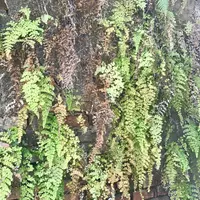
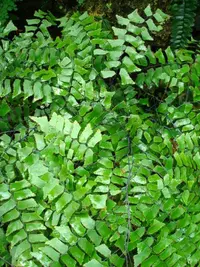
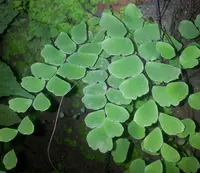
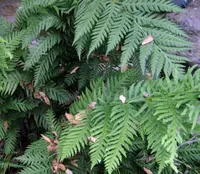
The Chilean maidenhair fern, Adiantum chilense, is a small to medium evergreen fern valued for its fine, airy foliage. Its fronds form a soft, layered clump with delicate leaf segments on dark, wiry stems.

In nature it occurs in Chile and nearby regions, often in cool, moist, shaded habitats such as rocky slopes and forested areas. It prefers stable moisture, good humidity, and protection from strong sun or drying winds.

Sensitive fronds and a need for consistent conditions can make it moderately challenging for beginners, especially in dry indoor air. Learning how to care for Chilean Maidenhair Fern focuses mainly on avoiding drought, harsh light, and sudden environmental changes.

Main Plant Requirements

Care Difficulty

Hard Care

Light Preference

Partial Shade

Water Requirements

Keep Soil Moist

Temperature Preference

Cool Climate

Hardiness Zone

8–10

Soil Texture

Loamy, Silty, Organic-rich

Soil pH

Acidic (5.5–6.5), Slightly acidic (6.5–7.0)

Soil Drainage

Moist but well-drained

Fertilization

Light (every 4–6 weeks)

Get Personalized Care Plan

Scan your plant to receive care tips personalized for your specific plant

Available on iOS and Android

How to Care for the Chilean Maidenhair Fern

This fern prefers soft, indirect light that mimics a shaded woodland edge.

  • Provide bright, filtered light or dappled shade, with 2–4 hours of gentle morning sun and no direct midday or harsh afternoon sun.
  • Site Chilean Maidenhair Fern under high tree canopy, on an east side, or behind sheer shading so fronds receive moving, broken light.
  • Watch fronds: pale, scorched, or crispy edges indicate too much sun; sparse, weak growth points to not enough light, especially in winter.

This fern requires consistently moist but not waterlogged soil.

  • Water whenever the top 1–2 cm of soil feels barely dry, aiming for evenly damp soil around the root zone without standing water.
  • Use rich, humus-based soil with good drainage; slopes, raised beds, or organic mulch help prevent soggy conditions for Adiantum chilense in rainy periods.
  • Crisping, browning frond tips suggest underwatering or repeated drying out, while yellowing, limp fronds and a sour smell indicate overwatering or poor drainage.

This species prefers mild, cool-temperate conditions without temperature extremes.

  • Aim for 55–72°F (13–22°C) for steady growth, with best vigor around 60–68°F (16–20°C) in shaded, sheltered sites.
  • Protect from frost; brief drops to about 28–30°F (-2– -1°C) may be survived, but repeated freezes damage fronds and crowns.
  • In hot seasons, shade and moisture are critical; above 80–86°F (27–30°C) the plant is prone to stress, frond scorch, and faster drying of soil.

This fern needs consistently high humidity to maintain healthy fronds.

  • Aim for 60–80% humidity; it declines quickly in centrally heated, dry rooms.
  • Crisping tips, browning edges, and rapid frond drop indicate low-humidity stress, not just underwatering.
  • Increase humidity with a nearby humidifier, grouping plants, and a wide pebble tray, rather than misting directly onto fronds.

Adiantum chilense prefers a loose, moist, humus-rich substrate that never becomes waterlogged.

  • Use a mix of 50% peat-free compost, 25% fine bark, and 25% perlite to create a fibrous, airy structure.
  • Ensure fast drainage, allowing water to pass through in seconds while the mix stays lightly moist, not soggy.
  • Target slightly acidic to neutral pH, around 5.8–7.0, which supports nutrient uptake and healthy root growth.
  • Avoid heavy garden soil, large sand fractions, or compacted mixes that restrict air around the fine roots.

This species is suitable for container growing when moisture and aeration are carefully balanced.

  • Choose a container wider than it is deep to accommodate its shallow, spreading rhizomes and even moisture distribution.
  • Select a material with moderate porosity, such as unglazed clay lined with plastic, to slow drying without staying wet for long periods.
  • Raise the pot slightly on feet or spacers so drainage holes never sit in runoff and oxygen can reach the root zone.

This fern benefits from light feeding during active growth but is sensitive to excess salts.

  • Use a balanced liquid fertilizer (around 10-10-10) diluted to 1/4–1/2 strength for Chilean Maidenhair Fern in spring and summer.
  • Apply every 4–6 weeks when growth is active, on already moist soil to avoid root burn.
  • Avoid slow-release pellets sitting on the root ball, which can concentrate salts near fine roots.
  • Stop feeding in fall and winter when growth slows, resuming only when new fronds appear.

Adiantum chilense needs light, periodic pruning mainly to maintain health and a tidy outline.

  • Best time is late winter to early spring, before strong new growth starts.
  • Use clean, sharp scissors to remove dead, yellowing, or damaged fronds at the base.
  • Thin a few crowded or tangled fronds to improve air flow and reduce fungal issues.
  • Targeted pruning keeps the fern compact, encourages fresh fronds, and maintains an even shape.

This fern dislikes frequent disturbance, so repot or transplant only when clearly rootbound or declining.

  • Check for roots circling the pot, pushing through drainage holes, or slowed growth as signs it needs more space.
  • Plan repotting or garden transplanting in early spring, with intervals of 2–3 years for container plants.
  • Move into a pot only 2–3 cm wider, using airy, moisture-retentive mix and handling the root ball gently.
  • Water thoroughly after moving, keep humidity high, and shade from strong sun for 1–2 weeks to reduce stress.

Adiantum chilense is usually propagated by careful division rather than by spores in home settings.

  • Divide mature clumps in early spring as new fronds emerge and temperatures stabilize.
  • Lift the plant, then gently separate the rhizomes into sections, each with several healthy fronds and roots.
  • Replant divisions into small, snug containers with fine, well-drained mix kept evenly moist.
  • Provide high humidity, bright indirect light, and stable warmth to support new root and frond growth.

This fern has limited frost tolerance and benefits from moderate winter protection in colder regions.

  • In mild climates, a light mulch layer around the root zone helps buffer soil temperature swings.
  • In colder areas, grow in containers so plants can be overwintered indoors at 55–65°F in bright, indirect light.
  • Indoors, keep soil slightly moist, avoid cold drafts, and reduce watering compared with summer levels.

Care Tips

Tray microclimate

Place the pot on a wide pebble tray with water kept below the pot base to create a stable, humid microclimate around the fronds without soaking the roots.

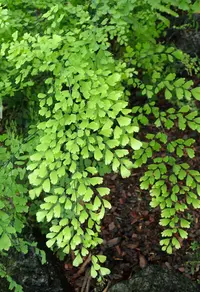
Frond edge grooming

Use small, sharp scissors to remove only browned leaflet tips in a shallow curve, which maintains an even outline and reduces the visual impact of minor stress without stripping healthy tissue.

Gentle division timing

If the clump becomes congested, divide it only in early spring and keep each division with several intact crowns, then cover the surface lightly with fine bark or leaf mold to reduce transplant shock.

Draft and vent control

Position the plant away from HVAC vents, frequently opened doors, and window drafts, as moving air quickly desiccates the fine leaflets even when room humidity seems adequate.

Quarantine and monitoring

Quarantine any new ferns for 2–3 weeks and inspect the delicate fronds from below for scale, aphids, or mites so that caring for Chilean Maidenhair Fern does not involve treating preventable infestations later.

Common Pests and Diseases

Scale insects

These insects attach tightly to the thin black stipes and frond bases, sucking sap and causing yellowing pinnae and weak growth. Symptoms include small brown or tan bumps that feel hard to the touch and may produce sticky honeydew.

Solution

Isolate the plant, then gently scrape or wipe the stipes and affected fronds with a cotton pad dipped in 70% isopropyl alcohol, repeating weekly until no new scale appears. Improve air movement around the fern and avoid excess nitrogen fertilizer, which encourages soft, pest-prone growth; for heavier infestations, use a neem oil or insecticidal soap spray targeted mainly at the stipes, not the delicate frond blades.

Fern aphids

These insects cluster on young unfurling fronds and undersides of pinnae, leading to distortion, pale foliage, and sticky honeydew that can encourage sooty mold. This pest thrives in humid, sheltered indoor or greenhouse conditions often used for Chilean Maidenhair Fern indoor care.

Solution

Rinse fronds gently with lukewarm water to dislodge aphids, supporting the fronds from beneath to avoid breakage, and repeat every few days as needed. If populations persist, apply a dilute insecticidal soap or neem oil solution to the undersides of fronds and growing tips, and reduce overcrowding to lower humidity pockets where aphids build up.

Rhizoctonia leaf blight

This disease causes irregular tan to brown lesions that may start where fronds stay wet, eventually leading to blighted patches and dieback of delicate pinnae. Symptoms include rapid collapse of affected leaf segments in warm, stagnant, high-humidity conditions.

Solution

Remove and discard blighted fronds promptly, disinfecting scissors between cuts, and reduce overhead watering so fronds dry quickly. Improve air circulation, space plants so fronds do not overlap heavily, and if needed apply a fern-safe fungicide labeled for Rhizoctonia, focusing on early outbreaks before they spread through the clump.

Pythium crown rot

This disease starts at the crown area where the fronds emerge, causing blackened, water-soaked tissue and sudden collapse of multiple fronds despite apparently moist soil. Symptoms include a sour smell from the root zone and fronds that detach easily at the base.

Solution

Discard severely affected plants, as recovery is rare once the crown is rotted, and never reuse the contaminated potting mix. For mild early cases, unpot the fern, trim away all soft dark tissue, repot in fresh, very well-drained fern mix, then water sparingly and keep the potting medium just evenly moist, not saturated, while improving drainage and avoiding standing water in saucers.

Spider mites

These pests may appear on plants kept in overly dry indoor air, causing fine speckling, dull fronds, and delicate webbing along the undersides of pinnae. This pest is especially damaging because the thin leaf tissue of Adiantum fronds dries out quickly under mite feeding.

Solution

Increase humidity around the plant, then rinse both sides of fronds gently with lukewarm water several times over 1–2 weeks to break the mite life cycle. If needed, apply a fine mist of insecticidal soap or horticultural oil to the undersides of fronds, and avoid placing the plant near heating vents or other very dry airflow sources that favor mites.

Interesting Facts

Chilean coastal specialist

This species is naturally restricted to central and southern Chile, where it grows on shaded, humid rock faces and forest banks close to the Pacific coast, often in areas influenced by oceanic fog.

Cold-tolerant maidenhair

Unlike many tropical maidenhair ferns, it tolerates cooler conditions and can experience light frosts in parts of its native range, which makes Adiantum chilense interesting to temperate-climate fern collectors.

Distinctive frond shape

Its fronds carry thick, fan-shaped pinnae with a more robust, leathery texture than many other maidenhair species, an adaptation that helps reduce water loss in exposed but moist rocky habitats.

FAQs about Chilean Maidenhair Fern

This species is a true fern and does not bloom or produce flowers. Instead, it reproduces by spores, which form in small clusters on the undersides of mature fronds when conditions are suitable.

Grow Healthy Plants with Botan Care

Keep your plants happy and healthy with plant identification, disease detection, and easy care guidance.

Botan plant care app — identify plants on mobile

Explore More Plants