Use Wide Shallow Pots
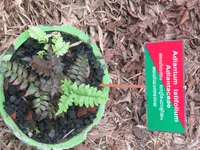
Select a wide, relatively shallow pot to allow the creeping rhizomes and new fronds to spread horizontally, and rotate the pot 1–2 times per month so growth stays even and does not lean toward one side.

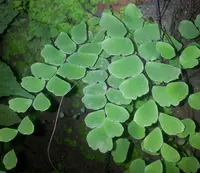
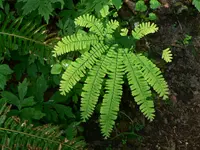
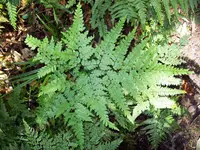
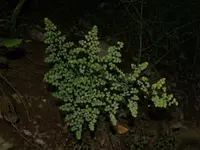
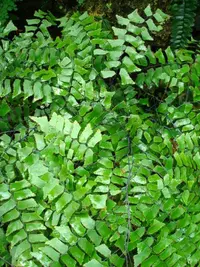
The walking maidenhair fern, Adiantum philippense, is a delicate, rhizomatous fern valued for its fine, fan-shaped leaf segments on wiry, dark stems. It forms low, spreading clumps that slowly creep, creating a soft, layered groundcover or lush accent in shaded containers.
This species is native to tropical and subtropical Asia, where it grows in humid forests, on moist rocks, and along stream banks. It prefers consistent moisture, high humidity, and sheltered, indirect light, which influences how to care for Walking Maidenhair Fern.
The plant can be moderately challenging for beginners because it reacts quickly to drought, dry air, or strong sun. With stable moisture and gentle conditions, it becomes a graceful, long-lived foliage plant indoors or in shaded outdoor settings.

Care Difficulty
Moderate Care

Light Preference
Partial Shade

Water Requirements
Keep Soil Moist

Temperature Preference
Tropical / Frost Sensitive

Hardiness Zone
10–12

Soil Texture
Loamy, Peaty, Organic-rich

Soil pH
Acidic (5.5–6.5), Slightly acidic (6.5–7.0)

Soil Drainage
Moist but well-drained

Fertilization
Light (every 4–6 weeks)
Scan your plant to receive care tips personalized for your specific plant
Available on iOS and Android
This fern prefers soft, filtered light that mimics a forest understory.
This species thrives in consistently moist, never soggy soil.
This fern prefers mild, stable temperatures with no extremes.
This fern needs consistently high humidity to keep fronds hydrated and delicate leaflets intact.
This fern prefers a loose, moisture-retentive but well-drained mix rich in organic matter.
This species is suitable for container growing when moisture and root space are carefully managed.
This fern benefits from light, consistent feeding but is sensitive to excess salts and strong fertilizers.
Pruning Adiantum philippense focuses on hygiene and maintaining a fresh, airy clump of fronds.
This fern prefers stable conditions and shallow, wide containers, so repot only when clear stress signs appear.
Adiantum philippense is most reliably propagated by careful division rather than from spores at home.
This tropical fern has low frost tolerance and needs mild, frost-free winter conditions, especially in containers.

Plant Health Check
Not sure what's wrong with your plant? Check your plant's health inside the app.
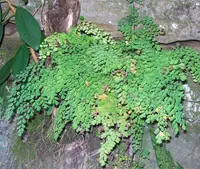
This fern spreads by producing creeping rhizomes that send up new fronds slightly away from the original clump, creating a slow, “walking” effect across moist rock or soil surfaces.
Its fronds are carried on thin, glossy, almost wire-like black stipes (fern stalks), which contrast strongly with the light green leaf segments and help distinguish it from many other maidenhair species.
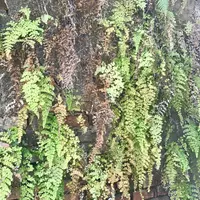
In the wild it often grows on shaded, constantly damp rocks, stream banks, and seepage walls in tropical Asia, showing a strong preference for high humidity and moving or dripping water rather than typical garden soil.

Historical herbals from parts of South and Southeast Asia describe this species as a traditional hair rinse and cosmetic plant, and it is still locally collected from wild populations for this cultural use in some regions.
Brown tips or fronds usually come from low humidity, underwatering, or dry air from heaters and vents. Direct sun and fertilizer burn also scorch tissue. Trim damaged fronds and adjust conditions to prevent further browning when caring for Walking Maidenhair Fern.
Keep your plants happy and healthy with plant identification, disease detection, and easy care guidance.