


Rock-Crevice Mounting
Tuck the root ball into a shallow crevice between rocks or into a slotted lava rock to mimic its natural lithophytic habit and keep the crown slightly elevated above any standing moisture.


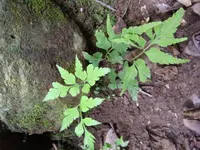
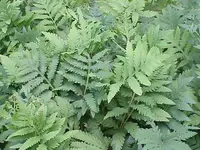
Dwarf spleenwort, Asplenium pumilum, is a small evergreen fern with fine, delicate fronds that form low, compact clumps. It often grows in rock crevices or on mossy banks in its native tropical and subtropical habitats.
This fern prefers consistently moist conditions, sheltered spots, and a stable environment, which can make it slightly more demanding than many common houseplants. Its slow, tidy growth suits terrariums, small containers, and shaded indoor displays. Understanding how to care for dwarf spleenwort starts with providing gentle light, steady moisture, and a loose, humus-rich growing medium.

Care Difficulty
Moderate Care

Light Preference
Partial Shade

Water Requirements
Keep Soil Moist

Temperature Preference
Tropical / Frost Sensitive

Hardiness Zone
10–11

Soil Texture
Loamy, Peaty, Organic-rich

Soil pH
Acidic (5.5–6.5)

Soil Drainage
Moist but well-drained

Fertilization
Minimal (feed rarely)
Scan your plant to receive care tips personalized for your specific plant
Available on iOS and Android
This small fern prefers soft, forest-like light rather than direct, harsh sun.
This fern likes evenly moist, not soggy, conditions that mimic a humid forest floor.
This species thrives in mild, stable temperatures without sudden extremes.
This small fern prefers consistently moist air and reacts quickly to dry conditions.
This fern needs a loose, moisture-retentive but free-draining mix similar to a woodland floor.
This species adapts well to container growing when moisture and root space are managed carefully.
This small fern benefits from light feeding but grows slowly and dislikes heavy fertilizer use.
Pruning Asplenium pumilum focuses on hygiene rather than shaping the plant.
This fern grows slowly and prefers minimal disturbance of its roots.
Asplenium pumilum is usually propagated by division, as spore propagation is slow and technical.
This fern is not strongly frost hardy and benefits from thoughtful winter care in colder climates.

Plant Health Check
Not sure what's wrong with your plant? Check your plant's health inside the app.
This species is one of the smallest spleenworts, forming very low, delicate rosettes on the ground rather than on rocks or tree trunks like many related species.
It occurs patchily from southern North America through parts of Central and South America, reflecting a preference for warm, humid microhabitats within a wide geographic range.
In the wild it typically grows in shaded, consistently moist but well-drained sites such as forest floors and stream-adjacent soils, relying on this stable humidity for successful spore germination and frond development.
Growth is naturally slow and compact. New fronds appear gradually through the growing season, often adding only a few centimeters per year. Healthy plants form small, dense clumps rather than putting on dramatic annual size increases.
Keep your plants happy and healthy with plant identification, disease detection, and easy care guidance.

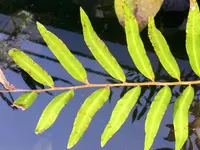
Mangrove Fern
Acrostichum speciosum
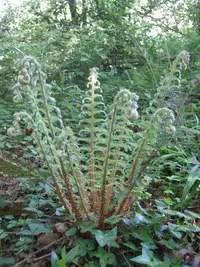
Soft Shield Fern
Polystichum setiferum
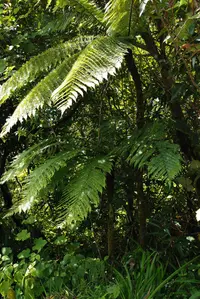
Alsophila borbonica
Alsophila borbonica
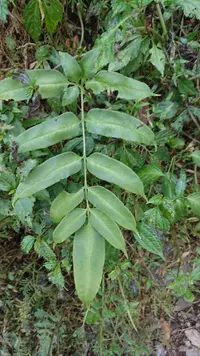
Intermediate bamboo fern
Coniogramme intermedia
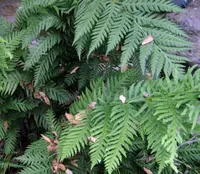
giant chainfern
Woodwardia fimbriata
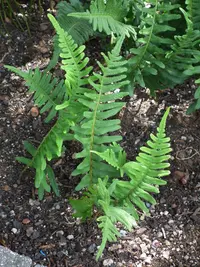
common polypody
Polypodium vulgare
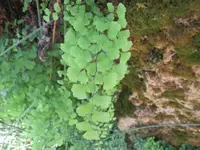
Black maidenhair fern
Adiantum capillus-veneris
sensitive fern
Onoclea sensibilis