tailed maidenhair Care (Adiantum caudatum)

Also known as: Trailing maidenhair fern
tailed maidenhair

About tailed maidenhair

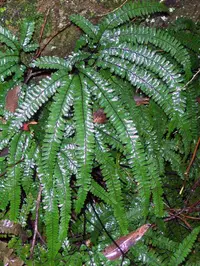
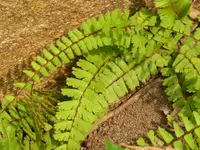
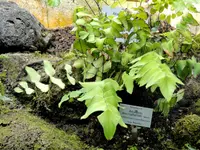
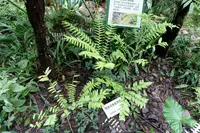
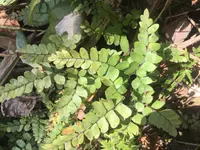
Tailed maidenhair, Adiantum caudatum, is a delicate evergreen fern valued for its fine, fan-shaped leaf segments and gracefully trailing fronds. It forms soft, arching clumps that can spill over pot edges or hang from containers.

This species is native to tropical and subtropical regions of Asia, where it grows in shaded, humid forest environments and on moist rock faces. Its thin fronds and fine roots make it sensitive to drying out and to very low humidity, so it is less forgiving than many common houseplants.

Successful care for tailed maidenhair relies on consistent moisture, gentle indirect light, and an airy, humus-rich substrate that stays lightly damp but never waterlogged.

Main Plant Requirements

Care Difficulty

Hard Care

Light Preference

Partial Shade

Water Requirements

Keep Soil Moist

Temperature Preference

Tropical / Frost Sensitive

Hardiness Zone

10–11

Soil Texture

Loamy, Peaty, Organic-rich

Soil pH

Acidic (5.5–6.5)

Soil Drainage

Moist but well-drained

Fertilization

Light (every 4–6 weeks)

Get Personalized Care Plan

Scan your plant to receive care tips personalized for your specific plant

Available on iOS and Android

How to Care for the tailed maidenhair

This fern prefers soft, indirect light that mimics a shaded forest floor.

  • Provide 4–6 hours of bright, filtered light each day, such as near an east window or under light shade outdoors, to support steady frond growth.
  • Allow only gentle morning sun; shield tailed maidenhair from harsh midday or afternoon sun, which can scorch frond edges and cause pale, dry patches.
  • In darker seasons or shaded gardens, move the plant slightly closer to light sources, but avoid full sun exposure even in winter.

This species needs evenly moist, never soggy, soil around its shallow roots.

  • Water when the top 1–2 cm of soil feels just barely dry, then moisten thoroughly so all roots are damp but not standing in water.
  • Use loose, well-draining soil rich in organic matter so excess water can exit quickly, reducing the risk of root rot and sour, stagnant smells.
  • In cooler months, let the surface dry a little more between waterings; watch for crisping fronds as a sign of underwatering and blackened bases as a sign of overwatering in Adiantum caudatum.

This fern grows best in stable, mild temperatures without sudden swings.

  • Aim for 65–80°F (18–27°C) for active growth, which matches the warm, humid understory conditions this species experiences in nature.
  • Protect the plant from temperatures below 50°F (10°C); light chills can stunt growth, and any frost can severely damage or kill the fronds.
  • In hot spells above 86°F (30°C), increase shade and humidity and avoid hot drafts from walls or pavement, as excess heat can cause frond wilt and browning.

This fern needs consistently high humidity to keep fronds delicate and hydrated.

  • Aim for 60–80% humidity, as tailed maidenhair reacts quickly to air that is too dry.
  • Crisping tips, pale fronds, and rapid shedding indicate humidity stress rather than underwatering.
  • Increase humidity with a nearby humidifier, grouped plants, and a deep pebble tray kept with water below (not touching) the pot base.

This species prefers a loose, moist, organic-rich medium that never becomes waterlogged.

  • Use a fine-textured mix of 50–60% peat or coco coir, 20–30% compost, and 20–30% perlite or fine bark for structure and drainage.
  • Ensure drainage is free but not rapid so the root zone stays evenly moist without standing water.
  • Aim for slightly acidic conditions around pH 5.5–6.5, which match typical woodland leaf-litter soils for Adiantum caudatum.
  • Avoid dense garden soil, coarse sand-heavy mixes, and any medium that dries out to a hard, compacted mass.

This fern grows well in containers when moisture and stability are carefully managed.

  • Choose a wide, shallow pot that matches the shallow, fibrous root system and helps the surface medium stay evenly moist.
  • Select plastic or glazed ceramic rather than unglazed terracotta if faster moisture loss is a recurring problem.
  • Place the pot in a cachepot or on a stable tray so spreading fronds are protected from bumping and mechanical damage.

Adiantum caudatum benefits from light, consistent feeding but is sensitive to excess salts.

  • Use a balanced liquid fertilizer (such as 10-10-10) diluted to 1/4–1/2 strength for tailed maidenhair.
  • Apply every 4–6 weeks during spring and summer on already moist soil to avoid root burn.
  • Stop or reduce feeding to once during the season in fall and winter when growth slows.
  • Organic options like diluted fish emulsion or compost tea are suitable if kept weak and infrequent.

Pruning Adiantum caudatum focuses on removing old fronds to keep the clump fresh and healthy.

  • Carry out light pruning year-round, with a main cleanup in late winter or early spring before new growth flushes.
  • Snip dead, yellowing, or damaged fronds at the base using clean, sharp scissors or small pruners.
  • Thin out crowded inner fronds to improve air movement and reduce fungal problems.
  • Targeted pruning maintains an attractive arching shape and encourages production of new, vigorous fronds.

This fern prefers stable conditions, so repotting should be thoughtful rather than frequent.

  • Check for roots circling the pot, emerging from drainage holes, or noticeably slower growth as cues to repot Adiantum caudatum.
  • Plan repotting in spring, every 2–3 years, stepping up only 1 pot size to avoid soggy soil.
  • Gently loosen the root ball, trim broken roots, and set into a well-draining, peat- or coir-rich mix kept evenly moist.
  • Reduce stress by watering thoroughly after repotting, shading from strong sun, and maintaining high humidity for 1–2 weeks.

Multiplying this fern is most reliable through careful division of established clumps.

  • Divide Adiantum caudatum in early spring when new fronds start to emerge and the plant is actively growing.
  • Lift the root ball, then split into sections, each with healthy rhizomes and several fronds attached.
  • Plant divisions into small pots with a fine, moisture-retentive, well-draining mix, then water gently.
  • Maintain high humidity, bright indirect light, and consistently moist soil until strong new growth appears.

This fern is frost-tender and needs sheltered conditions in regions with cold winters.

  • Move container plants indoors before temperatures drop below 50°F, placing them in bright, indirect light.
  • Keep indoor temperatures around 60–75°F and maintain higher humidity with trays of water or a humidifier.
  • For mild climates, mulch lightly around outdoor root zones to buffer short cool spells without waterlogging.

Care Tips

Frond tip protection

Place the pot where the delicate frond tips will not be brushed by people, pets, or curtains, since repeated mechanical damage quickly deforms new growth and causes brown, hooked ends.

Use wick watering

For more stable moisture, set the pot above a reservoir and run a cotton wick through the drainage hole so the mix absorbs water gradually from below, which reduces the risk of sudden drying that this species dislikes.

Gentle repot handling

When repotting, keep the rootball as intact as possible, slide it out rather than pulling by the fronds, and water with room‑temperature, low‑lime water afterward to limit transplant shock.

Shower dust removal

Rinse the foliage under a lukewarm, gentle shower for 20–30 seconds every 4–6 weeks to remove dust and improve gas exchange without wiping the fragile leaflets.

Monitor new flushes

Check emerging fiddleheads every few days for scale or aphids and remove any pests with a cotton swab and insecticidal soap early, since tight new fronds hide insects easily when caring for tailed maidenhair.

Common Pests and Diseases

Scale insects

This pest forms small, immobile bumps on fronds and stems and feeds on plant sap, often causing yellowing and decline of the delicate leaflets.

Solution

Isolate the plant, then gently scrape or wipe off visible scale with a cotton swab dipped in isopropyl alcohol, followed by a thorough lukewarm water rinse; maintain higher humidity and avoid harsh systemic chemicals, instead using repeated applications of a light horticultural soap safe for ferns if needed.

Fern aphids

These insects cluster on soft new fronds and undersides of leaflets, sucking sap and causing distortion and weak, pale growth.

Solution

Shower the plant with a gentle, lukewarm water spray to dislodge colonies, then use a mild, fern-safe insecticidal soap on affected areas and monitor new growth weekly, repeating treatments and improving air movement without direct drafts.

Rhizoctonia leaf blight

This disease causes irregular brown or black lesions on fronds that may spread rapidly in warm, humid, crowded conditions, leading to dieback of frond sections.

Solution

Remove and discard affected fronds, improve spacing and air circulation around the plant, water the soil surface only in the morning, and if spread continues, use a fungicide labeled for ornamental ferns, following tailed maidenhair care instructions carefully to avoid chemical burn on tender fronds.

Botrytis gray mold

This disease appears as soft, water-soaked spots on fronds that develop a gray, fuzzy mold, particularly in cool, stagnant, humid air.

Solution

Cut off all visibly infected tissue, reduce overhead misting, increase airflow around the plant, and keep fronds dry while watering the substrate; in persistent cases, apply a suitable ornamental fungicide and remove any fallen fronds from the soil surface promptly.

Spider mites

This pest thrives in dry indoor air, causing fine stippling, dull fronds, and sometimes fine webbing between leaf segments.

Solution

Raise humidity around the plant, rinse fronds thoroughly under a gentle shower, and repeat every few days; in more severe cases, use a mild insecticidal soap or neem-based spray labeled safe for ferns, ensuring complete coverage of frond undersides while avoiding strong sun after treatment.

Interesting Facts

Drip-tip leaf shape

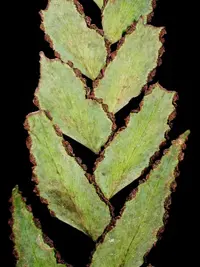
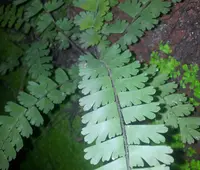
The pinnae of this fern have elongated, tapering tips that help shed water quickly, an adaptation that reduces fungal growth on the fronds in its naturally humid habitats.

Hanging, rooting fronds

Its long, arching fronds can root where they touch moist substrate, allowing the plant to spread over rock faces and hanging banks rather than forming only a single dense clump.

Preference for limestone

In the wild, this species is frequently found on calcareous rocks and walls, indicating a tolerance for slightly alkaline conditions compared with many other maidenhair ferns that prefer more acidic substrates.
Botan icon

Did you know?

In parts of its native range in South and Southeast Asia, this fern often colonizes old masonry, such as shaded brick walls and stone structures, where tiny mortar cracks provide just enough lime-rich, moist substrate for stable long-term growth.

FAQs about tailed maidenhair

Brown leaf tips or fronds usually indicate low humidity, inconsistent moisture, or exposure to dry, moving air. Increase ambient humidity, keep the soil lightly moist but not saturated, and move the plant away from heaters or strong drafts.

Grow Healthy Plants with Botan Care

Keep your plants happy and healthy with plant identification, disease detection, and easy care guidance.

Botan plant care app — identify plants on mobile

Explore More Plants