Angiopteris lygodiifolia Care

Angiopteris lygodiifolia

About Angiopteris lygodiifolia

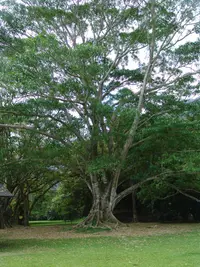
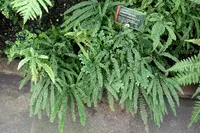
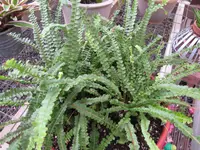
Angiopteris lygodiifolia is a large, ancient fern with huge, arching fronds that emerge from a stout, often partially underground rhizome. It forms a striking, tropical-looking clump rather than a climbing or vining habit.

This species is native to humid, shaded forests in parts of East Asia, where it grows in consistently moist, organic-rich soil. Its size, need for high humidity, and dislike of drying out make it more challenging than common house ferns, especially indoors.

Gardeners who want to care for Angiopteris lygodiifolia should be prepared to provide stable moisture, shelter from direct sun, and ample space for its expanding fronds.

Main Plant Requirements

Care Difficulty

Hard Care

Light Preference

Partial Shade

Water Requirements

Keep Soil Moist

Temperature Preference

Tropical / Frost Sensitive

Hardiness Zone

10–11

Soil Texture

Loamy, Peaty, Organic-rich

Soil pH

Acidic (5.5–6.5)

Soil Drainage

Moist but well-drained

Fertilization

Light (every 4–6 weeks)

Get Personalized Care Plan

Scan your plant to receive care tips personalized for your specific plant

Available on iOS and Android

How to Care for the Angiopteris lygodiifolia

This large terrestrial fern thrives in bright, indirect forest-like light with consistent shade from harsh sun.

  • Provide dappled or filtered light for 6–8 hours daily, such as under high tree canopy or shade cloth that blocks direct midday sun.
  • Tolerate only gentle early-morning sun; avoid direct sun from 10 a.m. to 4 p.m. to prevent leaflet scorch and frond bleaching.
  • In temperate climates, site Angiopteris lygodiifolia in deeper shade in summer and slightly brighter, still indirect, light in winter when sun is weaker.

This moisture-loving fern needs constantly damp but not waterlogged soil to support its large fronds.

  • Irrigate whenever the top 2–3 cm of soil feels just barely moist, not dry, focusing on maintaining even moisture around the shallow root zone.
  • Use deep, slowly applied watering so water reaches 15–20 cm, and ensure soil drains freely to prevent standing water and rhizome rot.
  • Reduce watering volume slightly in cooler months while still preventing the soil from drying out; crisping frond edges indicate underwatering, while yellowing and limp fronds suggest excess water.

This species prefers warm, stable, frost-free conditions similar to a humid subtropical forest floor.

  • Aim for 65–80°F (18–27°C) for active growth, as cooler conditions slow development and can stress new fronds.
  • Protect the plant from temperatures below 50°F (10°C); light frost damages fronds, and hard freezes can kill the crown and roots.
  • In hot periods above 85°F (29°C), provide extra shade, airflow, and moisture to prevent heat stress, and avoid planting near reflective walls or paving that increase leaf temperature.

This fern needs very high, consistently moist air to maintain healthy fronds.

  • Aim for 70–90% humidity using a humidifier or enclosed growing space such as a roomy terrarium or greenhouse bench.
  • In dry indoor air, frond edges brown, new fronds distort, and growth slows as Angiopteris lygodiifolia desiccates.
  • Increase humidity by grouping large moisture-loving plants, using wide pebble trays under pots, and reducing direct airflow from vents or fans.

This species needs deep, moisture-retentive but airy soil that mimics a rich, constantly damp forest floor.

  • Use a loose, organic-rich mix such as 2 parts peat or coco coir, 1 part compost, and 1 part fine bark with a small portion of perlite for aeration.
  • Soil should hold water evenly without turning soupy; excess water must drain freely from the bottom of the container or bed.
  • Target slightly acidic to neutral conditions around pH 5.5–7.0, avoiding strongly alkaline substrates that can limit nutrient uptake.
  • Avoid compacted clay, heavy mineral soils, or gritty cactus-style mixes; incorporate leaf mold or fine bark to improve structure and air spaces around the thick roots.

This fern can be grown in containers but needs large, very stable pots to support its eventual size.

  • Choose a deep, wide, low-profile container that resists tipping as the fronds become long and heavy.
  • Select a heavy material such as ceramic or thick terracotta to anchor the plant and moderate moisture swings.
  • Elevate the pot slightly on feet or blocks so drainage holes stay clear and water flows away instead of pooling under the base.

This fern benefits from light, steady feeding when actively growing but is sensitive to excess salts.

  • Use a balanced liquid fertilizer (around 10-10-10) at 1/4–1/2 strength for Angiopteris lygodiifolia during spring–summer.
  • Apply every 4–6 weeks in moist soil, never on dry roots, to avoid burn.
  • Supplement with a thin layer of mature compost once per year to support soil structure.
  • Stop feeding in fall–winter, when growth slows, to prevent weak, soft tissue.

Pruning mainly focuses on hygiene and space management rather than reshaping this fern.

  • In late winter or early spring, remove dead, yellowing, or damaged fronds at the base with clean, sharp pruners.
  • Cut away crowded or crossing fronds only where they restrict airflow or access, as heavy cutting stresses Angiopteris lygodiifolia.
  • Disinfect tools before and after use to limit disease spread in the fleshy crown.
  • Avoid cutting into living crown tissue; focus on individual fronds to maintain natural form.

Transplanting this large terrestrial fern must be planned carefully to avoid crown and root damage.

  • Look for roots circling the pot, distorted containers, or slowed growth as signals to move Angiopteris lygodiifolia.
  • Transplant in late spring, when soil is warm and new growth begins, about every 3–4 years if container-grown.
  • Lift the plant with a wide soil ball, keeping the crown at the same depth to minimize transplant shock.
  • Water thoroughly, then shade and keep evenly moist for several weeks to support root recovery.

Propagation of this species is specialized and usually left to experienced growers or nurseries.

This fern is frost-sensitive and needs protection in regions with cold winters.

  • In ground, add 5–10 cm of loose mulch around the root zone, keeping material off the crown.
  • For containers, move plants indoors to a bright, frost-free space kept above 55°F.
  • Maintain lightly moist, not waterlogged, soil during winter rest to avoid root rot.

Care Tips

Stabilize heavy fronds

As fronds elongate and gain weight, insert sturdy, discreet stakes or a low wire hoop in the pot to keep the crown stable and prevent the petiole bases from loosening or snapping at the rhizome.


Deep container choice

Use an extra-deep, heavy container to accommodate the vigorous root system and high water demand, which reduces tipping risk and helps maintain even moisture around the crown.

Crown protection

Keep the central crown just above the final soil level and brush away accumulating debris so emerging croziers are not trapped or rotted under compacted organic matter.

Gradual airflow acclimation

Introduce gentle airflow from a fan at low speed and distance over several weeks to strengthen fronds without causing desiccation or mechanical damage.

Monitor frond load

Periodically thin out the oldest, outermost fronds at the base when the plant becomes crowded, which reduces leverage on the crown and supports long-term structural health when growing Angiopteris lygodiifolia.

Common Pests and Diseases

Scale insects

This pest attaches to the thick frond stalks and undersides of pinnae, sucking sap and causing yellowing and reduced vigor in this moisture-loving fern. Symptoms include sticky honeydew and sooty mold developing on older fronds in very humid, sheltered plantings.

Solution

Physically remove clustered scales with a soft cloth or cotton swab dipped in diluted alcohol, then rinse fronds thoroughly with water. For persistent infestations, use a light horticultural oil or insecticidal soap directed to stems and leaflet undersides, repeating every 7–10 days while improving air movement and avoiding overhead watering late in the day.

Fern aphids

These insects gather along tender emerging fronds and rachises, deforming new growth and weakening the plant by feeding on sap. Symptoms include curled or stunted young fronds and shiny honeydew deposits that can attract ants.

Solution

Wash colonies off with a firm stream of water, focusing on coiled or still-unfurling fronds, and remove heavily distorted growth. If needed, apply insecticidal soap in the cool part of the day and encourage natural predators such as lady beetles by avoiding broad-spectrum insecticides near the planting area.

Rhizoctonia crown blight

This disease affects the massive, fleshy crown and lower frond bases, especially in constantly wet, poorly aerated soil. Symptoms include brown, sunken lesions at the crown, a foul odor, and sudden collapse of outer fronds while inner fronds remain weak or fail to unfurl properly.

Solution

Cut away and discard all affected crown tissue and dead fronds, then improve drainage by loosening soil and reducing watering frequency while the surface remains moist but not saturated. In landscape or collection settings with repeated problems, consider a labeled fungicide drench targeting Rhizoctonia and maintain a thick but well-aerated mulch layer that does not touch the crown directly.

Pythium seedling damping-off

This disease attacks very young sporophytes and nursery-raised plants of this fern when grown in consistently waterlogged media. Symptoms include blackened, water-soaked bases, seedlings toppling over, and rapid loss of trays under warm, stagnant conditions.

Solution

Discard affected batches, disinfect trays and tools, and restart with a sterile, free-draining substrate kept evenly moist rather than saturated. Use bottom watering or fine misting, provide strong but indirect light and good air circulation, and consider a preventive Pythium-targeted fungicide drench in high-value collections following product guidelines.

Snails and slugs

These pests favor the thick, fleshy fronds and rachises of Angiopteris, chewing irregular holes and sometimes stripping soft new growth overnight. Symptoms include ragged edges on fronds, slime trails on soil and petioles, and damage concentrated in shaded, very humid sites typical of growing Angiopteris lygodiifolia outdoors or in shade structures.

Solution

Hand-pick snails and slugs at dusk or dawn, use copper barriers or rough mulches around the crown, and remove nearby hiding places such as dense ground litter and boards. Where damage remains high, place iron phosphate slug baits around but not touching the crown, following label rates and keeping products away from children and pets.

Interesting Facts

Ancient-looking frond structure

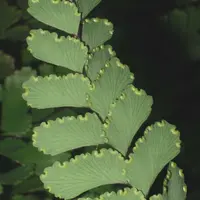
This species has fronds with a finely divided, lygodium-like appearance, which is unusual among Angiopteris and gave rise to its species name lygodiifolia, meaning with leaves like Lygodium.

Limited native distribution

It is naturally restricted to specific humid forest habitats in parts of East Asia, where it grows in shaded, consistently moist sites close to streams and ravines.

Preference for deep substrates

In nature it often anchors in deep, organic-rich soils that stay damp but not waterlogged, supporting its large frond production and robust rhizome system.

FAQs about Angiopteris lygodiifolia

Growth is moderately fast when conditions are consistently warm, shaded, and humid. New fronds can extend noticeably within a single growing season, but the overall clump takes several years to develop a substantial, architectural presence.

Grow Healthy Plants with Botan Care

Keep your plants happy and healthy with plant identification, disease detection, and easy care guidance.

Botan plant care app — identify plants on mobile

Explore More Plants