Mountain pawpaw Care (Vasconcellea pubescens)

Mountain pawpaw

About Mountain pawpaw

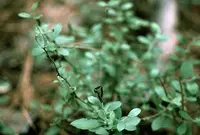
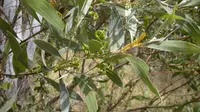
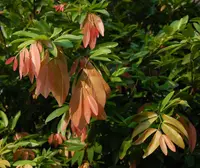
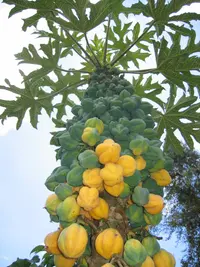
Mountain pawpaw (Vasconcellea pubescens) is a small, semi-woody fruit tree closely related to papaya. It typically has an upright, sparsely branched habit with large, lobed leaves near the top of the stems.

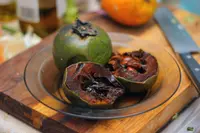
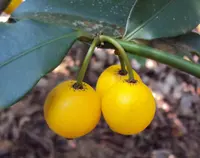
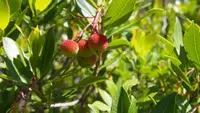
This species is native to cool, highland regions of the Andes, where it grows in mild, frost-free climates. Its yellow to orange, elongated fruits are valued for their aromatic, mildly sweet flesh.

The plant grows relatively fast but can be sensitive to frost, strong winds, and poorly drained soil, which makes it moderately challenging in unsuitable climates. Understanding how to care for Mountain pawpaw starts with providing bright light, protection from cold, and evenly moist, well-drained soil.

For home growers, it is most successful in sheltered outdoor sites or large containers in mild coastal and subtropical regions.

Main Plant Requirements

Care Difficulty

Moderate Care

Light Preference

Full Sun

Water Requirements

Moderate Water

Temperature Preference

Warm Climate

Hardiness Zone

9–11

Soil Texture

Sandy, Loamy, Organic-rich

Soil pH

Acidic (5.5–6.5), Slightly acidic (6.5–7.0)

Soil Drainage

Well-drained

Fertilization

Moderate (every 2–4 weeks)

Get Personalized Care Plan

Scan your plant to receive care tips personalized for your specific plant

Available on iOS and Android

How to Care for the Mountain pawpaw

This subtropical fruit tree needs bright, direct light to produce strong growth and fruit.

  • Provide 6–8 hours of sun daily, ideally with full morning sun and light afternoon shade in hotter regions.
  • Tolerates light partial shade, but Mountain pawpaw will grow taller and fruit less if it receives under 4–5 hours of direct sun.
  • In summer, protect young leaves from harsh late-afternoon sun to avoid scorch; in cooler seasons, choose the sunniest available spot.

This species prefers consistently moist but not saturated soil, especially during active growth.

  • Water when the top 3–5 cm of soil feels dry, allowing deeper soil to stay slightly moist without forming puddles.
  • Increase watering in warm, dry, or windy weather and reduce it in cool or rainy seasons to prevent root rot.
  • Signs of overwatering include yellowing, soft leaves, and sour-smelling soil; dry, curling leaves and slow growth suggest the plant needs more water, especially for Vasconcellea pubescens in sandy soils.

This Andean species prefers mild, frost-free conditions with moderate warmth year-round.

  • Aim for 65–80°F (18–27°C) for best growth and fruiting, with stable temperatures and good air movement around the canopy.
  • Avoid temperatures below 32°F (0°C); brief dips to 30°F (−1°C) may damage leaves and young shoots, and hard frost can kill the plant.
  • Tolerates short periods up to about 90°F (32°C) if soil moisture is steady, but prolonged heat above this can reduce flowering and stress the tree.

This subtropical species prefers moderately humid air but adapts to many home environments if extremes are avoided.

  • Aim for 50–70% humidity, as very dry air slows growth and can reduce fruit set.
  • Dry indoor air causes leaf-edge browning and rolling, especially during heated winters.
  • Increase humidity with grouped plants, a nearby humidifier, or an outdoor, sheltered spot in mildly humid climates.

This species performs best in deep, well-aerated, fast-draining soil that still retains steady moisture.

  • Use a loose loam made from roughly 40% compost, 40% coarse sand or fine gravel, and 20% perlite or pumice to balance drainage and moisture retention.
  • Aim for slightly acidic to neutral pH, about 6.0–7.0, which supports nutrient uptake and prevents micronutrient lockout.
  • In heavy or clay-based ground, raise the planting area or use a mound and blend in coarse sand or grit to improve aeration and prevent waterlogging.
  • Avoid compacted, waterlogged, or salty soils, as Vasconcellea pubescens is sensitive to root suffocation and prolonged saturation.

This species can be grown in large containers if root space and stability are carefully managed.

  • Choose a deep, heavy container to anchor the tall, top-heavy canopy and reduce tipping in wind.
  • Select thick-walled terracotta or concrete if extra moisture loss is needed in wet climates, plastic if moisture retention is a concern.
  • Keep a 3–5 cm air gap below the lowest root zone using a coarse drainage layer so water exits quickly and does not stagnate around roots.

This subtropical fruit tree benefits from moderate feeding to support steady growth and cropping.

  • Use a balanced NPK granular or slow-release fertilizer, or well-rotted compost, on established plants in spring.
  • Feed every 6–8 weeks during the warm growing season, adjusting for soil fertility and plant vigor.
  • Apply at half to three-quarter label strength, keeping fertilizer off the trunk and watering in thoroughly.
  • Reduce or stop feeding Mountain pawpaw in late fall and winter, when growth slows dramatically.

Thoughtful pruning helps Vasconcellea pubescens maintain a strong framework and productive canopy.

  • Prune in late winter or very early spring, before vigorous new growth begins.
  • Remove dead, diseased, or storm-damaged wood first, then thin crowded or crossing branches.
  • Shorten overly tall or leggy stems to encourage branching and easier fruit access.
  • Use clean, sharp bypass pruners or a pruning saw, making smooth cuts just above buds or branch collars.

This species is usually grown in the ground, so focus on careful transplanting of young plants.

  • Transplant in late spring after frost risk passes, when soil is warm and workable.
  • Shift container plants when roots circle the pot, drainage slows, or growth declines despite good care.
  • Move into a slightly larger container or ground hole with well-drained, fertile soil and similar planting depth.
  • Water thoroughly after planting, provide temporary shade, and keep soil evenly moist for 2–3 weeks to limit root stress.

New plants are most often raised from seed, with vegetative methods less common for home growers.

  • Sow fresh seeds in late winter to spring in a warm, bright spot, as viability drops with storage.
  • Use a sterile, well-draining seed mix and keep it evenly moist at 70–80°F for best germination.
  • Lightly cover seeds, since too-deep sowing delays or reduces sprouting.
  • Once seedlings have several true leaves, pot them on carefully to avoid damaging the taproot.

This subtropical tree is frost sensitive and needs meaningful winter protection in cold regions.

  • In areas below about 28–30°F, grow in containers and move plants indoors or to a greenhouse for winter.
  • For in-ground plants in mild climates, mulch 5–10 cm deep around the root zone, keeping mulch off the trunk.
  • Wrap young trunks and main stems with breathable frost cloth during cold nights to limit tissue damage.

Care Tips

Windbreak planning

Site plants near a permeable windbreak such as a slatted fence or shrub row to reduce branch damage and flower drop in strong winds while still allowing good airflow.

Temporary frost protection

In regions with occasional light frosts, set up simple overnight protection with frost cloth over stakes, removing it each morning, to prevent damage to young leaves and forming fruit.

Structured formative pruning

During the first 2–3 years, selectively remove low, congested side shoots and keep 3–5 well-spaced main branches to create a strong framework that supports heavy fruit loads.

Fruit load management

When clusters set heavily, thin fruits early so that only 1–2 remain per cluster, which reduces limb stress and improves individual fruit size and quality when growing Mountain pawpaw.

Mulch and root zone care

Maintain a 5–8 cm ring of organic mulch around but not touching the trunk to stabilize soil temperature, suppress weeds, and protect the shallow feeder roots from disturbance.

Common Pests and Diseases

Papaya ringspot virus

This disease causes mosaic patterns, leaf distortion, and characteristic ring-shaped spots or streaks on fruit and stems. Symptoms include stunted growth and reduced fruit quality or yield.

Solution

Remove and destroy infected plants promptly to reduce virus spread, and control aphid populations that transmit the virus using reflective mulch, insect netting, and regular monitoring. Avoid planting near other Carica or Vasconcellea species that may host the virus, and use clean tools and virus-free nursery stock when growing Mountain pawpaw.

Powdery mildew

This disease appears as white, powdery patches on leaves, stems, and sometimes young fruit. Symptoms include yellowing, leaf curling, and premature leaf drop in humid but not necessarily wet conditions.

Solution

Improve air circulation by pruning crowded shoots and avoiding overhead watering, especially late in the day. Treat early infections with sulfur or potassium bicarbonate sprays labeled for edible fruit crops, applying according to label directions and repeating during high-risk periods.

Anthracnose

This disease causes dark, sunken lesions on leaves, stems, and especially fruit, sometimes with pinkish or orange spore masses. Symptoms include premature fruit drop and poor-quality, misshapen fruit under warm, wet conditions.

Solution

Prune to open the canopy and reduce humidity around foliage, and promptly remove and dispose of infected fruit and leaf litter from around the plant. During wet seasons, apply a copper-based fungicide labeled for fruit trees at the first signs of spotting, following labeled spray intervals.

Fruit flies

These insects lay eggs in developing fruit, leading to soft spots, internal tunnels, and premature fruit drop. This pest is especially problematic in warm regions where multiple generations occur each year.

Solution

Bag young fruit with fine mesh covers or paper bags once they reach a few cm in size, and collect and destroy any fallen or infested fruit to break the life cycle. In high-pressure areas, use species-specific bait traps placed around the planting area to monitor and reduce adult populations.

Scale insects

These insects appear as small, fixed bumps on stems, leaf petioles, and sometimes leaf undersides, often exuding sticky honeydew. This pest can weaken plants, reduce vigor, and encourage sooty mold growth on leaves and fruit surfaces.

Solution

Wipe stems and leaves with a cloth or soft brush dipped in diluted insecticidal soap or horticultural oil, repeating weekly until populations drop. For heavier infestations, apply a horticultural oil spray that thoroughly coats stems and leaf undersides during mild weather, avoiding high heat and direct midday sun.

Interesting Facts

Highland Andean origins

This species is native to cool, high-elevation valleys of the northern and central Andes, where it grows at roughly 1,500–3,000 m in conditions much cooler than those tolerated by true papayas (Carica papaya).

Frost-tolerant papaya relative

Unlike many tropical papaya relatives, this shrub or small tree can withstand light frosts and relatively low night temperatures, which reflects its adaptation to Andean montane climates.

Distinctive pubescent foliage

The leaves, young stems, and even fruits often have fine hairs (pubescence), which reduce water loss and may offer some protection from strong ultraviolet radiation at high elevations.

Botan icon

Did you know?

In parts of the Andes, the immature fruits of Vasconcellea pubescens are traditionally used as a natural meat tenderizer because they contain papain-like proteolytic enzymes that can break down tough muscle proteins during marination.

FAQs about Mountain pawpaw

The ripe fruits are edible and commonly eaten fresh, in juices, jams, or desserts. They have a tropical flavor. Unripe fruits and seeds can be irritating if eaten in quantity, so they should be cooked or avoided.

Grow Healthy Plants with Botan Care

Keep your plants happy and healthy with plant identification, disease detection, and easy care guidance.

Botan plant care app — identify plants on mobile

Explore More Plants