Argentinian quila Care (Chusquea quila)

Also known as: Taihuen
Argentinian quila

About Argentinian quila

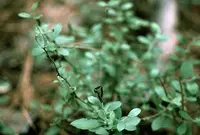
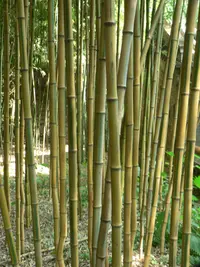
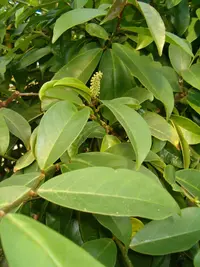
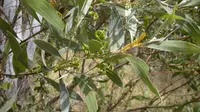
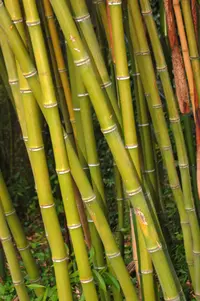
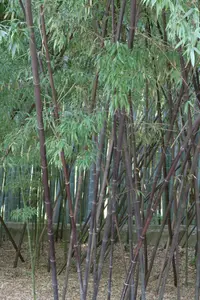
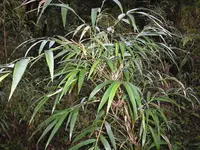
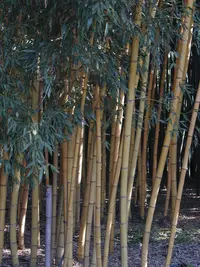
Argentinian quila (Chusquea quila) is an evergreen clumping bamboo native to the cool, moist forests of Chile and Argentina. It forms dense thickets of upright, leafy canes with many side branches, creating a strong visual screen. The foliage is fine textured, giving the plant a soft, almost feathery look at a distance.

This species prefers consistently moist, well-drained soil and does best in mild climates with cool summers. It tolerates some shade but grows fuller with good light. Once established, it is relatively resilient, though its size and density mean planning space and containment is important. Gardeners who learn how to care for Argentinian quila usually find it a long-lived structural plant.

Main Plant Requirements

Care Difficulty

Moderate Care

Light Preference

Partial Sun

Water Requirements

Regular Water

Temperature Preference

Warm Climate

Hardiness Zone

9–11

Soil Texture

Loamy, Silty, Organic-rich

Soil pH

Acidic (5.5–6.5), Slightly acidic (6.5–7.0)

Soil Drainage

Moist but well-drained

Fertilization

Minimal (feed rarely)

Get Personalized Care Plan

Scan your plant to receive care tips personalized for your specific plant

Available on iOS and Android

How to Care for the Argentinian quila

This clumping bamboo prefers bright, gentle light rather than harsh, all-day sun.

  • Provide 4–6 hours of direct morning sun with light afternoon shade; filtered light under high trees suits Argentinian quila well.
  • In hot summers, protect from strong sun after 1–2 pm to prevent leaf scorch, curling, and dry, pale foliage edges.
  • In cooler or coastal climates it tolerates more sun, but in cloudy seasons ensure exposure is not blocked by buildings or dense shrubs.

This species prefers consistently moist but not saturated soil.

  • Irrigate when the top 3–5 cm of soil feels slightly dry, allowing deeper soil to stay lightly moist for steady culm growth.
  • Increase watering during hot, windy periods when leaves roll or droop by midday, and reduce in cool, rainy seasons to avoid waterlogging.
  • Ensure free-draining soil or slopes; signs of overwatering include yellowing lower leaves and sour-smelling, soggy soil around Chusquea quila roots.

This bamboo favors mild, stable temperatures with protection from hard frost and extreme heat.

  • Optimal growth occurs around 55–75°F (13–24°C), with best shoot production in cool, moist conditions rather than intense summer heat.
  • Mature plants often tolerate brief drops to about 15–20°F (-9 to -6°C), but repeated freezes can damage leaves and young culms.
  • In regions above 85–90°F (29–32°C), provide afternoon shade and mulch to cool the root zone and reduce heat stress.

This clumping bamboo prefers moderate humidity and copes fairly well with typical household air.

  • Aim for 40–60% humidity; avoid extremely dry heated rooms in winter.
  • Brown, curling leaf tips and edge scorch indicate humidity stress in Argentinian quila.
  • Group pots, place trays with water and pebbles nearby, or run a small humidifier to raise local humidity.

Chusquea quila grows best in deep, loose, moist but well-drained soil.

  • Use a loamy mix with 40–60% organic matter such as compost plus mineral material like sandy topsoil.
  • Ensure free drainage; soil should hold moisture but never stay waterlogged, which encourages root rot.
  • Maintain a slightly acidic to neutral pH around 6.0–7.0 for balanced nutrient availability.
  • Improve structure and aeration by incorporating fine bark chips and coarse sand, avoiding heavy unamended clay.

This bamboo can be grown in containers if the pot supports its vigorous, clumping root system.

  • Choose a wide, heavy container to counteract top weight and prevent the plant from tipping in wind.
  • Use a deep pot so roots can form a stable, fibrous mass, which improves water uptake and anchorage.
  • Select a rigid material such as thick plastic or ceramic that limits root escape and moderates moisture swings.

This clumping bamboo benefits from moderate feeding to support dense culm and leaf growth, especially in containers or poor soils.

  • Use a balanced slow-release fertilizer (around 10-10-10) or well-aged compost at the start of spring growth.
  • Apply granular slow-release again in midsummer for outdoor plants with high vigor or where soil is low in organic matter.
  • During active growth, liquid feed at 1/2 strength every 4–6 weeks for Argentinian quila grown in containers.
  • Reduce or stop feeding in late fall and winter when growth slows, to avoid weak, frost-sensitive shoots.

Thoughtful pruning keeps Chusquea quila dense, accessible, and free of damaged culms.

  • Best timing is late winter to early spring, before strong new shoots emerge.
  • Remove dead, split, or winter-damaged culms at ground level using sharp loppers or a pruning saw.
  • Thin crowded interior culms to improve air movement and light penetration, which encourages stronger outer growth.
  • Limit tip cutting to lightly shortening overly tall culms, helping maintain a compact hedge or screen line.

This bamboo is usually grown in the ground, but container plants and young clumps may need occasional transplanting to maintain vigor.

  • Plan transplanting or repotting for early spring or early fall when temperatures are mild and soil moisture is stable.
  • Look for roots circling inside the pot, water running straight through, or slowed growth as signs that a larger container or ground planting is needed.
  • Typical container plants benefit from moving to a pot 1–2 sizes larger every 2–3 years with fresh, well-drained, organic-rich mix.
  • Reduce root stress by watering thoroughly before and after moving, disturbing the root ball as little as possible, and shading plants for several days.

This species is usually propagated by division, since flowering and viable seed are infrequent.

  • Carry out division in early spring when new shoots start, or in early fall where winters are mild.
  • Lift a portion of the clump, then separate sections with several culms and a solid root mass using a sharp spade or saw.
  • Replant divisions immediately at the same depth in moist, well-drained soil and water deeply to settle roots.
  • Provide light shade, shelter from strong wind, and consistent moisture for several weeks to support establishment.

Mature Chusquea quila is fairly cold hardy but benefits from basic winter preparation in colder regions.

  • In climates colder than about 10–15°F, expect some leaf or culm damage, especially on exposed sites.
  • Apply 5–8 cm of organic mulch around the root zone in late fall, keeping it slightly away from culm bases.
  • In very cold or windy areas, use windbreak cloth or fencing to limit desiccation and mechanical damage to culms.
  • Move container plants into an unheated garage, shed, or sheltered wall area where roots stay above freezing.

Care Tips

Rhizome containment

Install a solid root barrier 45–60 cm deep around planting areas to keep clumps in bounds and simplify long-term management when growing Argentinian quila in smaller gardens.

Selective culm thinning

Each late winter, remove the oldest, dull or crowded culms at ground level with clean loppers to maintain good air flow, reduce disease risk, and encourage production of younger, more attractive canes.

Snow and wind support

In exposed sites, loosely tie groups of culms together with soft garden tape or jute before heavy snow or strong winds to prevent bending, breakage, and uprooting.

Mulch for shoot protection

Apply a 5–8 cm layer of organic mulch over the root zone, keeping it a few cm away from culm bases, to protect emerging shoots from temperature swings and reduce soil compaction around the clump.

Staggered division timing

When dividing clumps, split and replant smaller sections over 2–3 seasons instead of removing a large mass at once to reduce stress on the plant and maintain consistent screening or ornamental effect.

Common Pests and Diseases

Bamboo mites

This pest feeds on the undersides of leaves, causing pale stippling, bronzing, and eventual leaf drop, especially in warm, dry conditions.

Solution

Rinse foliage thoroughly with a strong stream of water, then apply insecticidal soap or horticultural oil to the undersides of leaves on a 7–10 day schedule until new growth appears clean; increase humidity and avoid drought stress to make the plant less favorable to mites.

Bamboo aphids

These insects cluster on young culms and leaf sheaths, sucking sap and excreting sticky honeydew that can lead to sooty mold growth.

Solution

Prune and discard heavily infested shoots, wash affected stems and leaves with water to remove aphids and honeydew, then use insecticidal soap or a light horticultural oil, repeating treatment as needed while encouraging natural predators such as lady beetles where possible.

Bamboo scale

This pest appears as small, fixed bumps on culms and leaf sheaths, causing yellowing, reduced vigor, and sometimes dieback of individual canes.

Solution

Scrape or wipe off scales on accessible culms with a soft brush or cloth, then treat remaining populations with horticultural oil during mild weather, ensuring good coverage of all culms; maintain strong plant vigor with proper watering and spacing to reduce susceptibility.

Sooty mold

This disease is a superficial black fungal growth that develops on honeydew from aphids, scale, or other sap-feeding insects, giving leaves and culms a dark, dirty appearance and reducing photosynthesis.

Solution

Address the underlying insect infestation first, then gently wash affected foliage and culms with water to remove the mold; improve air circulation around clumps by thinning crowded canes and avoid overhead watering late in the day.

Bamboo blight

This disease causes dark lesions on culms and sometimes on leaves, leading to streaking, dieback of individual canes, and thinning of the clump under prolonged wet, cool conditions.

Solution

Cut and remove affected culms at ground level and dispose of them off-site, improve drainage and airflow around the stand, avoid overhead irrigation, and, where disease pressure is high, apply a suitable fungicide labeled for bamboo following local regulations and professional guidance on Chusquea quila care instructions.

Interesting Facts

Bamboo without hollows

Unlike most bamboos, its culms are solid or nearly solid rather than hollow, which makes them denser and heavier for construction and tool-making.

Key Andean understory shrub

This species forms dense thickets in the temperate rainforests of southern Chile and Argentina, providing cover and nesting sites for small mammals and ground-dwelling birds.

Fire and grazing resilience

After fire or heavy grazing, it can resprout vigorously from its rhizomes, helping stabilize soil and quickly re-vegetate disturbed forest edges and clearings.

Botan icon

Did you know?

Large, nearly pure stands of this species, known locally as quilares, can be so dense and tall that they form almost impenetrable barriers in Patagonian forest landscapes, strongly influencing how both wildlife and people move through the habitat.

FAQs about Argentinian quila

This clumping bamboo spreads by short rhizomes, so it enlarges gradually rather than running. It can still form dense thickets over time, but usually remains manageable with periodic thinning and removal of unwanted shoots at the edges.

Grow Healthy Plants with Botan Care

Keep your plants happy and healthy with plant identification, disease detection, and easy care guidance.

Botan plant care app — identify plants on mobile

Explore More Plants