Clean Substrate Tools
Disinfect knives, drills, and mixing tools with 70% isopropyl alcohol before handling substrate or spawn to reduce contamination by molds and bacteria when growing Elm Mushroom.

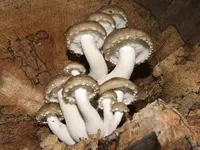
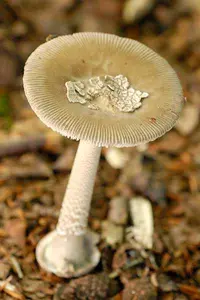
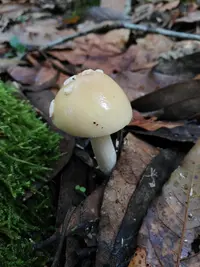
Elm mushroom, Hypsizygus ulmarius, is a wood-decay fungus that forms firm, fleshy clusters rather than leaves and stems like a typical houseplant. It produces pale cream to light tan caps with thick, white stems, usually emerging from hardwood logs or stumps, especially elm and other broadleaf trees in temperate regions.
In cultivation it is valued for reliable yields, meaty texture, and tolerance of cool conditions. It generally prefers stable moisture, good fresh air exchange, and a clean, nutrient-rich substrate instead of soil. With suitable conditions and basic hygiene, it is considered relatively straightforward to care for Elm Mushroom at home or in small-scale setups.

Care Difficulty
Moderate Care

Light Preference
Partial Shade

Water Requirements
Keep Soil Moist

Temperature Preference
Cool Climate

Hardiness Zone
Unknown

Soil Texture
Organic-rich, Peaty, Loamy

Soil pH
Acidic (5.5–6.5), Slightly acidic (6.5–7.0)

Soil Drainage
Moist but well-drained

Fertilization
Heavy (weekly, diluted)
Scan your plant to receive care tips personalized for your specific plant
Available on iOS and Android
This wood-loving mushroom prefers cool, indirect light rather than full, direct sun exposure.
Hypsizygus ulmarius needs consistently moist, not waterlogged, substrate to fruit well.
This mushroom fruits best in cool to mild conditions with stable temperatures.
Hypsizygus ulmarius needs consistently high humidity to form dense, well-shaped fruiting bodies.
For cultivation, Hypsizygus ulmarius performs best in a structured, wood-based substrate rather than typical garden soil.
This species is well suited to container cultivation when moisture and stability are carefully managed.
This fungus grows well on nutrient-rich substrates, so direct fertilizing of Hypsizygus ulmarius is usually unnecessary once the growing medium is prepared correctly.
Pruning is not part of standard Hypsizygus ulmarius care, but periodic harvesting and hygiene steps keep the culture productive and clean.
This species is managed by renewing or moving its colonized substrate rather than classic repotting.
Hypsizygus ulmarius is commonly propagated using sterile culture techniques rather than by casual home sowing like garden seeds.
Outdoor beds or blocks of Hypsizygus ulmarius are moderately cold tolerant but benefit from basic winter preparation in colder climates.

Plant Health Check
Not sure what's wrong with your plant? Check your plant's health inside the app.
This fungus is frequently found fruiting on dead or decaying elm wood, especially in urban parks and roadside plantings, where it helps decompose hardwood and recycle nutrients into the soil.
Mature caps often grow almost horizontally from trunks or stumps and can show a slightly fan-shaped outline, which helps distinguish it from the more centrally stemmed and clustered cultivated oyster mushrooms.
In many temperate regions it tends to fruit in the cooler part of the year, often in late fall, taking advantage of mild, moist weather when competition from other wood-decay fungi is reduced.

Genetic and morphological studies have shown that this species, once confused with oyster mushrooms in the genus Pleurotus, is distinct enough to be placed in its own genus, which is why it now carries the name Hypsizygus rather than being grouped with true oysters.
This species is considered an edible culinary mushroom when correctly identified and grown on clean substrate. As with all wild fungi, misidentification is risky, so beginners should avoid foraging and instead rely on reputable spawn suppliers.
Keep your plants happy and healthy with plant identification, disease detection, and easy care guidance.