Substrate rotation
Rotate inoculated wood or woodchip trays every 3–4 weeks to new, fresh hardwood material to avoid nutrient depletion and keep the mycelium expanding rather than stalling in exhausted substrate.

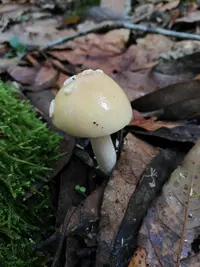
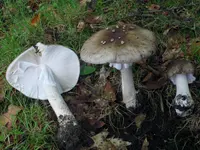
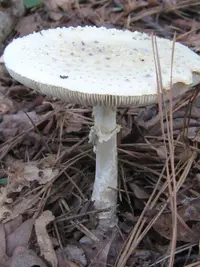
Cottony Volva Amanita, Amanita xylinivolva, is a wood-inhabiting mushroom rather than a leafy houseplant. It forms medium-sized caps with pale colors and a distinctive cottony volva, the cup-like tissue at the base. The species typically appears on decaying wood in forested regions, often in temperate climates.
Its life cycle depends on specific moisture, temperature, and substrate conditions, so it does not behave like common potted plants. For anyone trying to care for Cottony Volva Amanita, success usually requires replicating cool, humid, wood-rich environments that mimic its natural habitat.

Care Difficulty
Hard Care

Light Preference
Partial Shade

Water Requirements
Keep Soil Moist

Temperature Preference
Warm Climate

Hardiness Zone
Unknown

Soil Texture
Loamy, Organic-rich

Soil pH
Acidic (5.5–6.5)

Soil Drainage
Moist but well-drained

Fertilization
Minimal (feed rarely)
Scan your plant to receive care tips personalized for your specific plant
Available on iOS and Android
This woodland fungus prefers cool, filtered light rather than direct sun exposure.
This species depends on consistently moist but not waterlogged woody substrate to fruit well.
This fungus fruits best in mild, cool conditions typical of shaded woodland environments.
This species does not have specialized humidity needs and tolerates a broad range in outdoor woodland conditions.
This fungus relies on a mycorrhizal partnership with tree roots, so soil conditions must mimic natural woodland sites.
This species is not suitable for container growing, as it depends on extensive, natural associations with living tree roots in undisturbed soil.
This wood-decaying fungus gains nutrients from its substrate and usually needs no added fertilizer in natural or cultivated settings.
Amanita xylinivolva does not require pruning because the fruiting body is temporary and natural decay is part of its life cycle.
Transplanting focuses on maintaining suitable woody substrate rather than moving individual Amanita xylinivolva fruiting bodies.
Propagation of Amanita xylinivolva is specialized and not recommended for typical home cultivation, as it depends on complex wood decay and spore processes.
This fungus is naturally adapted to seasonal temperature shifts and usually needs no specific winter care in outdoor settings.

Plant Health Check
Not sure what's wrong with your plant? Check your plant's health inside the app.
This species has been described growing directly from well‑rotted wood rather than typical soil or moss, which is unusual for many Amanita that often fruit from mineral soil or mycorrhizal roots.
Its name refers to the distinctive cottony, wood‑fiber‑like universal veil remnants that can cling to the stem base and young caps, giving a shredded or woolly appearance unlike the thick, warty patches seen in some other Amanita.
Published records indicate a relatively narrow and scattered distribution, with confirmed finds mainly from specific forested regions, so it is considered uncommon and poorly known compared with widespread Amanita species.
This mushroom is strongly poisonous to both pets and humans. Ingestion can cause serious gastrointestinal and neurological symptoms. It must never be eaten, tasted, or used as a toy or decoration within reach of children or animals.
Keep your plants happy and healthy with plant identification, disease detection, and easy care guidance.