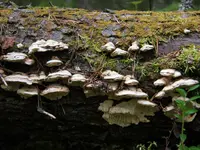
grisette Care (Amanita vaginata)

grisette

About grisette

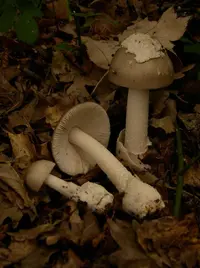
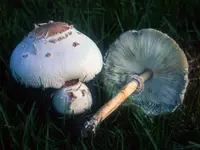
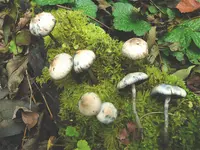
Grisette, Amanita vaginata, is a wild mushroom rather than a typical houseplant. It is a slender, gray to gray-brown Amanita with a fragile cap and a distinct saclike base. The cap is usually smooth with striated edges, and the stem is tall, hollow, and lacks the ring seen in many other Amanita species.

This mushroom occurs naturally in forests and woodland edges across North America and Europe, forming mycorrhizal partnerships with trees. It does not adapt well to pots or garden beds, so attempts to care for grisette at home are rarely successful. It prefers undisturbed, well-drained woodland soils with consistent moisture and dappled light.


Main Plant Requirements

Care Difficulty

Hard Care

Light Preference

Partial Shade

Water Requirements

Keep Soil Moist

Temperature Preference

Cool Climate

Hardiness Zone

Unknown

Soil Texture

Loamy, Sandy, Organic-rich

Soil pH

Acidic (5.5–6.5), Slightly acidic (6.5–7.0)

Soil Drainage

Moist but well-drained

Fertilization

Minimal (feed rarely)

Get Personalized Care Plan

Scan your plant to receive care tips personalized for your specific plant

Available on iOS and Android

How to Care for the grisette

This mycorrhizal mushroom prefers soft, filtered forest light rather than direct open sun.

  • Site Amanita vaginata in light dappled shade under trees, receiving roughly 2–4 hours of gentle morning sun or bright, indirect light through foliage.
  • Avoid strong midday and afternoon sun, which can overheat and dry the upper soil layer, reducing fungal activity and fruiting potential for the grisette.
  • In summer, ensure consistent partial shade; in early spring and late autumn, slightly more open light is acceptable as long as the soil does not bake or crack.

This ectomycorrhizal fungus depends on steady, naturally moist but not saturated soil conditions.

  • Aim for soil that stays evenly moist 5–10 cm down, letting the surface just begin to dry between rains or irrigations, rather than following a fixed watering schedule.
  • Prioritize excellent drainage; waterlogged or puddling soil signals excess water that can suffocate Amanita vaginata mycelium and favor bacterial or competing fungal growth.
  • During hot, dry periods, increase deep, infrequent watering and watch for shrinking caps and cracked soil as signs of drought stress, while standing water or sour smells indicate overwatering.

This forest-dwelling mushroom fruits best in cool to mild conditions typical of temperate woodlands.

  • Optimal fruiting usually occurs around 55–70°F (13–21°C), with mycelium remaining active across a somewhat broader cool range in undisturbed soil.
  • Short exposures down to about 30–32°F (-1–0°C) may be tolerated in soil, but hard, prolonged frost can damage fruiting bodies and slow or halt fungal growth.
  • Sustained heat above 80°F (27°C), especially when combined with drought, tends to suppress fruiting; shaded, mulched soil buffers temperature swings through summer and winter.

This species is not suitable for typical home cultivation, but in naturalistic setups humidity still matters slightly.

  • Aim for ambient humidity around 60–80% to mimic the moist forest air where grisette normally fruits.
  • Allow brief dips to 40–50% humidity, but prolonged very dry air reduces fruiting and may dry developing caps.
  • Watch for cracked caps and quickly drying gills as low-humidity stress signs, and increase moisture with localized misting away from direct contact.

This fungus relies on a mycorrhizal partnership with tree roots, so soil preparation focuses on recreating its natural forest habitat rather than standard potting mixes.

  • Use a loose, sandy to loamy mineral soil with 20–40% well-decomposed leaf litter or composted bark to mimic woodland conditions for Amanita vaginata.
  • Ensure very sharp drainage; a thin gravel layer below the root zone and minimal fine peat help prevent waterlogging that suppresses the fungal mycelium.
  • Target a slightly acidic soil, roughly pH 5.0–6.5, avoiding liming or strongly alkaline amendments that can alter the natural tree–fungus balance.
  • Avoid compacted, high-clay, heavily fertilized, or manured substrates, which reduce aeration and can promote competing fungi and bacteria over mycorrhizal partners.

This species is generally unsuitable for container growing because it depends on living tree roots in complex soil ecosystems.

Amanita vaginata, the grisette, is a wild mycorrhizal fungus that does not benefit from targeted fertilization.

Pruning is not a standard or appropriate practice for Amanita vaginata, which is a wild mushroom rather than a managed garden plant.

This species is not suited to repotting, as it depends on a symbiotic relationship with living tree roots in soil.

  • Avoid growing it in pots; instead, allow fruiting bodies to form naturally in undisturbed ground near suitable host trees.
  • Do not attempt to transplant mushrooms or surrounding soil, since the underground mycelium is extensive and easily damaged.
  • If habitat disturbance is unavoidable, leave as much of the original soil and root zone intact as possible to reduce stress on the fungal network.

Propagation of Amanita vaginata is not typically managed by gardeners, as it spreads naturally via spores and underground mycelium.

No specific winter care is required for this woodland fungus, which is adapted to natural seasonal conditions in its native range.

Care Tips

Substrate inoculation

Mix colonized substrate or spore slurry into a tray or outdoor bed of slightly compacted, low-nutrient leaf litter and sandy soil to give the mycelium a continuous, stable zone to occupy rather than relying on scattered spores alone.

Stable host association

Establish young birch, oak, or beech saplings in the same area and avoid disturbing their roots, since this fungus depends on forming long-term mycorrhizal partnerships with these trees for reliable fruiting.

Minimal soil disturbance

Mark the colonized area and avoid digging, heavy foot traffic, or frequent raking there, because mechanical disruption can break up the mycelial network and reduce future mushroom production.

Targeted moisture shielding

Use a loose layer of leaves or pine needles over the mycelial zone to slow surface drying and buffer rainfall impact, keeping the top few cm of soil evenly moist without creating waterlogged pockets.

Careful fruit harvesting

Cut mushrooms at the base with a clean knife instead of pulling them out, and leave very small buttons in place, which reduces damage to the underground structures and supports more consistent results when growing grisette.

Common Pests and Diseases

Mycophagous insects

These insects feed on the fruiting bodies, creating pits, tunnels, and rapid softening of the cap and stem. Symptoms include small entrance holes, frass, and accelerated decay of the mushroom.

Solution

Harvest fruiting bodies as soon as they are mature to reduce insect colonization, and remove and discard infested mushrooms promptly so larvae do not complete their life cycle on site. Maintaining good hygiene in the fruiting area and avoiding overly wet, stagnant conditions limits attraction and reproduction of these insects when attempting to grow Amanita vaginata for study or display.

Slugs and snails

These animals rasp away soft tissue from caps and stems, leaving irregular holes, shredded margins, and slime trails. Damage often appears overnight and can destroy young fruiting bodies before they fully expand.

Solution

Hand-pick slugs and snails in the evening or early morning and remove them from the area around host trees. Use physical barriers such as copper tape around small protected plots or raised display beds, and keep dense ground litter slightly thinned so shelters for large slug populations are reduced.

Fungal parasitism

This disease is caused by other fungi that colonize developing or aging fruiting bodies, leading to distorted shape, discolored patches, and rapid collapse. Symptoms include a cottony, powdery, or moldy overgrowth on the cap or gills.

Solution

Remove and discard parasitized mushrooms as soon as changes are noticed so spores from the parasitic fungi do not spread heavily in the immediate area. Avoid leaving old, decaying fruiting bodies in place, and minimize overhead watering in managed mycorrhizal study plots to reduce surface humidity that favors parasitic growth.

Interesting Facts

Distinctive sac-like volva

This species has a prominent, sac-like volva (a cup at the base of the stem) that remains after the universal veil ruptures, which is a key feature used by mycologists to identify it in the field.

Missing the classic ring

Unlike many well-known Amanita species, it typically lacks an annulus or ring on the stem, a trait that helps separate it from some deadly close relatives that do have a ring.

Preference for poor soils

It often appears on nutrient-poor or disturbed soils, forming mycorrhizal associations with birch, oak, and other trees, and in doing so helps them access water and mineral nutrients through its fine fungal network.

Botan icon

Did you know?

In some European field guides, this mushroom is highlighted as an example of how variable a single species can be, because its caps can range from almost white to gray, brown, or tan, yet careful examination of its volva, gills, and spore characteristics still place all these forms within Amanita vaginata.

FAQs about grisette

Identification in this mushroom group is difficult, and confusion with dangerous Amanita species is common. For safety, it should not be collected or eaten unless confirmed by an experienced mycologist using multiple identification features.

Grow Healthy Plants with Botan Care

Keep your plants happy and healthy with plant identification, disease detection, and easy care guidance.

Botan plant care app — identify plants on mobile

Explore More Plants