Mulch Root Zone
Apply a 5–8 cm layer of pine bark or needle mulch over the root zone each spring, keeping it 5 cm away from the trunk, to keep roots cool, conserve moisture, and maintain the acidic surface conditions this species prefers.

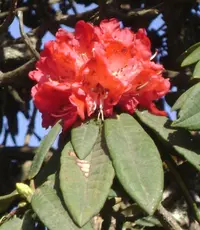
Tree rhododendron (Rhododendron arboreum) is a broadleaf evergreen shrub or small tree known for its dense canopy and clusters of showy, bell-shaped flowers. It often carries deep red blooms, though pink and white forms also exist, and has leathery, dark green leaves that stay on the plant year-round in mild climates.
This species is native to the Himalayan region and surrounding mountains, where it grows in cool, moist forests and hillsides. In gardens, it prefers mild conditions, evenly moist acidic soil, and protection from harsh, drying sun.
Its need for specific soil pH, good drainage, and consistent moisture can make it moderately challenging for beginners, especially in hot or very dry climates. Learning how to care for Tree Rhododendron helps improve its long-term performance and flowering.

Care Difficulty
Moderate Care

Light Preference
Partial Shade

Water Requirements
Keep Soil Moist

Temperature Preference
Cool Climate

Hardiness Zone
7–9

Soil Texture
Loamy, Peaty, Organic-rich

Soil pH
Strongly acidic (4.5–5.5), Acidic (5.5–6.5)

Soil Drainage
Moist but well-drained

Fertilization
Minimal (feed rarely)
Scan your plant to receive care tips personalized for your specific plant
Available on iOS and Android
This species prefers bright, gentle light with protection from harsh midday sun.
Rhododendron arboreum needs consistently moist but not saturated soil.
This shrub prefers cool to mild conditions and dislikes temperature extremes.
This species prefers cool, moderately humid air and dislikes prolonged dryness.
This shrub needs consistently moist, airy, acidic soil to perform well.
This species can be grown in containers when provided with a stable, cool root zone and careful moisture control.
Nutrient needs are moderate, so focus on light, targeted feeding for Rhododendron arboreum rather than heavy fertilization.
Pruning needs are modest and focus on maintaining health and structure in Rhododendron arboreum.
Long-term planting sites are preferable, so transplant Rhododendron arboreum only when clear stress or overcrowding appears.
Propagation is possible but somewhat slow, so most gardeners treat Rhododendron arboreum as a long-term landscape shrub.
Cold tolerance is moderate, so winter care focuses on protecting roots and foliage from harsh freezes and drying winds.

Plant Health Check
Not sure what's wrong with your plant? Check your plant's health inside the app.
This species is the national flower of Nepal and is also culturally important in parts of India, where its bright red blooms are associated with spring festivals and local identity.
In the Himalayas it commonly grows between roughly 1,500–3,600 m, where it forms large evergreen trees that help structure high‑altitude broadleaf forests.
In several Himalayan regions the flowers are collected to make traditional juices and chutneys, as the petals contain low levels of toxicity compared with some other rhododendron species and are used under local culinary knowledge and customs.

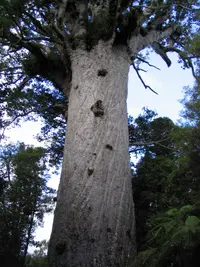
In suitable Himalayan habitats this species can develop into a true forest tree over 20 m tall with a massive trunk, making it one of the few rhododendrons that regularly achieves full tree stature rather than remaining a shrub.
Growth is moderate. Young plants usually add about 15–30 cm in height per year under good conditions, then slow as they mature. In cooler or drier sites, annual growth may be closer to 10–15 cm.
Keep your plants happy and healthy with plant identification, disease detection, and easy care guidance.