Aesculus × bushii Care

Aesculus × bushii

About Aesculus × bushii

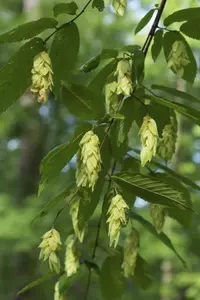
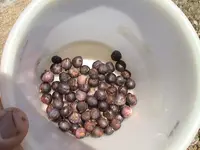
Aesculus × bushii is a medium to large deciduous tree, grown mainly as an ornamental for its showy spring flower clusters and bold, palmate leaves. It is a naturally occurring hybrid buckeye, found in parts of the central United States and used in landscapes, parks, and large gardens. The tree forms a rounded crown and produces smooth capsules containing shiny brown seeds, giving it a strong seasonal presence. It is moderately challenging for small spaces due to its size and litter, but generally robust once established. To care for Aesculus × bushii, provide a sunny to lightly shaded site with evenly moist, well-drained soil.

Main Plant Requirements

Care Difficulty

Moderate Care

Light Preference

Full Sun

Water Requirements

Moderate Water

Temperature Preference

Cold Hardy

Hardiness Zone

5–8

Soil Texture

Loamy, Clay, Organic-rich

Soil pH

Slightly acidic (6.5–7.0), Neutral (7.0)

Soil Drainage

Moist but well-drained

Fertilization

Minimal (feed rarely)

Get Personalized Care Plan

Scan your plant to receive care tips personalized for your specific plant

Available on iOS and Android

How to Care for the Aesculus × bushii

This hybrid buckeye thrives in full sun to light shade in typical garden settings.

  • Provide 4–6 hours of direct morning sun with light afternoon shade, especially in hotter regions, to support strong flowering and dense canopy growth.
  • Tolerates partial shade, but if light drops below about 3 hours of direct or bright filtered sun, expect thinner foliage and reduced flowering on Aesculus × bushii.
  • In hot summers, protect from intense west-facing afternoon sun to reduce leaf scorch; in cooler climates, full sun all day is usually safe.

This tree prefers evenly moist but not saturated soil once established.

  • Allow the top 3–5 cm of soil to dry slightly between deep waterings, then water enough to moisten the root zone 20–30 cm down, especially during the first 2–3 growing seasons.
  • Increase watering during hot, dry spells if new leaves wilt by midday and recover by evening, a common sign of moderate drought stress in Aesculus × bushii.
  • Reduce supplemental water in fall and winter, and avoid soggy conditions; yellowing leaves, dieback, or mushrooms at the base suggest poor drainage or overwatering.

This hardy buckeye handles a wide range of outdoor temperatures in temperate climates.

  • Active growth is strongest around 60–80°F (16–27°C), with good leaf and shoot development through typical spring and early summer conditions.
  • Established trees tolerate winter lows near -20°F (-29°C), but young plants benefit from mulch and shelter from drying winds to limit frost damage.
  • In hot summers, trees cope with brief highs near 95°F (35°C) if soil moisture is maintained; prolonged heat combined with drought can cause marginal leaf scorch and early leaf drop.

This species is an outdoor tree that tolerates a wide humidity range, so ambient levels are usually sufficient.

This tree prefers deep, moist, well-drained loam for stable growth and root health.

  • Use a loamy soil rich in organic matter, with a structure that holds moisture yet does not stay waterlogged.
  • Aim for slightly acidic to neutral pH, around 6.0–7.0, which supports nutrient availability for Aesculus × bushii.
  • In heavy clay, improve drainage and aeration by incorporating coarse sand and well-rotted compost through the top 30–40 cm.
  • Avoid compacted, poorly drained sites or very shallow, stony soils that restrict root expansion and increase drought stress.

This species is generally unsuited to long-term container growing due to its eventual size and strong root system.

This hardy tree generally needs minimal supplemental feeding in fertile garden soil.

  • Apply a light layer of compost or well-rotted manure around the root zone in early spring to support healthy growth.
  • If soil is poor, use a balanced slow-release NPK fertilizer (around 10-10-10) once in spring at label rates.
  • Avoid fertilizing in late summer or fall to prevent soft growth that may winterkill.
  • Do not feed during winter dormancy; focus instead on maintaining adequate soil moisture and mulch.

Pruning Aesculus × bushii is mainly structural and corrective rather than intensive each year.

  • Carry out main pruning in late winter to very early spring before buds break, when branch structure is easy to see.
  • Remove dead, diseased, crossing, or storm-damaged branches using clean, sharp bypass pruners or a pruning saw.
  • Thin congested interior branches selectively to improve light penetration and air flow, not by heavy topping.
  • Use proper cut placement just outside the branch collar to encourage sound healing and maintain natural form.

This buckeye hybrid is usually grown in the ground, so care focuses on correct transplanting of young trees.

  • Transplant in late fall or very early spring when the tree is dormant and soil is workable.
  • Move container-grown plants when roots circle the pot, growth slows, or the plant dries out very quickly.
  • Dig a wide planting hole, loosen circling roots gently, and set the tree at the same depth as in the nursery container.
  • Water deeply after planting, then mulch 5–8 cm over the root zone, keeping mulch away from the trunk to limit stress.

Propagation of Aesculus × bushii is possible but not commonly done by home gardeners because it is a hybrid tree.

  • Collect fresh seeds in fall, removing outer husks, and cold stratify them in moist medium at 34–41°F for 2–3 months.
  • Sow stratified seeds in deep pots or nursery beds with well-drained soil, keeping medium evenly moist, not waterlogged.
  • Softwood cuttings are difficult to root and usually require mist propagation, rooting hormone, and bottom heat in a controlled setup.
  • Young seedlings may vary somewhat, so select vigorous individuals with strong form when growing on.

This hardy deciduous tree typically needs little special winter care once established in suitable climates.

  • Aesculus × bushii tolerates typical Midwestern winters but young trees benefit from extra root-zone protection.
  • Apply 5–8 cm of organic mulch over the root area in late fall to moderate soil temperature and moisture swings.
  • In exposed sites, use a breathable trunk guard or wrap on young trees to reduce sunscald and rodent damage.
  • Container-grown specimens, if any, should be moved to a sheltered, unheated space where roots do not freeze solid.

Care Tips

Windfirm training

In the first 3–5 years, selectively remove or shorten competing leaders and steeply angled branches to develop one strong central leader that resists storm damage as the tree matures.

Root flare exposure

At planting and during the first few years, ensure the root flare stays just above soil level and brush away any accumulated mulch so the base of the trunk stays dry and less prone to fungal cankers.

Buckeye litter management

Regularly rake and remove fallen leaves, flowers, and buckeye fruits from under the canopy to reduce overwintering sites for leaf blotch fungi and to keep nuts away from children and pets.

Deep structural mulching

Maintain a 5–10 ft wide, 5–8 cm deep mulch ring around the tree, kept several cm away from the trunk, to protect surface roots from mower damage and temperature extremes.

Stress monitoring routine

From late spring through early fall, inspect foliage weekly for early signs of leaf scorch, blotch, or pest activity so that caring for Aesculus × bushii can include timely irrigation adjustments or targeted treatment before damage spreads.

Common Pests and Diseases

Leaf blotch

This disease causes irregular brown blotches on leaflets, often with yellow halos, leading to early leaf drop in late summer. Symptoms include more severe spotting during warm, wet weather.

Solution

Collect and dispose of fallen leaves in autumn to reduce the amount of fungus that overwinters, and avoid overhead watering that keeps foliage wet for long periods. For high-value specimens, improve air circulation by pruning overcrowded branches and consider a preventive fungicide labeled for leaf blotch on horsechestnuts if the problem recurs severely each year.

Guignardia leaf blotch

This disease produces large, dark brown, often angular blotches starting at the leaf tips or margins, sometimes causing leaf curling and premature defoliation. Symptoms include a sharp border between healthy green tissue and dead brown areas.

Solution

Rake and remove all infected leaves at the end of the season and maintain good spacing around the tree to promote faster drying of foliage. In situations where defoliation is heavy for several consecutive years, consult a certified arborist about well-timed fungicide sprays in spring as new leaves emerge.

Leaf scorch

Symptoms include browning and drying of leaf margins and tips, often on sun-exposed or windward sides of the canopy, even when no fungus is present. This physiological stress disorder is linked to heat, drought, or high-salt soils.

Solution

Provide deep, infrequent watering during prolonged dry spells, focusing on the root zone rather than wetting the foliage, and maintain an organic mulch layer 5–8 cm deep to conserve soil moisture. Avoid excess fertilizer and reduce reflected heat where possible, since this species prefers consistent soil moisture and moderate conditions when growing Aesculus × bushii.

Japanese beetles

These insects skeletonize leaves, leaving only the veins, and often feed in groups on the upper canopy. This pest is particularly attracted to horsechestnuts and can cause significant cosmetic damage in mid-summer.

Solution

Hand-pick beetles into soapy water in early morning when they are less active, and consider using row covers or fine netting on smaller specimens during peak flight periods. For larger landscape trees, targeted use of systemic or contact insecticides labeled for Japanese beetles may be warranted, applied according to local regulations and with advice from an arborist or extension service.

Scale insects

This pest appears as small, immobile bumps on twigs and branches, and heavy infestations can lead to yellowing leaves, reduced vigor, and honeydew deposits that promote sooty mold. These insects feed by sucking sap from the plant’s vascular tissues.

Solution

Prune out and destroy heavily infested twigs, and encourage natural predators such as lady beetles by avoiding broad-spectrum insecticides during their active periods. For persistent problems, use horticultural oil or an appropriate systemic insecticide at the timing recommended for scale control in your region, focusing on the crawler stage when they are most vulnerable.

Interesting Facts

Hybrid Midwestern buckeye

This tree is a naturally occurring hybrid between Aesculus glabra and Aesculus pavia, found mainly in the central United States, especially Missouri and nearby states, where the parent species overlap.

Nectar-rich pink flowers

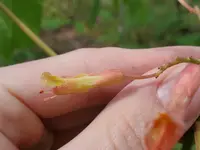
It produces dense upright clusters of pink to rose-red flowers with yellow tones that provide abundant nectar for hummingbirds and large pollinating insects in late spring.

Intermediate leaf and fruit traits

Its palmately compound leaves and spiny seed capsules show characteristics that are intermediate between the Ohio buckeye and red buckeye, which helps botanists confirm its hybrid origin.

FAQs about Aesculus × bushii

This hybrid buckeye usually forms a small to medium tree about 15–25 ft tall with a similar spread. In good conditions it develops a broad, rounded crown suitable for medium-sized gardens and landscape specimens.

Grow Healthy Plants with Botan Care

Keep your plants happy and healthy with plant identification, disease detection, and easy care guidance.

Botan plant care app — identify plants on mobile

Explore More Plants