Paraná-pine Care (Araucaria angustifolia)

Also known as: Parana Pine, Candelabra Tree, Paraná Araucaria
Paraná-pine

About Paraná-pine

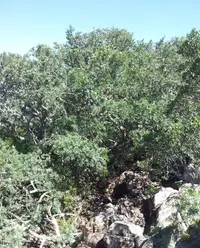
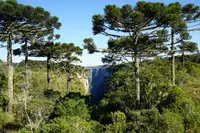
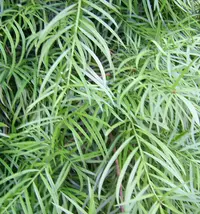
Paraná-pine, Araucaria angustifolia, is a long-lived conifer tree native to the highlands of southern Brazil and nearby regions of Argentina and Paraguay. It forms a tall, straight trunk with a distinctive umbrella-like crown of whorled branches.

Its stiff, triangular leaves and heavy, woody cones give it a strong architectural look, often used in large landscapes and parks. In nature it can reach great heights, so long-term indoor growing is limited to young plants.

This species prefers cool to mild climates, well-drained acidic soil, and consistent moisture without waterlogging. Understanding how to care for Paraná-pine early on helps it establish a strong, stable root system.

Main Plant Requirements

Care Difficulty

Moderate Care

Light Preference

Full Sun

Water Requirements

Moderate Water

Temperature Preference

Warm Climate

Hardiness Zone

9–11

Soil Texture

Sandy, Loamy, Organic-rich

Soil pH

Acidic (5.5–6.5), Slightly acidic (6.5–7.0)

Soil Drainage

Well-drained

Fertilization

Minimal (feed rarely)

Get Personalized Care Plan

Scan your plant to receive care tips personalized for your specific plant

Available on iOS and Android

How to Care for the Paraná-pine

This conifer prefers bright conditions that mimic open highland forests.

  • Provide 4–6 hours of direct morning sun with light afternoon shade; young Paraná-pine can scorch in intense late-day sun, especially in hot climates.
  • Tolerates light or dappled shade for part of the day, but growth becomes sparse and thin if it receives less than about 3–4 hours of strong light.
  • In cooler seasons, allow more direct sun; in very hot summers, protect from reflected heat and harsh mid-afternoon exposure.

Araucaria angustifolia prefers evenly moist but never waterlogged soil.

  • Allow the top 3–5 cm of soil to dry before deep watering; soil should feel cool and slightly damp below this layer, not soggy.
  • In spring and summer, monitor more often during warm, windy periods; in fall and winter, extend intervals as evaporation slows.
  • Ensure soil drains freely; signs of overwatering include yellowing, soft needles and a musty smell, while dry, browning tips suggest underwatering.

This species is adapted to mild climates with cool winters and moderate summers.

  • Aim for 50–77°F (10–25°C) for steady growth; it handles short warm spells above this if soil moisture and light shade are adequate.
  • Mature trees tolerate brief drops to about 20°F (-6°C), but young plants are safer above 26–28°F (-3 to -2°C), especially in exposed sites.
  • In hot summers above 86°F (30°C), provide mulch to keep roots cool and avoid reflected heat from paving or walls to limit stress.

This species prefers moderately humid air but usually adapts to typical indoor levels if not too dry.

  • Aim for 40–60% humidity; prolonged exposure below 30% can stress Paraná-pine foliage.
  • Watch for browning or crisp needle tips and accelerated needle drop as signs of humidity stress.
  • Increase humidity with a nearby humidifier, grouped plants, or a wide pebble tray under the pot, not by constant misting.

Provide loose, well-aerated, sharply drained soil to prevent root problems.

  • Use a sandy-loam mix: roughly 40% pine bark fines, 30% coarse sand, 20% perlite, 10% compost for nutrients.
  • Ensure rapid drainage; water should exit the pot within seconds, with no lingering puddles on the surface.
  • Target slightly acidic to neutral pH around 5.5–7.0 to support nutrient uptake and healthy root growth in Araucaria angustifolia.
  • Avoid heavy clay, peat-only mixes, or compacted substrates that hold water around the roots and limit oxygen.

This conifer can be grown in containers for many years if given a stable, deep, and well-drained setup.

  • Choose a tall, heavy pot to balance the top-heavy crown and reduce the risk of tipping in wind.
  • Select thicker-walled terracotta or concrete if outdoor, as these materials moderate moisture and temperature swings around the roots.
  • Elevate the container slightly on feet or blocks so drainage holes stay clear and water cannot pool under the base.

This slow-growing conifer needs modest feeding, especially when young or container-grown.

  • Use a balanced slow-release fertilizer (around 10-10-10) or well-rotted compost in spring to support steady growth.
  • Feed outdoor trees once each spring; container Paraná-pine can receive a diluted liquid balanced NPK every 4–6 weeks in the growing season.
  • Reduce or stop fertilization in fall and winter, when growth slows and nutrient demand drops.
  • Always apply at half the label strength for potted plants, and water afterward to prevent root burn.

Araucaria angustifolia needs minimal pruning and responds poorly to heavy cutting.

  • Limit work to late winter or early spring, before strong new growth begins.
  • Remove only dead, diseased, or broken branches with clean, sharp bypass pruners or a pruning saw.
  • Avoid cutting the central leader; removing it permanently distorts the tree’s natural, symmetrical form.
  • Thin crowded lower branches lightly if needed for clearance, but keep cuts small and close to the branch collar.

This species is best transplanted when young, as mature trees resent root disturbance.

  • Plan container upsizing or field transplanting in late winter or early spring, before active growth starts.
  • Look for circling roots, roots emerging from drainage holes, or slowed growth as signs a container plant needs more space.
  • Transplant every 2–3 years for young potted trees, stepping up only 1–2 in pot size with a free-draining, slightly acidic mix.
  • Handle the root ball gently, avoid breaking main roots, water deeply after planting, and shade from intense sun for 1–2 weeks to reduce stress.

Sexual propagation from seed is standard for this tree; vegetative methods are unreliable for home growers.

  • Collect fresh seeds in late summer to fall, as viability drops quickly in storage.
  • Sow seeds promptly in deep containers with a well-drained, slightly acidic substrate, covering them lightly.
  • Maintain consistent moisture, good aeration, and temperatures around 64–72°F for several weeks to encourage germination.
  • Provide bright, indirect light and avoid root disturbance in seedlings, potting on gently once roots fill the container.

This species is cold tolerant but benefits from some winter attention in colder regions.

  • Established ground-grown trees handle light to moderate frost; young plants are more sensitive below about 20°F.
  • Apply a 5–8 cm layer of organic mulch over the root zone, keeping it slightly away from the trunk.
  • Wrap the base of young trunks with breathable tree wrap in areas with severe freezes or strong winter sun.
  • Move container plants into a sheltered, unheated but frost-free space with bright light during the coldest months.

Care Tips

Stake Young Leaders

Install a sturdy stake next to the main stem of young trees in windy sites and loosely tie the leader in 2–3 places with soft, flexible ties to keep it growing straight without girdling the bark.

Protect Shallow Roots

Maintain a wide, undisturbed mulch ring and avoid digging, heavy foot traffic, or lawn edging within at least the dripline, because this species has shallow, wide‑spreading roots that are easily damaged.

Plan Long-Term Spacing

Site young plants where they can reach full size without topping or heavy side pruning later, since major crown reductions significantly stress this conifer and often lead to permanent disfigurement.

Monitor Cone Drop

In mature trees, regularly inspect and remove developing female cones over high-traffic areas or seating zones, as the large cones can become hazardous when they fall.

Winter Wind Management

In cold or exposed locations, use windbreak fencing or plant on the leeward side of buildings or taller trees to reduce desiccating winter winds, which supports healthier foliage when growing Paraná-pine.

Common Pests and Diseases

Scale insects

This pest feeds on sap along branches and needles, often forming small brown or gray bumps on twigs and trunk. Symptoms include thinning foliage, sticky honeydew, and sooty mold on nearby surfaces.

Solution

Prune and discard heavily infested twigs, then wash accessible branches with a strong jet of water and a soft brush to remove scales. For persistent infestations, use a horticultural oil spray labeled for conifers, applied thoroughly to bark and branch surfaces during mild, dry weather, and repeat as directed to target newly hatched crawlers.

Pine aphids

These insects cluster on young shoots and needle bases, sucking sap and causing needle yellowing and distortion. Sticky honeydew and attendant ants are common, and heavy infestations can weaken young trees.

Solution

Spray colonies off young shoots with a firm stream of water and encourage natural predators by avoiding broad-spectrum insecticides nearby. If needed, apply an insecticidal soap or light horticultural oil to infested shoots, ensuring full coverage and treating again after 7–10 days if aphids reappear.

Needle blight

This disease causes browning and premature drop of older needles, often starting on lower or inner branches where humidity is higher. Symptoms include tan to brown needles with darker bands or small fruiting bodies, giving the crown a thinned, scorched look over time.

Solution

Remove and discard fallen needles and visibly affected twigs to reduce inoculum, and avoid overhead irrigation that keeps foliage wet. Improve spacing and airflow around the tree, and in high-value specimens consult a local arborist about targeted fungicide sprays labeled for conifer needle blights, timed to new needle growth.

Canker disease

This disease produces sunken, resin-soaked lesions on branches or trunk, leading to dieback beyond the affected area and sometimes girdling whole branches. Symptoms include sparse foliage, dead twig tips, and oozing resin or cracked bark at the canker margin.

Solution

Prune out affected branches at least 15–20 cm below visible symptoms during dry weather, disinfecting tools between cuts with alcohol or a 10% bleach solution. Reduce plant stress by providing appropriate water and avoiding bark injuries, and for large landscape trees seek professional assessment for possible trunk canker management and long-term Araucaria angustifolia care instructions.

Interesting Facts

Relict from Gondwana

This species is a living remnant of ancient Gondwanan forests and shows close evolutionary relationships with other southern hemisphere conifers, such as the Norfolk Island pine and monkey puzzle tree.

Seed dispersal by jays

In its native range in southern Brazil and neighboring regions, the azure jay (Cyanocorax caeruleus) is a key disperser of its large seeds, burying them as food stores and inadvertently helping new trees establish.

Critically endangered forests

Native Araucaria forests in Brazil have been reduced to small, fragmented remnants by logging and land conversion, and the species is currently listed as Critically Endangered on the IUCN Red List.
Botan icon

Did you know?

Paraná pine produces large, starchy seeds known locally as pinhão, which have been an important traditional food source in southern Brazil for centuries and are still culturally significant in regional cuisine and festivals.

FAQs about Paraná-pine

This species grows slowly when young, often adding only 10–25 cm per year, then gradually speeds up under ideal outdoor conditions. Growth is strongly influenced by climate, soil depth, and root space.

Grow Healthy Plants with Botan Care

Keep your plants happy and healthy with plant identification, disease detection, and easy care guidance.

Botan plant care app — identify plants on mobile

Explore More Plants