Deep staking system
Install sturdy stakes or a wire fence on the windy side of the clump early in the season and loosely tie stems in several places to prevent lodging and stem breakage as plants reach full height.

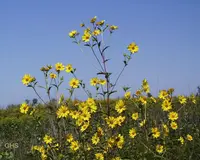
Helianthus giganteus, commonly called giant sunflower, is a tall, clump-forming perennial native to moist meadows and stream edges in North America. It belongs to the aster family and forms colonies from spreading underground stems. Stems are slender but can reach impressive heights, topped with many smaller yellow flower heads instead of one huge bloom. Narrow leaves and an upright habit give it a more wild, meadow look than typical garden sunflowers. It is generally robust and fast-growing when given sun, evenly moist soil, and space to spread. Gardeners who understand how to care for giant sunflower usually find it dependable in naturalistic borders and wildlife-friendly plantings.

Care Difficulty
Easy Care

Light Preference
Full Sun

Water Requirements
Regular Water

Temperature Preference
Cold Hardy

Hardiness Zone
3–8

Soil Texture
Loamy, Silty, Organic-rich

Soil pH
Acidic (5.5–6.5), Slightly acidic (6.5–7.0)

Soil Drainage
Moist but well-drained

Fertilization
Minimal (feed rarely)
Scan your plant to receive care tips personalized for your specific plant
Available on iOS and Android
Tall Helianthus giganteus plants develop strongest stems and flowers with abundant direct sun exposure.
This species prefers consistently moist but not waterlogged soil throughout the growing season.
This perennial sunflower favors warm growing conditions but tolerates a broad outdoor temperature range.
This tall perennial sunflower grows best in outdoor conditions with 40–60% humidity and strong air movement.
This species prefers deep, moist, well-drained loam with consistent structure to support its tall growth.
This species can be grown in containers, but only in large, stable pots that mimic deep garden soil.
This tall native perennial grows well in average soil but responds to modest feeding during the active season.
Helianthus giganteus benefits from light, timely pruning to maintain healthy, upright growth and abundant flowers.
This species is most often grown in the ground, where transplanting young plants correctly is more important than frequent repotting.
This tall sunflower is commonly propagated by seed and by division of spreading clumps.
This cold-hardy perennial usually needs minimal winter care in most temperate climates.

Plant Health Check
Not sure what's wrong with your plant? Check your plant's health inside the app.
This species naturally occurs in wet meadows, marsh edges, and stream banks across eastern North America, showing high tolerance for periodically saturated soils that would stress many other sunflowers.
It spreads through underground rhizomes, forming tall, dense clumps that can create near-monospecific stands and provide cover for birds and small mammals in wetland habitats.
It typically flowers from late summer into early fall, offering nectar and pollen to bees, butterflies, and other insects at a time when many earlier-blooming native plants are already declining.

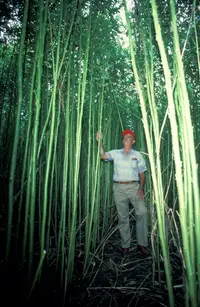
Helianthus giganteus is one of the taller native perennial sunflowers in eastern North America, often reaching 2–3 m in height in the wild and forming vertical accents that are visible across wetland landscapes.
This species spreads by underground rhizomes and self-seeding, so it can form dense clumps over time. In small gardens, gardeners often use root barriers and regular division as practical Helianthus giganteus care to keep it contained.
Keep your plants happy and healthy with plant identification, disease detection, and easy care guidance.