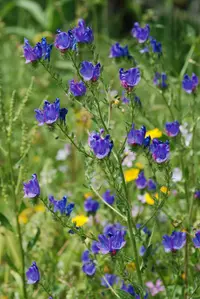
leafy spurge Care (Euphorbia esula)

leafy spurge

About leafy spurge

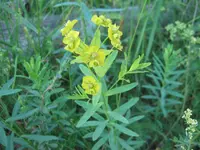
Leafy spurge, Euphorbia esula, is a perennial herb with upright, branching stems and narrow blue-green leaves. It produces many small yellow-green flower clusters surrounded by showy bracts. This plant spreads aggressively by seeds and deep, creeping roots, forming dense patches that outcompete other vegetation. It is native to Eurasia but is now widely naturalized and invasive in many parts of North America. Leafy spurge is tough and adaptable, tolerating poor soils and dry conditions, which makes control challenging. Those who want to care for leafy spurge in controlled settings should note its preference for full sun and well-drained, moderately dry soil.

Main Plant Requirements

Care Difficulty

Easy Care

Light Preference

Full Sun

Water Requirements

Low Water

Temperature Preference

Cold Hardy

Hardiness Zone

3–7

Soil Texture

Sandy, Loamy, Rocky

Soil pH

Slightly acidic (6.5–7.0), Slightly alkaline (7.0–7.5)

Soil Drainage

Well-drained

Fertilization

Minimal (feed rarely)

Get Personalized Care Plan

Scan your plant to receive care tips personalized for your specific plant

Available on iOS and Android

How to Care for the leafy spurge

This species is a sun-loving perennial that thrives in open, exposed sites.

  • Provide 6–8 hours of direct sun daily; full sun promotes dense growth and abundant flowering for leafy spurge.
  • Plant in a spot with morning to midafternoon sun; light afternoon shade is tolerated in hot summers but may slightly reduce flowering.
  • In shaded positions, stems become tall and weak; in very intense sun with poor moisture, foliage may scorch, so maintain at least moderate soil moisture.

This drought-tolerant perennial prefers infrequent, deeper watering rather than frequent light applications.

  • Allow soil to dry at least in the top 5–8 cm before watering; in many climates, rainfall alone is sufficient once plants are established.
  • Use well-drained, gritty or sandy soil to prevent waterlogging; Euphorbia esula is prone to root rot in compacted or saturated sites.
  • Signs of overwatering include yellowing lower leaves and soft, rotting crowns, while prolonged underwatering causes slow growth and early leaf drop.

This hardy perennial tolerates a wide range of outdoor temperatures in temperate climates.

  • Optimal active growth occurs around 60–75°F (16–24°C), with vigorous development in mild spring and early summer conditions.
  • Plants tolerate winter lows down to about -30°F (-34°C) once established, dying back to roots in cold seasons and resprouting in spring.
  • Heat tolerance is good up to about 90°F (32°C) if soil moisture is not extremely low; extended hotter periods can cause temporary wilting and slowed growth.

This species tolerates a wide humidity range and rarely needs special humidity management.

This plant prefers loose, mineral-rich, well-drained soil that never stays waterlogged.

  • Use a sandy or sandy-loam texture with coarse particles to prevent compaction and encourage deep rooting.
  • Ensure very fast drainage by blending roughly 60–70% sand or grit with 30–40% native soil or compost.
  • Aim for slightly alkaline to neutral pH, around 7.0–8.0, avoiding very acidic mixes below pH 6.5.
  • Avoid heavy clay, peat-heavy, or constantly moist substrates, which increase root rot risk and reduce aeration.

This species can be grown in containers but needs careful control due to its vigorous, spreading root system.

  • Choose a deep, heavy container that resists tipping as the plant develops extensive underground shoots.
  • Use a gritty, fast-draining mix so water passes through quickly, limiting the plant’s tendency to spread by rhizomes.
  • Place containers on hard surfaces where escaping roots cannot easily penetrate soil or cracks around the pot.

This tough perennial typically thrives in poor soils and often needs no fertilizer when grown outdoors.

Pruning Euphorbia esula is mainly used to limit spread and reduce seed production.

  • Cut back flowering stems just after bloom to reduce seed set and help contain the plant’s spread.
  • Remove dead, damaged, or weak shoots at ground level using sharp pruners or shears.
  • Shear or mow stands before seed ripens to manage height and density while wearing skin and eye protection.

Transplanting this deep-rooted perennial is challenging and mainly done for control or relocation, not routine care.

  • Plan moves for early spring or early fall when temperatures are mild and soil is workable.
  • Look for signs like poor vigor or crowding in a bed before deciding to lift and divide clumps.
  • Dig deeply to capture as much of the taproot and major lateral roots as possible to reduce shock.
  • Replant promptly at the same depth, water thoroughly, and keep soil evenly moist until new growth resumes.

Propagation of Euphorbia esula is common in research and management contexts but should be approached carefully due to its invasive nature.

  • Seed propagation occurs readily; seeds germinate in spring in moist, well-drained soil and full sun.
  • Root fragments sprout new shoots, so any intentional division must handle and dispose of leftovers carefully.
  • Stem cuttings root in warm, bright conditions; allow the milky sap to dry briefly, then insert into a gritty, barely moist mix.
  • Maintain moderate moisture and good air circulation around new plants to limit rot while roots establish.

This species is very cold hardy and generally needs minimal winter care in the ground.

  • In cold climates, dormant crowns tolerate freezing conditions without special covering.
  • A light 2–5 cm mulch layer can stabilize soil temperature and reduce heaving in exposed sites.
  • Container-grown plants benefit from being placed in an unheated but frost-sheltered area with slightly moist soil.

Care Tips

Use protective gear

Always wear nitrile or latex gloves, long sleeves, and eye protection when handling or cutting plants, as the milky sap can irritate skin and eyes and should be washed off immediately with plenty of clean water if contact occurs.

Double-bag plant waste

Collect pulled stems, roots, and seed heads directly into heavy-duty bags, seal them tightly, and dispose of them according to local regulations rather than composting, since seeds and root fragments often survive home composting temperatures.

Deplete root reserves

Repeatedly cut or pull top growth at ground level several times during the growing season, especially just before flowering, to gradually exhaust the root system and reduce vigor over 2–3 years.

Prevent seed spread

Remove and bag flower clusters before seeds mature and eject, and clean tools, footwear, and mower decks after working in infested areas to avoid moving seeds to new sites when growing leafy spurge.

Integrate competitive cover

Establish and maintain dense, competitive perennial grasses or groundcovers around patches, as a healthy, closed canopy of desirable species reduces seedling establishment and slows patch expansion.

Common Pests and Diseases

Leafy spurge flea beetle

This pest is a small black or brown beetle whose larvae feed inside the roots, while adults skeletonize leaves and weaken stands over time. Symptoms include thinning patches, stunted growth, and plants that break off easily at the crown due to root damage.

Solution

Introduce approved Aphthona biological control beetles where legal and appropriate, avoiding insecticides that would kill them. In smaller patches, monitor plant vigor, mow before seed set to reduce spread, and combine with spot herbicide treatments if permitted, following local guidelines for Euphorbia esula plant care in rangeland or pasture settings.

Spurge hawkmoth

This insect is a gray or brown moth whose large green or striped caterpillars feed heavily on leaves and flowering shoots. Symptoms include defoliated stems, missing floral clusters, and black frass pellets on and around the plants.

Solution

Handpick and remove caterpillars from small infestations and destroy them away from the site. In larger infestations, encourage natural predators and avoid broad-spectrum insecticides that disrupt beneficial insects, using targeted biological control programs only where explicitly recommended by local extension services.

Leafy spurge rust

This disease is caused by a specialized rust fungus that produces yellow to orange spots and pustules on leaves and stems. Symptoms include discolored, distorted foliage and premature leaf drop, which can reduce plant vigor in dense stands.

Solution

Remove and destroy heavily infected above-ground material before spores spread, and avoid moving contaminated plant debris or soil to new sites. Maintain plant competition with desired grasses or groundcovers to limit dense spurge stands, and consult local weed control guidelines before applying any registered fungicides in natural or grazing areas.

Powdery mildew

This disease produces white, powdery fungal growth on leaves and young stems, especially in warm, dry conditions with high humidity around the foliage. Symptoms include dulled leaf color, distorted new growth, and reduced seed production in heavily covered plants.

Solution

Increase air movement around plants by reducing very dense, sheltered stands and avoid unnecessary overhead irrigation that keeps foliage humid. Remove and dispose of heavily affected shoots and, where management goals justify it, consider targeted fungicide treatments labelled for powdery mildew, applied according to local regulations for noxious weeds.

Interesting Facts

Milky toxic latex

This species produces a white, milky latex that is irritant and can cause contact dermatitis in humans and grazing animals if it gets on skin or mucous membranes.

Massive clonal root system

It spreads primarily through an extensive network of underground roots and buds, allowing single plants to form large, genetically identical colonies that are difficult to eradicate.

Bract-based yellow display

The showy yellow color often seen in spring comes mainly from specialized leaf-like bracts surrounding the small, inconspicuous true flowers, a typical but well-developed feature within its genus.

Botan icon

Did you know?

Euphorbia esula is listed as a noxious invasive weed in several regions of North America, where it can outcompete native vegetation, alter grassland ecosystems, and reduce forage quality for livestock, prompting coordinated long-term biological and mechanical control programs.

FAQs about leafy spurge

This species spreads very aggressively through both seeds and deep, creeping roots. Root fragments left in soil can resprout, and seeds eject several meters. In many regions it is considered a noxious, invasive weed that displaces native plants.

Grow Healthy Plants with Botan Care

Keep your plants happy and healthy with plant identification, disease detection, and easy care guidance.

Botan plant care app — identify plants on mobile

Explore More Plants