Arabian primrose Care (Arnebia hispidissima)

Arabian primrose

About Arabian primrose

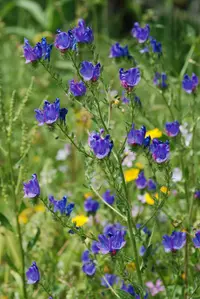
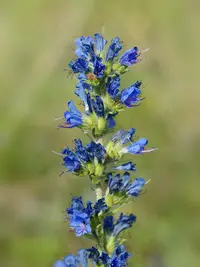
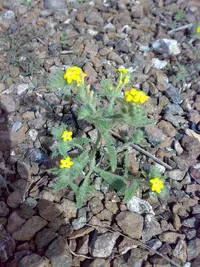
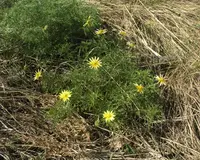
Arabian primrose (Arnebia hispidissima) is a small annual or short-lived perennial from dry, rocky regions of North Africa, the Middle East, and South Asia. It belongs to the borage family and typically forms low clumps with slender, bristly stems and narrow, rough leaves.

The plant carries small, bright yellow flowers often marked with darker spots that may fade as the bloom ages. Its natural adaptation to arid, sunny habitats makes it relatively drought-tolerant but less suited to very humid or poorly drained conditions.

Gardeners who care for Arabian primrose should note that it prefers full sun, lean well-drained soil, and minimal summer moisture. It is generally better suited to rock gardens, dry borders, or specialized collections than to typical indoor culture.

Main Plant Requirements

Care Difficulty

Moderate Care

Light Preference

Full Sun

Water Requirements

Low Water

Temperature Preference

Warm Climate

Hardiness Zone

8–11

Soil Texture

Sandy, Loamy, Rocky

Soil pH

Slightly alkaline (7.0–7.5), Alkaline (7.5–8.5)

Soil Drainage

Well-drained

Fertilization

Minimal (feed rarely)

Get Personalized Care Plan

Scan your plant to receive care tips personalized for your specific plant

Available on iOS and Android

How to Care for the Arabian primrose

This sun-loving desert annual thrives in strong light but benefits from some protection in extreme conditions.

  • Provide 6–8 hours of direct sun daily; in very hot regions, favor morning sun with light afternoon shade to prevent leaf scorch.
  • Plant Arabian primrose in open, unshaded sites; it tolerates brief partial shade but flowering and compact growth decline if light drops below roughly 4–5 hours.
  • In summer heatwaves, use sparse overhead shade cloth or neighboring grasses for filtered light, while in cooler seasons allow maximum direct exposure.

This species prefers dry, fast-draining conditions and is sensitive to excess moisture around the roots.

  • Water only when the top 3–5 cm of soil are completely dry; in arid climates this may mean deep but infrequent soaking followed by full drying.
  • Choose gritty, sharply drained soil or sandy slopes so water runs through quickly; avoid low spots where rain collects or irrigation lingers around Arnebia hispidissima.
  • Reduce watering further in cooler seasons; pale, limp, or rotting lower stems indicate overwatering, while crisp, folding leaves and very light soil signal underwatering.

This desert annual tolerates heat well but is not adapted to prolonged cold or hard frost.

  • Aim for active growth in 70–90°F (21–32°C); plants continue to survive up to about 100°F (38°C) if soil is free-draining and roots are not waterlogged.
  • Protect from frost, as damage often appears near 30°F (−1°C) and plants are usually killed by repeated drops below 28°F (−2°C).
  • In regions with cool winters, treat it as a warm-season annual, sowing after the last frost; in very hot climates, flowering often peaks in the milder spring and fall temperatures.

This species is adapted to arid conditions, so humidity is rarely a concern in typical homes or gardens.

  • Target 25–40% humidity, which matches the dry air of many indoor heated or outdoor desert-like settings.
  • It tolerates very dry air; problems more often come from excess moisture around leaves and roots than from low humidity.
  • Signs of excess humidity stress include persistent leaf spotting, mildew on foliage, and stems that stay soft instead of drying between watering episodes.

This plant prefers very lean, fast-draining, sandy soil that mimics dry, rocky habitats.

  • Use a gritty mix such as 50–60% coarse sand or grit with the rest split between regular potting mix and a small portion of compost.
  • Maintain sharp drainage by avoiding fine, water-holding components like heavy peat or clay that can keep roots wet for long periods.
  • Aim for slightly alkaline to neutral pH around 7.0–8.0, incorporating a little crushed limestone if the base mix is acidic.
  • For practical Arnebia hispidissima plant care, keep the soil shallowly loose, not compacted, so air can move freely around the root zone.

This species can be grown in containers if the pot and medium are managed to stay very free-draining and relatively dry.

  • Choose a wide, shallow pot to match its fibrous root system and prevent deep zones of unused, soggy medium.
  • Prefer unglazed terracotta, which allows moisture to evaporate through the pot walls and helps avoid prolonged wetness.
  • Elevate the container slightly on feet or spacers so drainage holes stay clear and water can exit quickly after rain or irrigation.

This desert annual needs only modest feeding, as excessive nutrients can reduce flowering and stress the plant.

  • Use a light application of balanced granular fertilizer (for example 10-10-10) or a thin layer of compost at planting time.
  • In containers, apply a half-strength balanced liquid feed every 4–6 weeks during the active growing season.
  • Avoid fertilizing in late fall or winter, as the plant is short-lived and naturally declines after flowering.
  • In poor soils for growing Arabian primrose, incorporate compost into the top 5–8 cm instead of increasing synthetic fertilizer rates.

Pruning for Arnebia hispidissima is minimal and mainly focuses on tidiness and flower performance.

  • Deadhead spent flower spikes during bloom to encourage a cleaner appearance and sometimes extend flowering.
  • Remove dead, diseased, or storm-damaged stems at the base using clean, sharp scissors or hand pruners.
  • At season’s end, cut back dry, brown stems to soil level to prevent self-seeding if that is not desired.
  • Avoid heavy shaping cuts, as this annual has a naturally open form that does not respond strongly to structural pruning.

This species is most often grown outdoors in poor, well-drained soil and is usually transplanted rather than repotted long term.

  • Transplant seedlings when they have 2–3 true leaves, before roots become dense or start circling a small plug cell.
  • Aim to transplant in spring after frost risk has passed, so roots can establish in warming soil.
  • Move plants only when necessary; this annual generally completes its life cycle within one season, so frequent moving is not needed.
  • Water well before and after transplanting, keep the root ball intact, and disturb roots as little as possible to limit transplant shock.

Arnebia hispidissima is most commonly propagated from seed, which suits its annual or short-lived perennial habit.

  • Sow fresh seed in late winter to early spring, either under cover or directly outdoors where plants will grow.
  • Provide sandy, very well-drained soil and bright light; germination is better in slightly warm conditions around 68–75°F.
  • Lightly cover seeds with a thin layer of grit or sand, then keep the surface just moist, not wet, until seedlings appear.
  • Transplant seedlings carefully when small, handling by the leaves rather than the stems to avoid damage.

Winter care demands are low because this plant is mainly treated as a warm-season annual in most climates.

  • In regions with frost, expect plants to die back after flowering and seed set; no special protection is needed in open ground.
  • Allow seed to mature and fall if natural reseeding is desired for the next warm season.
  • Potted specimens in cooler areas can be discarded after seed collection rather than overwintered, as regrowth is unlikely.

Care Tips

Encourage Deep Roots

Lightly hill up loose, sandy soil 3–5 cm around the base of young plants to protect the taproot and encourage deeper rooting in hot, drying sites.

Rotation For Vigor

Avoid planting in the same bed for at least 3–4 years to reduce buildup of soil-borne pathogens and maintain strong flowering performance.

Support In Wind

In very exposed, windy locations, place low, unobtrusive wire hoops or short canes with soft ties to prevent brittle flowering stems from snapping.

Targeted Deadheading

Remove only the spent flower clusters and leave healthy foliage intact so the plant can keep photosynthesizing and channel energy into new buds rather than seed.

Dry-Site Weed Control

Use a thin, gritty mineral mulch instead of organic mulch to suppress weeds without trapping excess moisture around the crown, which is important when growing Arabian primrose in arid conditions.

Common Pests and Diseases

Powdery mildew

This disease produces white, powdery patches on leaves and young stems, especially in warm, dry air with poor airflow.

Solution

Remove the most affected leaves to lower the fungal load, then improve spacing and airflow around plants and water at soil level only. In home gardens, apply a sulfur or potassium bicarbonate fungicide labeled for ornamental use at the first signs of infection and avoid overhead irrigation to reduce new outbreaks.

Leaf spot

This disease causes small brown to dark spots on leaves that may enlarge, merge, and lead to premature leaf drop under prolonged humid conditions.

Solution

Promptly remove and discard affected leaves, avoid wetting the foliage, and water early in the day so any moisture dries quickly. In persistent cases, use a copper-based fungicide according to label directions and rotate planting areas to reduce carryover of infected debris in the soil.

Aphids

These insects cluster on young stems and buds, sucking sap and causing curling, distortion, and sticky honeydew that can attract sooty mold.

Solution

Dislodge colonies by spraying plants with a firm stream of water, then introduce or encourage natural predators such as lady beetles when possible. For continued infestations, apply insecticidal soap or a light horticultural oil, ensuring thorough coverage of stems, buds, and leaf undersides while avoiding treatments during high heat above 85°F.

Spider mites

This pest appears in hot, dry weather, causing fine speckling, dulling of foliage, and in heavier cases, delicate webbing on stems and leaf undersides.

Solution

Rinse plants thoroughly with water, focusing on the undersides of leaves, and repeat several times over 7–10 days to interrupt the life cycle. If populations remain high, use a horticultural oil or miticide labeled for ornamental plants, and slightly increase ambient humidity or reduce heat stress to make conditions less favorable for mites.

Stem canker

This disease produces sunken, discolored lesions on lower stems that can girdle the tissue, causing sudden wilt and dieback in affected branches.

Solution

Cut out and destroy infected stems well below the visible lesion, disinfecting pruning tools between cuts with alcohol or a 10% bleach solution. Improve drainage and avoid mechanical injury at the stem base, and if growing Arabian primrose in the same site each year, rotate with unrelated species to lower the buildup of canker-causing fungi in the soil.

Interesting Facts

Desert annual specialist

This species is a short-lived annual native to arid and semi-arid regions from North Africa to northwestern India, completing its entire life cycle rapidly before intense summer heat and drought set in.

Bristly leaf armor

The plant has stiff, rough hairs on its leaves and stems that reduce water loss and help deter herbivores, an adaptation typical of many desert Boraginaceae species but especially pronounced in this one.

Sand-stabilizing root system

Its relatively deep, branching root system helps bind loose sandy soils, so populations often contribute to early-stage stabilization of dunes and disturbed desert ground.

Botan icon

Did you know?

In parts of its native range, this species is among the first annual forbs to colonize freshly disturbed desert soils after seasonal rains, making it an important pioneer plant that prepares the ground for subsequent plant communities.

FAQs about Arabian primrose

Lack of flowers often results from nutrient-poor or very compact soil, excessive shade, or stress from heat or drought. Improve soil fertility, ensure strong light, avoid heavy summer watering, and deadhead old blooms to support new buds.

Grow Healthy Plants with Botan Care

Keep your plants happy and healthy with plant identification, disease detection, and easy care guidance.

Botan plant care app — identify plants on mobile

Explore More Plants