Pinch For Bushiness
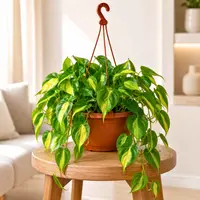
Regularly pinch 1–2 cm from the tips of vigorous shoots every few weeks to encourage dense, cascading growth and reduce legginess as the plant matures.

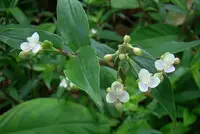
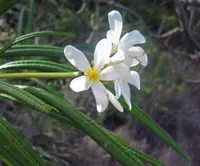
Pink Trinity, Tripogandra serrulata, is a trailing tropical perennial often grown as a houseplant or in warm-climate gardens. It belongs to the spiderwort family and forms dense, cascading stems. Leaves are typically green flushed with pink or purple tones, and small pink flowers may appear along the stems under good conditions. The plant is native to Central and South America, where it grows in warm, humid, partially shaded habitats. It is considered relatively easy to grow, as it adapts well to indoor conditions and tolerates occasional neglect. To care for pink Trinity, provide bright, indirect light, regular but moderate moisture, and a well-draining potting mix.

Care Difficulty
Easy Care

Light Preference
Partial Shade

Water Requirements
Moderate Water

Temperature Preference
Tropical / Frost Sensitive

Hardiness Zone
10–12

Soil Texture
Loamy, Sandy, Organic-rich

Soil pH
Acidic (5.5–6.5), Slightly acidic (6.5–7.0)

Soil Drainage
Moist but well-drained

Fertilization
Light (every 4–6 weeks)
Scan your plant to receive care tips personalized for your specific plant
Available on iOS and Android
Tripogandra serrulata grows best with bright, indirect light and protection from harsh midday sun.
Tripogandra serrulata prefers evenly moist but not saturated soil, with brief drying between waterings.
This species grows best in warm, frost-free conditions with only moderate temperature swings.
This species benefits from moderately humid air but copes with typical household conditions.
Tripogandra serrulata prefers a loose, airy, organic-rich substrate that drains quickly but does not dry out instantly.
This trailing species is well suited to container growing, including hanging baskets and elevated pots.
Tripogandra serrulata responds well to light, consistent feeding during active growth.
Tripogandra serrulata benefits from periodic light pruning to maintain a compact, full shape.
This plant responds well to occasional repotting, which supports dense foliage and steady growth.
This species is commonly propagated from stem cuttings, which root quickly under warm, humid conditions.
Tripogandra serrulata is frost-sensitive and needs mild conditions or indoor shelter in cold climates.

Plant Health Check
Not sure what's wrong with your plant? Check your plant's health inside the app.
This species often shows green leaves outdoors but can develop a pronounced pink to reddish flush on stems and foliage when grown in high light, which is why some ornamental clones are selected for stronger pink pigmentation.
Its slender, trailing stems root readily at the nodes where they touch moist substrate, allowing the plant to spread quickly over soil, rocks, or cracks in paved areas in frost-free climates.
The small seeds are enclosed in fruits with a slightly sticky surface that can cling to passing animals or human activity, helping the species move beyond its native range and become naturalized in disturbed habitats.
Lack of blooms usually comes from insufficient light, nutrient-poor or old soil, or a pot that is too small. Light pruning after a growth flush and balanced fertilizer can support flowering without overgrowing foliage.
Keep your plants happy and healthy with plant identification, disease detection, and easy care guidance.