Corn Plant Care (Dracaena fragrans 'Lemon Surprise')

Corn Plant

About Corn Plant

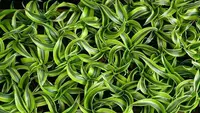
Corn plant Dracaena fragrans 'Lemon Surprise' is a compact evergreen shrub grown indoors for its striped green, lime, and cream leaves. The foliage forms loose rosettes on short canes, giving a layered, fountain-like look as it matures.

In nature, Dracaena fragrans comes from tropical Africa, where it grows as an understory plant in warm, shaded forests. This background helps explain its preference for bright, indirect light, moderate moisture, and well-drained potting mix.

It is considered an easy, forgiving houseplant that tolerates occasional neglect and lower light, which suits beginners. Knowing how to care for Corn Plant mainly involves avoiding overwatering and strong direct sun.

Main Plant Requirements

Care Difficulty

Easy Care

Light Preference

Bright Indirect Light

Water Requirements

Moderate Water

Temperature Preference

Tropical / Frost Sensitive

Hardiness Zone

10–11

Soil Texture

Loamy, Peaty, Organic-rich

Soil pH

Acidic (5.5–6.5), Slightly acidic (6.5–7.0)

Soil Drainage

Moist but well-drained

Fertilization

Light (every 4–6 weeks)

Get Personalized Care Plan

Scan your plant to receive care tips personalized for your specific plant

Available on iOS and Android

How to Care for the Corn Plant

Dracaena fragrans 'Lemon Surprise' prefers bright, indirect light with protection from harsh sun.

  • Provide 6–8 hours of filtered light each day, such as near an east- or north-facing window, to maintain strong variegation and compact growth.
  • Plant tolerates partial shade and can adapt to 3–4 hours of lower light, but Corn Plant foliage may darken and new growth may slow.
  • Avoid direct midday or strong afternoon sun, especially in summer, which can scorch leaves; shift slightly closer to light in winter when days are shorter.

Watering for this plant focuses on lightly moist but never soggy soil.

  • Before watering, let the top 3–5 cm of soil dry; check by feeling the potting mix rather than following a fixed schedule.
  • In spring and summer, water more frequently as growth is faster; in fall and winter, reduce watering when growth slows and the soil takes longer to dry.
  • Watch for overwatering signs such as yellowing, soft lower leaves and a sour soil smell, and underwatering signs such as crispy brown tips and drooping foliage on Dracaena fragrans 'Lemon Surprise'.

Stable, moderate warmth supports healthy growth and leaf color for this plant.

  • Aim for 65–80°F (18–27°C) for best growth; short peaks up to 85°F (29°C) are tolerated if humidity and watering are consistent.
  • Avoid temperatures below 55°F (13°C); prolonged exposure near this level can cause leaf yellowing, soft spots, and slowed growth.
  • Protect from frost and cold drafts from windows, doors, or air-conditioning, and from hot, dry air from heaters, especially during winter temperature swings.

This cultivar prefers moderately humid air but usually adapts well to typical home conditions.

  • Aim for 40–60% humidity to keep foliage color bright and leaf tips smooth.
  • Tolerates drier air, but sustained levels below 30% often cause brown, crispy leaf tips and edges.
  • Increase humidity by grouping plants, placing the pot on a pebble tray with water below the pot base, or using a small room humidifier near the Corn Plant.

This plant does best in a loose, airy potting medium that drains quickly but holds some moisture.

  • Use a peat- or coco-based houseplant mix amended with 20–30% perlite for drainage and aeration.
  • A slightly acidic to neutral pH around 6.0–7.0 supports nutrient uptake and healthy root growth.
  • Incorporate small amounts of fine bark or coconut husk chips to improve structure and reduce compaction over time.
  • Avoid dense garden soil, heavy clay, or mixes that stay wet for several days, as these promote root rot in Dracaena fragrans 'Lemon Surprise'.

This species is well suited to container growing due to its upright, relatively slow root expansion.

  • Choose a container that is wider and slightly deeper than the root mass to provide lateral stability for the tall cane-like stems.
  • Opt for a heavier ceramic or stone pot if the plant is top-heavy, reducing the risk of tipping as the stems elongate.
  • Select containers with several unobstructed drainage holes so excess water exits rapidly, preventing a waterlogged zone at the root base.

This cultivar stays healthy with modest feeding when grown as a Corn Plant indoors.

  • Use a balanced liquid fertilizer (around 10-10-10 or 20-20-20) diluted to 1/4–1/2 strength for container plants.
  • Feed every 4–6 weeks in spring and summer, after watering, to avoid root burn.
  • Skip or greatly reduce feeding in fall and winter when growth slows.
  • Organic options like light compost top-dressing or slow-release pellets can be used sparingly in active growth.

Pruning supports a neat form and encourages bushier growth in Dracaena fragrans 'Lemon Surprise'.

  • Carry out most pruning in spring or early summer when the plant is actively growing.
  • Remove yellowing, brown, or damaged leaves at the base with clean, sharp scissors or pruners.
  • Shorten tall, bare canes by cutting above a node to encourage new side shoots and a fuller shape.
  • Thin crowded stems gradually, avoiding removal of more than 1/3 of foliage at one time.

Repotting maintains root health and prevents stress in container-grown plants of this cultivar.

  • Check for roots circling the pot, pushing through drainage holes, or slowing top growth as signs it needs a larger container.
  • Plan to repot every 2–3 years in spring, moving up only 2–5 cm in pot diameter with fresh, well-drained mix.
  • Water the plant the day before, then gently loosen and untangle circling roots to reduce transplant shock.
  • After repotting, water thoroughly once, keep in bright indirect light, and pause fertilizing for 4–6 weeks.

Propagation of Dracaena fragrans 'Lemon Surprise' is commonly done by stem cuttings rather than seed.

  • Take 8–15 cm stem cuttings in late spring or summer, using healthy, pest-free canes.
  • Root cuttings in water or a sterile, moist mix, keeping temperatures around 70–80°F and humidity moderate.
  • Place cuttings in bright, indirect light and avoid direct sun, which can dehydrate unrooted tissue.
  • Once roots are 3–5 cm long, pot into a small container with free-draining mix and resume gentle watering.

This tender, tropical houseplant needs protection from cold and frost in temperate climates.

  • Keep indoor temperatures around 60–75°F in winter and avoid drafts from windows or doors.
  • If outdoors in containers, move plants inside before night temperatures drop below 50°F.
  • Use a light mulch on the soil surface of large containers to buffer root temperature swings.
  • Reduce watering in winter, allowing the top 3–5 cm of mix to dry before watering again.

Care Tips

Rotate For Symmetry

Rotate the pot 90° every 2–3 weeks so the stem grows upright and the variegated leaves develop evenly on all sides instead of leaning toward the light source.

Clean Leaf Surfaces

Wipe both sides of the leaves every 3–4 weeks with a soft damp cloth and plain water to remove dust, which improves light capture and makes it easier to spot early pest activity.

Support Tall Canes

As stems become tall and top-heavy, insert a slim stake close to the cane and secure it loosely with soft plant ties to prevent leaning or snapping when the pot is moved.

Rejuvenate Leggy Stems

If the plant becomes bare at the base, cut back one cane above a node and root the top section in water or moist potting mix, then replant it in the same pot to thicken the clump when growing Corn Plant.

Quarantine New Plants

Keep any new houseplants in a separate room for 2–3 weeks and inspect them closely for scale, mealybugs, and spider mites before placing them near your existing Corn plant to reduce pest transfer risk.

Common Pests and Diseases

Spider mites

This pest is common on dracaenas kept in warm, dry indoor air and causes fine stippling, dull leaves, and webbing along leaf edges and tips.

Solution

Rinse foliage thoroughly with lukewarm water, including leaf undersides, then repeat every 3–5 days for 2–3 cycles; for heavier infestations, use a ready-to-use insecticidal soap or neem oil spray, and increase humidity around the plant while avoiding waterlogged soil.

Soft scale

These insects appear as small, tan to brown bumps on stems and leaf midribs, producing sticky honeydew that can lead to sooty mold on the foliage and nearby surfaces.

Solution

Wipe accessible insects off stems and leaves with a cotton pad dipped in diluted alcohol, then follow with a thorough spray of insecticidal soap or horticultural oil; repeat treatments every 7–10 days until new growth remains clean, and reduce plant stress by providing stable light and avoiding overwatering.

Mealybugs

This pest shows up as white, cottony clusters in leaf axils and along stems, often causing sticky residue, distorted new growth, and general decline if populations build up.

Solution

Isolate the plant, then dab visible mealybugs with cotton swabs dipped in 70% isopropyl alcohol and wipe crevices; follow with several rounds of insecticidal soap or neem oil at 7–10 day intervals and inspect any nearby plants to prevent re-infestation.

Fluoride toxicity

Symptoms include brown leaf tips and margins, particularly on older leaves, due to sensitivity of dracaena species to fluoride in tap water and some phosphate fertilizers.

Solution

Switch to low-fluoride water sources such as rainwater, distilled, or filtered water, and let tap water sit 24 hours before use if alternatives are not available; trim damaged tips for appearance, flush the potting mix thoroughly every 1–2 months, and avoid high-phosphate fertilizers to reduce further damage as part of long-term Corn Plant care instructions.

Leaf spot

This disease causes small water-soaked or brown lesions that may have yellow halos, often starting on lower or crowded leaves in warm, humid conditions with poor air movement.

Solution

Remove and discard affected leaves, avoid wetting foliage when watering, and space the plant to improve airflow; allow the top of the potting mix to dry slightly between waterings and, if spots continue to spread, use a houseplant-safe copper or broad-spectrum fungicide according to label directions.

Interesting Facts

Sport-derived cultivar

This plant is a horticultural sport of Dracaena fragrans that arose from a spontaneous mutation, selected and stabilized for its distinctively twisted, tricolor foliage pattern.

Twisted leaf architecture

Its leaves naturally grow with a slight spiral twist and irregular margins, which enhances light scattering on the leaf surface and makes the variegation pattern more visually pronounced than in many other D. fragrans cultivars.

High variegation stability

Compared with some other variegated dracaenas, this cultivar is known for relatively stable yellow and green striping, with reversion to plain green foliage reported less frequently under typical Corn Plant indoor care conditions.

FAQs about Corn Plant

Growth is moderate. Indoors, expect about 10–20 cm of new stem per year under good conditions. Young plants may grow slightly faster, then slow with age. Limited light, low humidity, or small pots reduce growth.

Grow Healthy Plants with Botan Care

Keep your plants happy and healthy with plant identification, disease detection, and easy care guidance.

Botan plant care app — identify plants on mobile

Explore More Plants