Pilea elliptica Care

Pilea elliptica

About Pilea elliptica

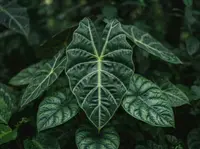
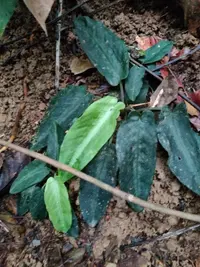
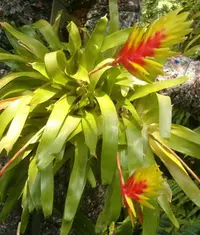
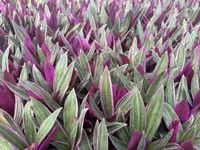
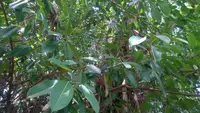
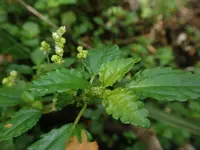
Pilea elliptica is a small tropical foliage plant from Central and South America, often found creeping or cascading in humid forest understories. It belongs to the nettle family but lacks stinging hairs, and it forms low, trailing mats of glossy, rounded to oval leaves with fine, textured veining. Compact growth and relatively shallow roots make it suitable for containers, terrariums, or hanging planters indoors. Its preference for stable warmth, even moisture, and high humidity means it is not the toughest houseplant but is manageable with consistent conditions. For those who can provide gentle light and avoid drying it out, it offers a good introduction to how to care for Pilea elliptica.

Main Plant Requirements

Care Difficulty

Moderate Care

Light Preference

Bright Indirect Light

Water Requirements

Keep Soil Moist

Temperature Preference

Tropical / Frost Sensitive

Hardiness Zone

11–12

Soil Texture

Loamy, Peaty, Organic-rich

Soil pH

Acidic (5.5–6.5), Slightly acidic (6.5–7.0)

Soil Drainage

Moist but well-drained

Fertilization

Light (every 4–6 weeks)

Get Personalized Care Plan

Scan your plant to receive care tips personalized for your specific plant

Available on iOS and Android

How to Care for the Pilea elliptica

This compact species prefers soft, filtered light that mimics a bright forest understory.

  • Provide bright, indirect light for 8–10 hours per day, such as an east-facing window or dappled shade under taller plants outdoors.
  • Tolerates light to medium shade, but growth of Pilea elliptica becomes looser and leaves smaller if light drops too low; move it closer to a brighter exposure if stems stretch.
  • Avoid harsh midday and afternoon sun, which can cause leaf scorch and pale, dry patches; increase distance from glass or add sheer curtains, especially in summer.

Moist but not saturated soil supports healthy roots and compact growth.

  • Allow the top 2–3 cm of soil to dry before watering, then water thoroughly so moisture reaches the root zone and excess drains away completely.
  • In spring and summer, you may need to water more often as growth and evaporation increase; in fall and winter, extend the drying period and use smaller amounts of water.
  • Watch for signs: drooping, thin leaves and dry, light soil indicate underwatering, while yellowing lower leaves, a sour smell, or constantly wet, heavy soil point to overwatering and poor drainage.

Stable, warm conditions similar to a tropical understory suit this species best.

  • Aim for 65–80°F (18–27°C) for active growth, with the warmest, brightest spot used in winter to compensate for lower light levels.
  • Keep it above 55°F (13°C); brief dips to 50°F (10°C) may be tolerated but can slow growth and increase risk of root problems.
  • Protect from frost and cold drafts near doors or windows, and from hot, dry air above heaters; at >85°F (>29°C) increase air movement and humidity to prevent leaf stress.

This species prefers moderately humid air and reacts quickly to very dry conditions.

  • Aim for 50–70% humidity to keep foliage dense and prevent leaf-edge crisping.
  • It tolerates short periods around 40% but prolonged dry air causes curling leaves, brown tips, and slower growth.
  • Increase humidity with a nearby tray of evaporating water, grouped plants, or a small room humidifier instead of frequent misting.

This plant prefers a loose, airy mix that drains fast yet retains some moisture.

  • Use a peat- or coco-coir-based mix with added perlite and fine bark to create a fibrous, well-structured medium.
  • Aim for slightly acidic to neutral pH around 6.0–7.0, which supports nutrient availability without leaf burn risk.
  • Ensure water drains through within seconds; if it lingers on top, lighten the mix with more perlite or coarse material.
  • Avoid dense garden soil, heavy clay, or mixes high in unprocessed compost that stay wet and suffocate roots.

This compact species is well suited to container growing.

  • Choose a wide, shallow pot to accommodate its spreading habit and keep the root zone evenly moist without waterlogging the center.
  • Select terracotta or unglazed clay if the mix stays wet longer than 3–4 days, as these materials allow faster evaporation.
  • Place the pot in a stable position where trailing stems cannot pull it off shelves or ledges as they elongate.

This plant responds well to light, consistent feeding during the active growing season.

  • Use a balanced liquid fertilizer (for example 10-10-10 or 20-20-20) diluted to 1/4–1/2 strength for Pilea elliptica in potting mix.
  • Apply every 4–6 weeks in spring and summer onto pre-watered soil, never onto dry roots.
  • Pause or reduce feeding to 1 light dose for the whole period during fall and winter when growth slows.
  • Organic options like diluted compost tea or a mild slow-release fertilizer can substitute synthetic products if applied sparingly.

Targeted pruning keeps Pilea elliptica compact and encourages denser foliage.

  • Carry out light pruning in spring or early summer, when growth is strongest.
  • Remove yellowing, dead, or damaged stems first, then thin crowded or leggy shoots back to a node.
  • Pinch or trim stem tips with clean scissors to encourage branching and a fuller mound or trailing habit.
  • Disinfect blades before and after use to limit disease spread, especially on multiple plants.

Container-grown plants benefit from occasional repotting to maintain healthy roots and stable growth.

  • Plan to repot every 1–2 years in spring, or when roots circle the pot base, emerge from drainage holes, or growth slows.
  • Choose a pot 2–3 cm wider with good drainage and use a light, airy, well-draining mix suited to tropical foliage plants.
  • Gently loosen circling roots, trim dead or mushy sections, and keep as much healthy root mass intact as possible.
  • Water thoroughly after repotting, then keep the plant shaded and slightly on the dry side for 3–5 days to reduce transplant shock.

Stem cuttings are the most reliable way to increase Pilea elliptica at home.

  • Take 5–8 cm stem cuttings with 2–3 nodes in late spring or summer using clean, sharp scissors.
  • Remove lower leaves, leaving at least 1–2 leaves above the top node to maintain photosynthesis.
  • Root cuttings in moist, well-draining mix or perlite at 70–80°F with bright, indirect light and high humidity.
  • Keep the medium slightly moist, not waterlogged; transplant rooted cuttings once new growth appears and resistance is felt when gently tugged.

This species is frost sensitive and needs mild, protected conditions over winter.

  • For container plants, move indoors before temperatures drop below 50°F, providing bright, indirect light.
  • Avoid exposure to frost or freezing drafts, which can damage foliage and stems quickly.
  • Water less often in winter, allowing the top mix to dry slightly more between waterings to reduce rot risk.
  • If grown outdoors in very mild climates, use mulch to insulate the root zone and shelter plants from cold winds.

Care Tips

Compact growth control

Pinch back the soft tips of stems every 4–6 weeks to keep the plant dense and prevent lanky growth, always using clean fingers or sterilized scissors to avoid disease entry points.

Edge protection strategy

Keep trailing stems slightly away from sharp pot rims or rough shelf edges by looping them over a smooth support or moss pole, which reduces mechanical damage and leaf tearing over time.

Gentle stem support

Guide longer, pendant stems over a low hoop, trellis, or the edge of a hanging pot so they do not kink at the soil line, which helps maintain good sap flow and reduces breakage.

Targeted pest scouting

Inspect the undersides of leaves and tight stem joints every 1–2 weeks with a hand lens if available, so early signs of spider mites or mealybugs can be treated before they spread along the mat-forming stems.

Clean foliage maintenance

Use a soft, slightly damp cloth or a gentle artist’s brush to remove dust from the small leaves every few weeks, which improves light capture and keeps air movement better through the foliage when caring for Pilea elliptica.

Common Pests and Diseases

Spider mites

This pest often appears on plants grown in warm, dry indoor air and causes stippled, faded foliage and fine webbing on leaf undersides and stems.

Solution

Increase humidity around the plant, rinse foliage thoroughly under a gentle shower or sink spray to remove mites and webs, then treat leaf undersides with insecticidal soap or a ready-to-use neem oil spray every 5–7 days until new growth looks clean.

Mealybugs

These insects show up as white, cottony clusters in leaf axils and on stems, sucking sap and causing distorted, weakened growth.

Solution

Isolate the plant, dab visible insects with cotton swabs dipped in 70% isopropyl alcohol, rinse the plant with lukewarm water, then follow up with 2–3 treatments of insecticidal soap at 7–10 day intervals while monitoring new growth for reinfestation as part of ongoing Pilea elliptica care instructions.

Fungal leaf spot

This disease produces small, water-soaked spots that turn brown with possible yellow halos, often starting on lower or densely shaded leaves.

Solution

Remove and discard affected leaves, avoid overhead watering, improve air movement around the plant, and allow the top of the potting mix to dry slightly between waterings; in persistent cases, apply a copper-based or broad-spectrum houseplant fungicide according to label directions.

Oedema

Symptoms include small, corky or blister-like bumps on the underside of leaves, often caused by the roots taking up water faster than the leaves can transpire it.

Solution

Reduce watering frequency, ensure the pot has free drainage, provide brighter indirect light, and keep temperature and humidity relatively stable so the plant can balance water uptake and loss; damaged tissue will not heal but new leaves should emerge normal once conditions are corrected.

Interesting Facts

Native understory creeper

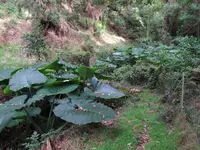
This species is native to humid tropical forests of Central and northern South America, where it naturally grows as a low understory creeper on shaded, mossy substrates rather than as an upright plant.

Elliptical leaf adaptation

Its small, elliptic leaves with a slight gloss are thought to help manage water on the leaf surface, shedding excess moisture efficiently in the constantly damp habitats where it grows.

Creeping node roots

The stems root easily at the nodes as they spread, allowing the plant to form dense, mat-like colonies that stabilize leaf litter and thin soil on forest floors or rock surfaces.

FAQs about Pilea elliptica

This species stays low and mounding, usually under 15–20 cm tall, but can spread wider with age. Stems may trail slightly over pot edges, making it suitable for small spaces, terrariums, and foreground plantings.

Grow Healthy Plants with Botan Care

Keep your plants happy and healthy with plant identification, disease detection, and easy care guidance.

Botan plant care app — identify plants on mobile

Explore More Plants