West Indian peperomia Care (Peperomia hernandiifolia)

West Indian peperomia

About West Indian peperomia

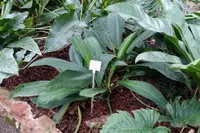
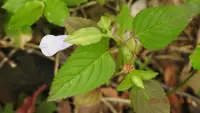
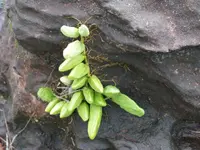
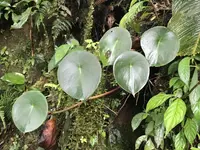
West Indian peperomia, Peperomia hernandiifolia, is a compact tropical perennial valued for its trailing stems and fleshy, heart-shaped leaves. It is usually grown as a small, cascading houseplant in hanging baskets or shallow pots.

This species comes from the Caribbean and parts of tropical America, where it grows in warm, humid forests, often on rocks or as an epiphyte on trees. Its thick leaves store some water, which makes it more forgiving of brief dryness and generally easy to manage indoors.

Light to moderate indirect light, slightly moist but airy soil, and good drainage are the main points to remember when learning how to care for West Indian peperomia.

Main Plant Requirements

Care Difficulty

Easy Care

Light Preference

Bright Indirect Light

Water Requirements

Moderate Water

Temperature Preference

Tropical / Frost Sensitive

Hardiness Zone

11–12

Soil Texture

Loamy, Peaty, Organic-rich

Soil pH

Acidic (5.5–6.5), Slightly acidic (6.5–7.0)

Soil Drainage

Well-drained

Fertilization

Light (every 4–6 weeks)

Get Personalized Care Plan

Scan your plant to receive care tips personalized for your specific plant

Available on iOS and Android

How to Care for the West Indian peperomia

This species prefers bright, indirect light that mimics dappled forest shade.

  • Provide 6–8 hours of bright, filtered light each day, such as near an east-facing window or under thin curtains that soften direct rays.
  • Tolerates partial shade, but growth becomes sparse and stems stretch if light is too low; move slightly closer to a light source if new leaves emerge small and pale.
  • Protect West Indian peperomia from harsh midday and afternoon sun, which can scorch foliage; in summer shift it a bit farther from strong windows or provide sheer shading.

This plant stores some moisture in its fleshy stems and leaves, so it prefers a moderate, not constant, supply of water.

  • Water when the top 2–4 cm of soil feel dry, using your finger to check; allow the pot to drain fully so roots do not sit in water.
  • In spring and summer, expect to water more often as growth and evaporation increase; in fall and winter, extend the drying period slightly between waterings.
  • Signs of overwatering include yellowing, soft leaves, and a sour soil smell; hard, wrinkling leaves and very light pots suggest Peperomia hernandiifolia is staying too dry.

Stable, warm conditions support compact growth and healthier foliage.

  • Aim for 65–80°F (18–27°C) as the main growing range; growth slows noticeably below 60°F (16°C).
  • Protect from cold drafts and sudden drops; it is damaged by frost and should not be exposed to temperatures below about 50°F (10°C).
  • Handles short spells up to 85°F (29°C) if humidity and watering are adequate, but prolonged heat above 90°F (32°C) can cause wilting and leaf drop.

This species prefers moderately humid air but usually adapts to most home environments.

  • Target 40–60% humidity; it tolerates brief dips drier than this but may grow more slowly.
  • In dry heated rooms, West Indian peperomia can show brown leaf edges, curling, or stalled new growth from low humidity.
  • Increase humidity by grouping plants, placing the pot on a pebble tray with water below the pot base, or running a small nearby humidifier.

This creeping epiphyte-like peperomia needs a loose, airy mix that drains quickly yet retains light, even moisture.

  • Use a substrate based on fine bark or coco coir with added perlite or pumice to create a fibrous, open structure.
  • Aim for a slightly acidic to neutral pH around 5.8–7.0, similar to many tropical houseplants.
  • Include 20–30% chunky material such as orchid bark to improve aeration around the roots and prevent compaction.
  • Avoid dense, clay-heavy, or peat-only mixes that stay wet for long periods, which can lead to root rot in Peperomia hernandiifolia.

This species is well suited to container growing, especially in shallow or trailing displays.

  • Choose a wide, shallow pot that allows its creeping stems to spread rather than a deep, narrow container focused on root depth.
  • Select a pot material that matches your watering habits, such as porous terracotta for heavier waterers and glazed ceramic for quicker-drying homes.
  • Ensure drainage holes are large and unobstructed so excess water exits rapidly, keeping the airy mix from turning waterlogged at the base.

This species stays compact and healthy with light, controlled feeding during active growth.

  • Use a balanced liquid fertilizer (around 10-10-10 or 20-20-20) diluted to 25–50% strength for West Indian peperomia.
  • Feed every 4–6 weeks in spring and summer when growth is noticeable.
  • Skip compost-heavy mixes; choose a salt‑lean, houseplant formula to avoid root burn in its fine root system.
  • Stop feeding in fall and winter, or limit to 1 very light application if the plant continues mild indoor growth.

Peperomia hernandiifolia benefits from occasional light pruning to keep stems dense and trailing neatly.

  • Trim in late winter or early spring before the main growth flush begins.
  • Remove dead, yellowing, or damaged leaves, plus any weak or tangled stems that crowd the plant center.
  • Pinch or cut just above a leaf node to encourage branching and a fuller, cascading shape.
  • Use clean, sharp scissors or small pruners, disinfected with alcohol, to limit disease spread.

This plant prefers slightly tight quarters and only needs infrequent repotting in well‑drained mix.

  • Check for roots circling the pot, pushing through drainage holes, or for unexplained slow growth as signs to repot.
  • Plan repotting in spring, every 2–3 years, moving only 2–3 cm up in pot diameter each time.
  • Use a loose, airy, peat‑ or coir‑based mix with added perlite or fine bark to protect its delicate roots from waterlogging.
  • Water lightly after repotting, keep in bright indirect light, and avoid heavy feeding for 3–4 weeks to reduce transplant stress.

This species is commonly propagated from stem or leaf cuttings under warm, humid conditions.

  • Take 5–8 cm stem cuttings with at least 2 nodes in late spring or summer when growth is active.
  • Insert cuttings into moist, airy mix and keep at 70–80°F with bright, filtered light for best rooting.
  • Maintain high humidity using a vented plastic cover, avoiding condensation dripping onto leaves.
  • Division of small clumps is possible during spring repotting, keeping each piece with healthy roots and several stems.

This tropical peperomia is frost‑tender and needs mild indoor conditions during winter in most climates.

  • Move outdoor containers indoors before temperatures drop near 50°F, keeping them away from cold drafts.
  • Maintain room temperatures around 60–75°F and provide bright, indirect light to prevent leggy growth.
  • Water sparingly in winter, letting the top 2–3 cm of mix dry to avoid cold, soggy roots and rot.

Care Tips

Encourage Trailing Habit

Place the pot on a shelf or in a hanging planter and gently drape new stems over the edge so the plant naturally trails rather than tangling on the soil surface.

Controlled Stem Propagation

When pruning, root 5–8 cm stem cuttings with at least 2 nodes in a small pot of the same mix and high humidity, then combine several rooted cuttings into one pot to create a fuller, denser plant.

Rotate For Even Growth

Turn the pot 90° every 1–2 weeks to prevent one-sided, leggy growth and to keep stems evenly distributed around the container.

Reduce Winter Handling

During the darkest, coolest months, avoid frequent repotting, division, or heavy pruning, since recovery is slower and physical stress can lead to stem collapse.

Inspect Hidden Stem Joints

Check the undersides of leaves and the nodes where stems branch every few weeks for early signs of mealybugs or scale, and wipe these areas with a cotton swab dipped in 70% isopropyl alcohol as part of caring for West Indian peperomia.

Common Pests and Diseases

Mealybugs

This pest appears as small white cottony clusters in leaf joints, along stems, and sometimes on roots, causing leaf yellowing and stunting.

Solution

Remove visible colonies with a cotton swab dipped in 70% isopropyl alcohol, then rinse foliage gently and isolate the plant; repeat every 5–7 days until no new insects appear, and improve light and airflow to support recovery as part of general Peperomia hernandiifolia plant care.

Fungus gnats

These insects are small dark flies that hover around the potting mix, with larvae feeding on fine feeder roots in consistently moist soil.

Solution

Allow the top 2–3 cm of the mix to dry between waterings, use yellow sticky traps for adults, and top-dress the soil with a 1–2 cm layer of coarse sand or fine gravel to reduce egg-laying; persistent issues can be managed with a biological control such as Bacillus thuringiensis israelensis (BTI) applied according to label directions.

Edema

Symptoms include small, corky, blister-like spots on leaves caused by the plant taking up water faster than it can transpire it, often in cool, very moist conditions.

Solution

Reduce watering frequency, avoid letting the plant sit in saucer water, and provide brighter indirect light and good airflow; new growth should form normally, though existing damaged spots will not disappear.

Botrytis blight

This disease causes soft, water-soaked areas on succulent leaves and stems that may develop gray, fuzzy mold, especially in cool, humid, and poorly ventilated conditions.

Solution

Promptly remove and discard all affected tissues, increase spacing and airflow, keep foliage dry, and water at the soil level; if conditions stay humid, a preventive application of a labeled houseplant-safe fungicide can help limit spread.

Interesting Facts

Lithophytic growth habit

This species is naturally lithophytic, meaning it often grows anchored in rock crevices or on rocky slopes in its native Caribbean habitats rather than in deep soil, using organic debris trapped in cracks as its rooting medium.

Creeping, rooting stems

Its succulent, creeping stems root easily at the nodes as they spread, allowing the plant to form mats that help stabilize thin soils and leaf litter on rocks and banks in humid forests.

Water-storing foliage

The thick, slightly fleshy leaves act as water-storage organs, an adaptation that helps the plant tolerate short dry spells on exposed rock surfaces where moisture drains away quickly.

FAQs about West Indian peperomia

This species performs best indoors or in sheltered, shaded outdoor spots in warm climates. It dislikes strong sun, cold drafts, and temperature swings. Stable indoor conditions usually provide more consistent growth than exposed outdoor positions in most regions.

Grow Healthy Plants with Botan Care

Keep your plants happy and healthy with plant identification, disease detection, and easy care guidance.

Botan plant care app — identify plants on mobile

Explore More Plants