


Encourage Compact Growth
Rotate the pot 90° every 1–2 weeks so the stems do not stretch toward one direction and the plant keeps a compact, evenly shaped mound.

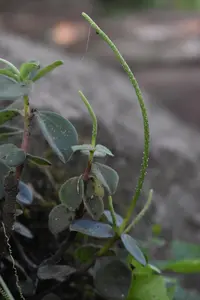
Peperomia increscens is a compact tropical understory plant from Central and South America, valued for its small, fleshy leaves and tidy growth habit. It usually forms low clumps that suit shelves, desks, and mixed plant displays indoors.
This species is an epiphyte or lithophyte in nature, meaning it often grows on trees or rocks rather than in heavy soil. As a result, it prefers airy, well-drained substrates and moderate, steady moisture without waterlogging.
Its slow to moderate growth, resilience to indoor conditions, and modest size make it suitable for beginners learning how to care for Peperomia increscens. It generally responds well to bright, indirect light and stable room temperatures.

Care Difficulty
Moderate Care

Light Preference
Bright Indirect Light

Water Requirements
Moderate Water

Temperature Preference
Tropical / Frost Sensitive

Hardiness Zone
11–12

Soil Texture
Loamy, Peaty, Organic-rich

Soil pH
Acidic (5.5–6.5), Slightly acidic (6.5–7.0)

Soil Drainage
Well-drained

Fertilization
Light (every 4–6 weeks)
Scan your plant to receive care tips personalized for your specific plant
Available on iOS and Android
This species prefers soft, filtered light similar to bright forest shade.
Watering should keep the root zone lightly moist but never saturated.
Stable, warm conditions support compact, healthy growth.
This species prefers moderate room humidity and usually adapts well indoors.
Use a very airy, fast-draining mix that still holds some moisture.
This species is well suited to container culture due to its compact root system.
This compact species stays healthy with modest, carefully diluted feeding during active growth.
Light pruning maintains a neat shape and removes weakened growth without stressing this small plant.
This species prefers slightly tight pots and only needs occasional repotting under good indoor conditions.
New plants are most often produced from small stem cuttings taken from healthy growth.
This tropical species is frost sensitive and needs mild indoor conditions during winter in most climates.

Plant Health Check
Not sure what's wrong with your plant? Check your plant's health inside the app.
Peperomia increscens is native to moist montane forests of Ecuador, where it often grows as an epiphyte on tree trunks and branches rather than in soil, taking advantage of high humidity and filtered light in the cloud-forest canopy.
This species has fleshy, often slightly bullate leaves, meaning the surface is subtly blistered or puckered, which increases surface area and helps manage water balance in its humid but well-drained habitat.
Like many Peperomia species, it produces slender, upright flower spikes, but in P. increscens these inflorescences stay relatively compact and fine, with tiny, inconspicuous flowers that mainly function to produce seed rather than attract showy pollinators.
This species generally performs better indoors in stable, warm conditions with filtered light and low drafts. Outdoor growth is only suitable in frost-free, humid, shaded locations. For most households, Peperomia increscens indoor care offers the most consistent results.
Keep your plants happy and healthy with plant identification, disease detection, and easy care guidance.

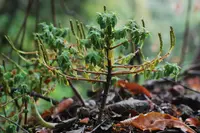
Peperomia leptophylla
Peperomia leptophylla
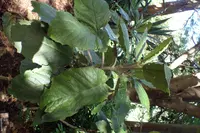
Telanthophora grandifolia
Telanthophora grandifolia

Philodendron 'McColley's Finale'
Philodendron 'McColley's Finale'
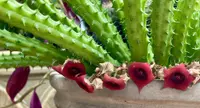
Red Dragon Flower
Huernia schneideriana
 POPULAR
Miniature wax plant
Hoya bella
Syagrus comosa
Syagrus comosa
pink knotweed
Persicaria capitata
Calathea
Goeppertia crocata 'Tassmania'