Microgramma vacciniifolia Care

Microgramma vacciniifolia

About Microgramma vacciniifolia

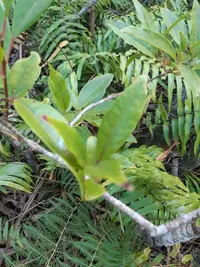
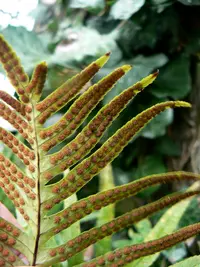
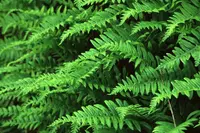
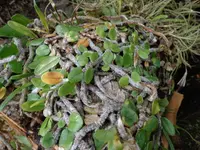
Microgramma vacciniifolia is a small epiphytic fern, often called a creeping or vining fern, valued for its delicate foliage and compact growth. It typically forms trailing rhizomes with small, oval to lance-shaped fronds that can drape over pots, mount on bark, or wander across surfaces.

This species is native to tropical and subtropical regions of South America, where it grows on trees or rocks in humid forests. It prefers moderate, filtered light, consistent but gentle moisture, and a very well-drained, airy substrate, which makes how to care for Microgramma vacciniifolia somewhat different from typical potted ferns. When its need for humidity and good air circulation is met, it is a relatively reliable plant for terrariums, mounted displays, or small indoor collections.

Main Plant Requirements

Care Difficulty

Moderate Care

Light Preference

Partial Shade

Water Requirements

Keep Soil Moist

Temperature Preference

Tropical / Frost Sensitive

Hardiness Zone

11–13

Soil Texture

Loamy, Peaty, Organic-rich

Soil pH

Acidic (5.5–6.5)

Soil Drainage

Moist but well-drained

Fertilization

Light (every 4–6 weeks)

Get Personalized Care Plan

Scan your plant to receive care tips personalized for your specific plant

Available on iOS and Android

How to Care for the Microgramma vacciniifolia

This epiphytic fern prefers soft, filtered light that mimics bright forest understory conditions.

  • Provide bright, indirect light with 3–4 hours of gentle morning sun and dappled or filtered shade for the rest of the day.
  • Protect fronds from harsh midday and afternoon sun, which can cause scorching, yellow patches, and crisp brown edges on Microgramma vacciniifolia.
  • In deeper shade, growth becomes sparse; increase light gradually, especially in winter, by moving closer to an east window or using a weak grow light.

This fern needs evenly moist conditions but is sensitive to stagnant water around its roots and rhizomes.

  • Water when the top 2–3 cm of the mix feels just barely dry, allowing moisture to remain slightly higher around the shallow roots.
  • Use a loose, fast-draining mix over bark or coarse material so water flows through quickly and does not pool around the rhizome.
  • In cooler months, let the surface dry a little deeper and watch for limp, curling fronds from underwatering or black, mushy rhizomes from overwatering.

This species prefers warm, stable conditions similar to a humid subtropical forest.

  • Aim for 65–80°F (18–27°C) for steady growth, with the warm end of the range promoting faster frond and rhizome development.
  • Protect the plant from temperatures below 50°F (10°C), as prolonged exposure near this level can stunt growth and damage foliage.
  • Avoid hot, stagnant air above 86°F (30°C); increase air movement and humidity while shading from intense sun during the hottest part of summer.

This fern prefers moderate to high humidity but adapts if air is not extremely dry.

  • Aim for 50–70% humidity to keep fronds lush and reduce tip browning.
  • Tolerates short dry spells, but prolonged air below 40% can cause crisping edges and slow growth.
  • Increase humidity with a room humidifier, grouped plants, or a pebble tray, avoiding misting that keeps fronds wet for long.

Microgramma vacciniifolia prefers a loose, airy, organic-rich mix that mimics its natural epiphytic habit.

  • Use a mix of fine orchid bark, peat or coco coir, and perlite or pumice in roughly equal parts for structure and drainage.
  • Aim for slightly acidic to neutral pH, around 5.5–7.0, which suits most peat- or coir-based mixes.
  • Keep the mix open and chunky so water drains in seconds while roots stay lightly moist, not compacted or waterlogged.
  • Avoid dense garden soil, heavy clay, or mixes that form a hard crust, as these limit aeration and invite root rot.

This species adapts well to container culture, including shallow, wide pots or hanging containers.

  • Choose a shallow but broad container so rhizomes can spread horizontally without forcing roots into a deep, wet column.
  • Opt for a breathable material such as terracotta if the mix stays wet for long, as it increases evaporation and root-zone oxygen.
  • Secure or hang the pot so trailing fronds have space to cascade without being crushed against walls or furniture, which can damage new growth.

Light, diluted feeding supports steady growth of Microgramma vacciniifolia without stressing its roots.

  • Use a balanced liquid fertilizer (around 10-10-10 or 20-20-20) diluted to 1/4–1/2 strength for container-grown plants.
  • Apply every 4–6 weeks during spring and summer when new fronds are forming.
  • Skip or drastically reduce feeding in fall and winter when growth slows.
  • Avoid heavy compost layers; a thin, well-decomposed top-dressing once a year is sufficient.

Pruning focuses on hygiene and light thinning rather than shaping this small epiphytic fern.

  • Best time is late winter to early spring, before active growth starts.
  • Remove dead, yellowing, or damaged fronds at the base using clean, sharp scissors or snips.
  • Thin out crowded or crossing rhizome sections to improve air flow and reduce rot risk.
  • Avoid hard cutting back; light, selective removal maintains the plant’s natural trailing form.

Repotting is infrequent and mainly needed when the fern outgrows its mount or shallow container.

  • Check for crowded, circling roots, reduced vigor, or quick-drying substrate as signs it needs more space.
  • Plan repotting or remounting in spring, every 2–3 years, when growth resumes.
  • Use a very loose, airy mix (orchid bark, perlite, and a little peat or coco coir) to mimic epiphytic conditions.
  • Handle rhizomes gently, keep original root ball mostly intact, and water lightly afterward to limit shock.

Propagation of Microgramma vacciniifolia is most reliable by dividing its creeping rhizomes.

  • Best season is spring, when new root growth starts and recovery is fastest.
  • Unpot or unmount the plant and cut the rhizome into sections, each with several fronds and healthy roots.
  • Plant divisions in a loose, moist, well-drained medium and keep humidity high with bright, indirect light.
  • Spores can be used but require sterile, consistently moist conditions and are slower and less predictable.

Winter care depends on climate, as this fern dislikes freezing temperatures and prolonged cold.

  • In regions below 40°F, grow in containers and overwinter indoors or in a greenhouse.
  • Maintain indoor temperatures around 60–75°F with bright, indirect light and moderate humidity.
  • Keep soil slightly moist but avoid waterlogging when growth slows in winter.
  • In mild climates, provide a light mulch around the root zone and shelter from cold, drying winds.

Care Tips

Use mounting slabs

Attach rhizomes to cork, hardwood, or fern fiber slabs with soft ties or horticultural wire, then top-dress lightly with sphagnum moss to mimic epiphytic growth and improve long-term root health.

Rhizome direction control

Gently guide creeping rhizomes along a chosen line or surface and secure new segments loosely, so the plant forms an even mat rather than wandering out of its display area.

Segmented division timing

When the plant forms a dense mat, divide it only in warm, active growth periods by cutting rhizomes into sections with at least 3–4 fronds each and re-establishing them on fresh mounts or shallow pots.

Targeted foliar cleaning

Wipe fronds and exposed rhizomes with a soft, barely damp cloth or brush a few times a year to remove dust and improve light capture, avoiding any leaf shine products that can clog pores.

Preventive pest inspection

Inspect the undersides of fronds and rhizomes every few weeks for scale or mealybugs, and if found, isolate the plant and treat early with cotton swabs dipped in isopropyl alcohol before infestations spread when caring for Microgramma vacciniifolia.

Common Pests and Diseases

Scale insects

This pest attaches to rhizomes and leaf undersides, sucking sap and causing yellowing, stunting, and weak fronds. Symptoms include small, dome-shaped brown or tan bumps that do not move when touched.

Solution

Isolate the plant, then gently scrape or wipe scales off rhizomes and fronds with cotton pads dipped in 70% isopropyl alcohol, repeating weekly until no new insects appear. For larger infestations, use a targeted horticultural oil spray labeled for ferns, applied in the evening and repeated as directed, and improve air circulation to reduce stress on the plant.

Rhizome mealybugs

These insects hide in the creeping rhizomes and at the base of fronds, feeding on plant sap and causing slow decline, yellowing, and poor new growth. Symptoms include white, cottony clusters in crevices along the rhizome and at soil level.

Solution

Unpot the plant carefully and inspect the entire rhizome, then remove visible mealybugs with cotton swabs dipped in alcohol and rinse the rhizome under lukewarm water. Repot into fresh, well-draining medium and use a systemic insecticide labeled safe for ferns if the infestation is persistent, checking monthly for any reappearance while focusing on stable humidity and moderate light to support recovery.

Spider mites

These pests appear in dry indoor air, causing fine stippling, dull fronds, and in heavier cases, delicate webbing between pinnae and along the rachis. This pest thrives on thin-textured fern fronds, leading to gradual browning and premature leaf drop.

Solution

Shower the plant with a gentle stream of lukewarm water, focusing on the undersides of fronds, then increase humidity to 50–60% and avoid placing the plant near heating vents. For continuing issues, apply insecticidal soap or a light horticultural oil to both sides of the fronds at 7–10 day intervals, always testing a small section first since some ferns are sensitive to sprays.

Rhizoctonia leaf and rhizome blight

This disease develops in warm, stagnant, and wet conditions, causing water-soaked spots on fronds that turn brown and spread along the creeping rhizome. Symptoms include sunken, dark lesions at the rhizome nodes and collapsing fronds near the affected area.

Solution

Remove and discard all affected fronds and visibly infected rhizome parts with sterilized tools, then allow the medium to dry slightly between waterings and improve airflow around the plant. Repot into a fresh, airy fern mix if the rhizome is extensively affected, and use a fungicide labeled for Rhizoctonia on ornamental ferns if the problem continues, following label directions closely as part of broader Microgramma vacciniifolia care instructions.

Interesting Facts

Ant-associated fern

This species often grows near ant nests on tree trunks or rocks, and its creeping rhizomes can exploit microhabitats enriched by ant activity, such as higher nutrients and moisture.

Miniature frond structure

The plant has small, entire-margined fronds that resemble tiny leaves of Vaccinium (blueberry), which is reflected in the species name vacciniifolia, meaning with leaves like Vaccinium.

Epiphytic rock specialist

It occurs both as an epiphyte on tree bark and as a lithophyte on exposed rocks in Atlantic Forest regions of Brazil, showing a strong capacity to anchor on hard, low-organic surfaces.

Botan icon

Did you know?

Genetic and morphological studies place this species within a distinct Neotropical clade of Microgramma that diversified in the Atlantic Forest, making it a useful model taxon for understanding fern evolution and biogeography in this threatened hotspot.

FAQs about Microgramma vacciniifolia

This fern spreads by thin, creeping rhizomes that run over bark, rock, or soil. It does not twine like a vine but gradually forms a mat, draping or scrambling over surfaces rather than growing upright.

Grow Healthy Plants with Botan Care

Keep your plants happy and healthy with plant identification, disease detection, and easy care guidance.

Botan plant care app — identify plants on mobile

Explore More Plants