


Divide Mature Clumps
Every 3–4 years, lift and gently divide congested rhizome clumps in early spring, replanting firm, healthy sections with several fronds to maintain vigor and create new plants.

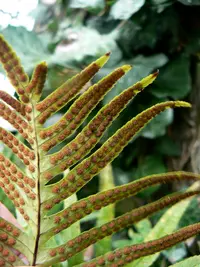
Southern polypody (Polypodium cambricum) is a small evergreen fern valued for its tidy clumps of arching, divided fronds. It forms low mounds that sit neatly on rocks, walls, or at the front of shaded borders.
In nature it grows on cliffs, rocky banks, and old stonework across parts of western and southern Europe. This background makes it well suited to cool, mild climates and sheltered garden spots.
The plant is generally easy to manage if its basic needs are met. Light shade, consistent moisture, and free-draining but humus-rich soil support healthy growth. These traits make it straightforward to care for Southern Polypody in many home gardens.

Care Difficulty
Moderate Care

Light Preference
Partial Shade

Water Requirements
Keep Soil Moist

Temperature Preference
Cool Climate

Hardiness Zone
6–9

Soil Texture
Loamy, Peaty, Organic-rich

Soil pH
Acidic (5.5–6.5), Slightly acidic (6.5–7.0)

Soil Drainage
Moist but well-drained

Fertilization
Minimal (feed rarely)
Scan your plant to receive care tips personalized for your specific plant
Available on iOS and Android
This fern prefers soft, filtered light that mimics woodland shade conditions.
This fern prefers consistently moist but not waterlogged soil.
This hardy fern tolerates cool conditions but grows best in mild, stable temperatures.
This fern prefers moderate to high humidity for best frond quality.
Polypodium cambricum thrives in loose, airy, humus-rich substrates that mimic woodland leaf litter.
This species adapts well to container growing when moisture and drainage are carefully balanced.
This fern grows steadily with light feeding, so Southern Polypody indoor care should focus on gentle, infrequent fertilizer use.
Polypodium cambricum needs only light pruning to keep fronds healthy and the clump tidy.
This fern has creeping rhizomes that prefer shallow, stable conditions, so repotting or transplanting should be limited and gentle.
This fern is most reliably multiplied by careful division of its creeping rhizomes.
This fern is generally cold hardy in temperate climates and needs only modest winter attention in the ground.

Plant Health Check
Not sure what's wrong with your plant? Check your plant's health inside the app.
This fern keeps its leathery, bright green fronds through mild winters in its native range, so it often remains photosynthetically active when many other woodland plants are dormant.
Unlike many ferns that favor acidic substrates, it naturally colonizes calcareous cliffs, walls, and limestone or mortar-rich rocks, showing a clear preference for alkaline conditions.
Its fronds have broad, rounded segments with shallow, open sinuses, giving a softer outline than most related polypodies and making it relatively easy to distinguish in the field.

Historical herbals from parts of western Europe recorded this species under names such as oak fern or Welsh polypody and noted its association with old stone walls, so it became a traditional indicator of long-established, relatively undisturbed landscapes.
This fern spreads slowly to moderately by short creeping rhizomes and spores. It usually forms small clumps or loose patches rather than taking over beds, but in ideal woodland-like conditions it can gradually expand if not divided.
Keep your plants happy and healthy with plant identification, disease detection, and easy care guidance.

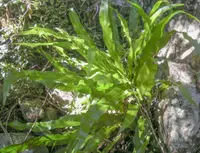
Elkhorn fern
Microsorum punctatum
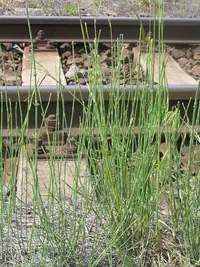
branched scouringrush
Equisetum ramosissimum
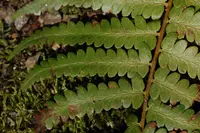
southern woodfern
Dryopteris ludoviciana
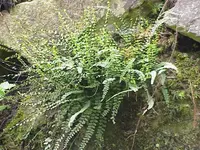
maidenhair spleenwort
Asplenium trichomanes

Braun's hollyfern
Polystichum braunii
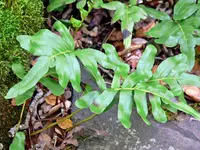
leathery polypody
Polypodium scouleri
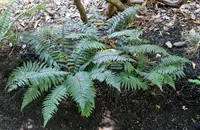
Korean rock fern
Polystichum luctuosum

Japanese Holly Fern
Cyrtomium falcatum 'Rochfordianum'