Mounting on slabs
Attach the rhizomes to a rot-resistant wood slab or cork bark with nylon fishing line, then pack damp long-fiber sphagnum around them to mimic the plant’s natural epiphytic habit and improve aeration around the roots.

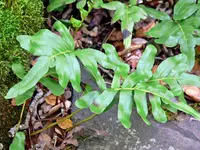
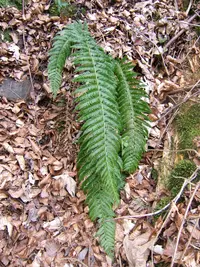
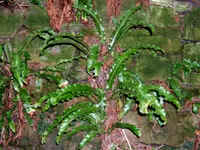
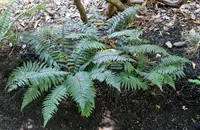
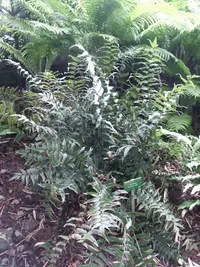
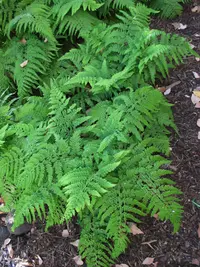
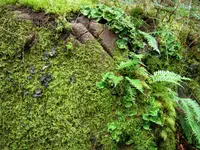
Leathery polypody (Polypodium scouleri) is an evergreen fern native to coastal cliffs and forests along the Pacific coast of North America. It often grows on rocks, tree trunks, or mossy ledges, forming low, dense clumps.
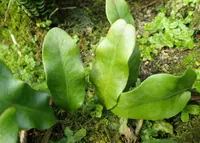
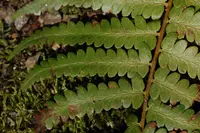
Its fronds are thick, leathery, and glossy, which helps it tolerate strong coastal winds and salt spray. This durable foliage also makes it slower to dry out than many finer ferns.
In cultivation it prefers cool, humid conditions, soft light, and consistently moist but well-drained, organic-rich substrates. These traits make it moderately easy to grow if its moisture and humidity needs are met and provide a clear guide on how to care for leathery polypody.

Care Difficulty
Moderate Care

Light Preference
Partial Shade

Water Requirements
Moderate Water

Temperature Preference
Cool Climate

Hardiness Zone
8–10

Soil Texture
Sandy, Loamy, Organic-rich

Soil pH
Acidic (5.5–6.5)

Soil Drainage
Moist but well-drained

Fertilization
Minimal (feed rarely)
Scan your plant to receive care tips personalized for your specific plant
Available on iOS and Android
This coastal fern prefers bright, indirect light and gentle sun exposure rather than harsh, all-day sun.
This fern prefers consistently moist but not waterlogged soil, with slight surface drying between waterings.
This species is adapted to mild, coastal climates and prefers cool to moderate temperatures without strong extremes.
This species prefers consistently moist air and reacts to extended dryness.
This fern needs loose, organic, and fast-draining soil that still holds some moisture.
This fern is well suited to container growing when the pot supports its spreading rhizomes and moisture needs.
This coastal fern grows in low-nutrient habitats and usually needs minimal feeding in cultivation.
Pruning Polypodium scouleri focuses on hygiene rather than shaping.
This fern is often grown in the ground or on structures, so transplanting is more common than frequent repotting.
Polypodium scouleri is most reliably propagated by rhizome division rather than from spores.
This fern is relatively cold hardy in mild coastal climates and often needs little special winter care outdoors.

Plant Health Check
Not sure what's wrong with your plant? Check your plant's health inside the app.
This fern naturally occurs on coastal cliffs and sea stacks from British Columbia to central California, often rooted in thin soil pockets on exposed, wind-battered rock faces just above the spray zone.
Unlike most ferns, it tolerates salt-laden air and occasional salt spray, with thick, leathery leaf tissue that reduces water loss and physical damage from coastal winds.
In much of its range it remains evergreen year-round, maintaining functional fronds even in winter on exposed coasts where many other fern species cannot persist.

This species often grows in association with the lichen genus Lobaria and other moisture-loving epiphytes on coastal trees and rocks, forming distinctive microhabitats that indicate stable, humid ocean-influenced climates.
This fern spreads slowly to moderately via short rhizomes, forming small clumps or low patches over time. It is not considered aggressive and rarely becomes problematic, even in mild, moist coastal gardens or shaded rockeries.
Keep your plants happy and healthy with plant identification, disease detection, and easy care guidance.