Mulch For Rhizomes
Apply a 5–8 cm layer of fine bark or leaf mold over the root zone, keeping it just clear of the crowns, to keep the rhizomes cool, conserve moisture, and reduce soil splashing that can spread fungal spores.

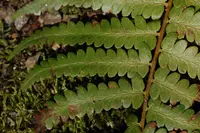
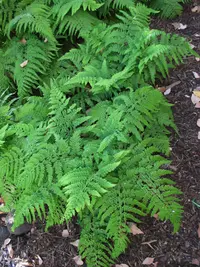
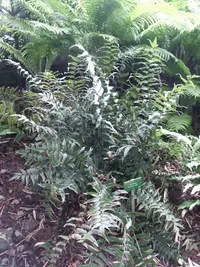
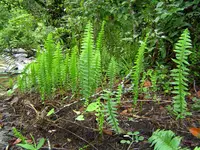
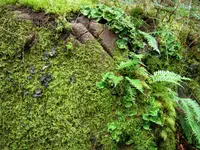
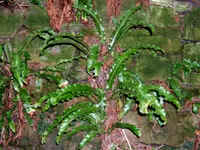
Southern woodfern, Dryopteris ludoviciana, is a semi-evergreen fern native to the southeastern United States, often found in moist woodlands and shaded wetlands. It forms upright clumps with tall, glossy, dark green fronds that create a strong vertical accent in shaded gardens.
This fern spreads slowly by short creeping rhizomes, remaining relatively tidy and easy to manage in landscape settings. Its tolerance of heat and humidity makes it suitable for many warm, shaded sites.
Gardeners who want to care for southern woodfern should know it prefers consistent moisture, rich organic soil, and protection from hot direct sun, which supports healthy, long-lived fronds.

Care Difficulty
Easy Care

Light Preference
Partial Shade

Water Requirements
Keep Soil Moist

Temperature Preference
Warm Climate

Hardiness Zone
6–9

Soil Texture
Loamy, Silty, Organic-rich

Soil pH
Acidic (5.5–6.5), Slightly acidic (6.5–7.0)

Soil Drainage
Moist but well-drained

Fertilization
Minimal (feed rarely)
Scan your plant to receive care tips personalized for your specific plant
Available on iOS and Android
This fern prefers bright, filtered light that mimics a woodland understory.
This species prefers consistently moist but not waterlogged soil.
This fern is adapted to warm-temperate climates with mild winters and humid summers.
This fern prefers consistently moist air and responds well to moderate to high humidity.
This species grows best in moist, humus-rich soil that drains freely yet never dries out completely.
This fern adapts well to container growing outdoors in shaded or semi-shaded sites.
This fern grows well in modest soils, but light feeding supports denser, greener fronds in containers or poor ground.
Selective pruning keeps Dryopteris ludoviciana tidy and reduces disease pressure without altering its natural arching form.
This fern is most often grown in the ground, with transplanting needed only when clumps outgrow their space or soil declines.
Division is the most practical method for home gardeners to increase Dryopteris ludoviciana while keeping plants true to type.
This fern is relatively cold hardy in much of its range and usually needs only minimal winter care in the landscape.

Plant Health Check
Not sure what's wrong with your plant? Check your plant's health inside the app.
In much of its native range in the southeastern United States, this fern behaves as semi-evergreen, holding its fronds through mild winters instead of fully dying back like many temperate ferns.
This species is adapted to wet woods, swamps, and stream margins and can tolerate periodic flooding and saturated soils better than many other ornamental ferns.
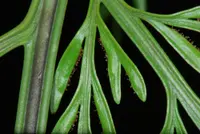
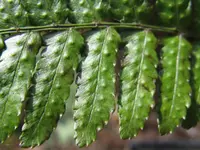
Its fronds grow in a distinctly upright, vase-like clump and have a noticeable glossy surface, which helps distinguish it from many matte-leaved woodland ferns.

This fern often appears as a dominant understory species in seasonally flooded bottomland forests of the US Gulf Coast states, where its dense stands can significantly influence soil moisture retention and microhabitat conditions for small animals and other shade plants.
This species is semi-evergreen in many mild climates, holding fronds through winter unless temperatures drop well below freezing. In colder regions it may die back to the crown, then re-sprout fresh fronds in spring.
Keep your plants happy and healthy with plant identification, disease detection, and easy care guidance.