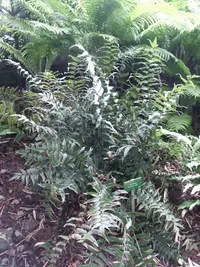
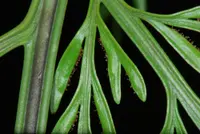
Frond renewal
Allow older, yellowing fronds to die back naturally, then remove them cleanly at the base to encourage fresh, dense growth and maintain good air movement through the clump.

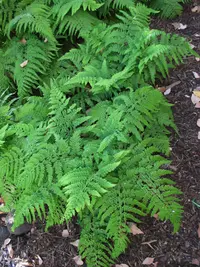
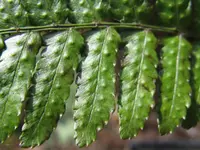
Palapalai (Microlepia strigosa) is a finely textured fern known for its light, lacy fronds and softly arching growth habit. It forms loose clumps rather than stiff, upright crowns. This species is native to tropical and subtropical regions, especially in Hawaiʻi and parts of Asia, where it grows in moist, shaded forests. Its preference for consistent moisture, humidity, and protection from harsh sun influences how to care for palapalai in home settings. With stable conditions and well-drained, humus-rich soil, it can adapt to indoor or sheltered outdoor spaces and provide a delicate, airy look.

Care Difficulty
Moderate Care

Light Preference
Partial Shade

Water Requirements
Keep Soil Moist

Temperature Preference
Tropical / Frost Sensitive

Hardiness Zone
10–11

Soil Texture
Loamy, Peaty, Organic-rich

Soil pH
Acidic (5.5–6.5)

Soil Drainage
Moist but well-drained

Fertilization
Light (every 4–6 weeks)
Scan your plant to receive care tips personalized for your specific plant
Available on iOS and Android
Microlepia strigosa prefers bright, filtered light similar to the dappled shade of a forest understory.
This fern needs consistently moist but not waterlogged soil to stay healthy.
This fern thrives in mild, frost-free conditions with stable temperatures.
This fern prefers consistently moist air and reacts quickly to dry indoor conditions.
Microlepia strigosa needs a light, moisture-retentive yet airy substrate to keep roots evenly damp but not stagnant.
This species adapts well to container growing when moisture and stability are carefully managed.
Microlepia strigosa benefits from light, consistent nutrition but is sensitive to overfeeding.
Microlepia strigosa pruning focuses on hygiene and maintaining a tidy, airy clump.
This fern prefers slightly snug conditions but benefits from occasional repotting or careful garden transplanting.
Microlepia strigosa is most practically propagated by division rather than from spores for home growers.
This fern has limited frost tolerance and needs protection in colder climates, especially in containers.

Plant Health Check
Not sure what's wrong with your plant? Check your plant's health inside the app.
In Hawaiian culture, palapalai fronds are a traditional material for hula leis and adornments, valued for their fine texture and graceful, arching form.
This species is native to Hawaii and commonly grows in moist forest understories and gulches, where its spreading rhizomes help stabilize soil on slopes.
The fern’s main frond stalk, called the rachis, is noticeably rough and hairy, a trait that inspired the species name strigosa, meaning covered with stiff hairs in botanical Latin.

Palapalai was historically associated with Laka, the Hawaiian deity of hula, and is still used ceremonially in some hula traditions, giving this fern a recognized cultural status far beyond its ornamental value.
Growth is moderately fast under stable moisture, shade, and warmth. New fronds often appear continuously during the growing season, with clumps expanding 5–15 cm per year. Growth slows in low humidity, poor soil, or inconsistent watering.
Keep your plants happy and healthy with plant identification, disease detection, and easy care guidance.