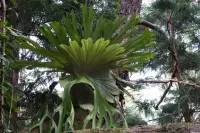
Japanese Holly Fern Care (Cyrtomium falcatum 'Rochfordianum')

Also known as: Rochford's Holly Fern

About Japanese Holly Fern

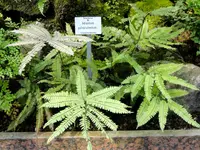
Japanese holly fern, Cyrtomium falcatum 'Rochfordianum', is an evergreen fern valued for its glossy, holly-like leaflets and tidy, arching fronds. It forms a compact clump that fits well in containers, shaded borders, or as an understory accent plant.

This fern is native to shaded, humid habitats in East Asia, often growing on rocky slopes or forest floors. Its tolerance of lower light, cool conditions, and brief periods of dryness makes it easier to manage than many delicate ferns, which helps when learning how to care for Japanese Holly Fern.

It generally prefers consistent moisture, good drainage, and protection from hot, direct sun, which together support its steady, moderate growth habit indoors or outdoors in mild climates.

Main Plant Requirements

Care Difficulty

Moderate Care

Light Preference

Partial Shade

Water Requirements

Keep Soil Moist

Temperature Preference

Warm Climate

Hardiness Zone

6–9

Soil Texture

Loamy, Peaty, Organic-rich

Soil pH

Acidic (5.5–6.5), Slightly acidic (6.5–7.0)

Soil Drainage

Moist but well-drained

Fertilization

Light (every 4–6 weeks)

Get Personalized Care Plan

Scan your plant to receive care tips personalized for your specific plant

Available on iOS and Android

How to Care for the Japanese Holly Fern

This fern prefers soft, filtered light that mimics woodland shade conditions.

  • Provide bright, indirect light or dappled shade, with 2–4 hours of gentle morning sun and protection from harsh midday and afternoon sun.
  • Japanese Holly Fern tolerates partial to full shade outdoors, but foliage becomes thinner and more open if grown in very deep shade.
  • In summer, use shade from trees or a shade cloth; in winter, allow more light by thinning overhead cover or using a brighter window indoors.

This fern prefers consistently moist but not saturated soil throughout the growing season.

  • Water when the top 2–3 cm of soil feel slightly dry, aiming for evenly damp soil from spring to early fall, especially during warm, windy periods.
  • Ensure soil drains freely; soggy conditions cause blackened, limp fronds and a sour smell, signs of overwatering and potential root rot.
  • In cooler months, reduce frequency so the surface dries a bit deeper, but avoid letting Cyrtomium falcatum 'Rochfordianum' fully dry, which leads to crisp, browning frond tips.

This fern prefers mild, stable temperatures with protection from frost and extreme heat.

  • Ideal growth occurs around 60–75°F (16–24°C), with steady conditions helping fronds stay dense and healthy.
  • It tolerates brief drops to about 25–30°F (-4 to -1°C) once established, but repeated hard freezes can damage fronds, which may die back and then regrow from the crown.
  • In hot climates above 85°F (29°C), provide extra shade and soil moisture; protect from hot, drying winds and reflective heat from walls or pavement.

This fern prefers consistently moist air, so humidity is an important part of Japanese Holly Fern indoor care.

  • Aim for 50–70% humidity; sustained levels below 40% often cause browning leaf tips and crisp fronds.
  • Watch for pale, curling fronds and slow growth as signs of humidity stress, especially in heated or air-conditioned rooms.
  • Increase humidity with a pebble tray under the pot, grouping plants, or a small humidifier rather than frequent misting.

This fern performs best in evenly moist, loose, organic-rich soil that drains freely but does not dry out quickly.

  • Use a mix of 50–60% peat or coco coir, 20–30% compost, and 20–30% perlite or fine bark to create a crumbly, moisture-retentive substrate.
  • Aim for slightly acidic to neutral pH (6.0–7.0), avoiding strongly alkaline mixes that can lock up nutrients and reduce vigor.
  • Improve aeration and drainage by avoiding heavy garden soil and adding extra perlite or bark if the mix compacts or stays wet longer than 3–4 days.
  • For Cyrtomium falcatum 'Rochfordianum', keep the soil evenly damp but never waterlogged, and prevent standing water in saucers to reduce root rot risk.

This species grows well in containers when moisture and stability are managed carefully.

  • Choose a pot slightly wider than the rootball but not overly deep, which helps the mix dry evenly and reduces waterlogging in the lower zone.
  • Use heavier clay or ceramic containers outdoors to keep the plant stable against wind and to slow evaporation in hot conditions.
  • Raise the pot on feet or bricks so drainage holes stay clear, allowing excess water to exit quickly during heavy rain or deep watering.

This fern benefits from light, consistent feeding during active growth but reacts poorly to heavy fertilizer.

  • Use a balanced liquid fertilizer (for example 10-10-10) at 1/4–1/2 strength every 4–6 weeks in spring and summer.
  • Alternatively, apply a thin layer of compost or a low-dose slow-release fertilizer to the potting mix surface.
  • Flush the pot with plain water every few months to prevent salt buildup around the roots.
  • Stop feeding Japanese Holly Fern in late fall and through winter when growth slows or stops.

Pruning focuses on removing old or unhealthy fronds to keep Cyrtomium falcatum 'Rochfordianum' tidy and healthy.

  • Best time for pruning is late winter to early spring, before strong new growth starts.
  • Cut dead, yellowing, or damaged fronds at the base using clean, sharp scissors or pruners.
  • Remove crowded or crossing fronds to improve air flow and reduce disease risk in dense clumps.
  • Light, selective pruning maintains the plant’s natural arching form without stressing the root system.

This fern prefers slightly snug containers and does not need frequent repotting.

  • Check for roots circling the pot, escaping drainage holes, or slowed growth as signs it needs more space.
  • Plan to repot every 2–3 years in early spring, moving to a container only 2–5 cm wider.
  • Use a moisture-retentive, well-drained mix and keep the crown at the same depth when shifting the plant.
  • Water thoroughly after repotting, keep out of strong sun, and maintain even moisture to reduce root stress.

Division is the most practical way to increase Cyrtomium falcatum 'Rochfordianum' for home growers.

  • Divide mature, healthy clumps in early spring when new fronds just start to emerge.
  • Lift the plant carefully and split the root mass into sections, each with several fronds and firm rhizomes.
  • Replant divisions into fresh, well-drained mix, keeping crowns level with the soil surface.
  • Maintain high humidity, moderate indirect light, and evenly moist soil until new growth shows establishment.

This fern has moderate cold tolerance but benefits from simple winter protection in cooler regions.

  • In USDA zones around 7–9, outdoor plants often overwinter with minimal damage if soil drains well.
  • Apply a 5–8 cm layer of leaf mold or mulch around the root zone, keeping it off the crown.
  • For containers, move plants indoors or to a sheltered porch before hard frost, keeping temperatures above 35–40°F.
  • Reduce watering in winter, allowing the top layer of soil to dry slightly between waterings to prevent rot.

Care Tips

Use wider pots

Select a pot that is wider than it is tall so the shallow, spreading rhizomes can expand horizontally without becoming crowded, and repot before the root mass forms a tight circling mat.


Divide for renewal

Every 3–4 years, lift and divide the rhizomes into several clumps with at least 3–4 fronds each, then replant slightly raised in fresh mix to maintain vigor and prevent the center from thinning out.

Top-dress instead of digging

Once the pot is established, avoid disturbing the rhizomes and instead apply a thin top-dressing of fresh, fine-textured compost or potting mix each spring to refresh nutrients and encourage new surface roots.

Protect fronds from splashing

When overhead watering is unavoidable, water early in the day and reduce splashing onto fronds to limit leaf spotting and fungal issues, especially in dense shade or cool rooms.

Rotate between microclimates

In warm months, place the plant in a shaded, protected outdoor spot to benefit from higher airflow and natural light levels, then move it back indoors before temperatures fall below 50°F to support long-term success in caring for Japanese Holly Fern.

Common Pests and Diseases

Scale insects

This pest feeds on fronds and stems, causing yellowing, speckling, and overall decline, especially on older, leathery foliage. Small brown or gray bumps often appear along the midribs and undersides of fronds.

Solution

Remove heavily infested fronds and gently scrape or wipe scale off remaining fronds with a cotton pad dipped in alcohol, then rinse with lukewarm water. For persistent problems, use repeated applications of a light horticultural oil labeled safe for ferns, applied in the evening and followed by good air circulation but no direct sun on wet fronds.

Mealybugs

These insects hide in leaflet bases and along the rachis (central leaf stalk), leaving white cottony clusters and sticky honeydew that can lead to sooty mold. Symptoms include distorted new fronds and slowed growth, especially on indoor plants with low airflow.

Solution

Isolate affected plants, then dab visible mealybugs with cotton swabs dipped in alcohol before rinsing the foliage. For Japanese Holly Fern indoor care, follow up with a mild insecticidal soap or neem oil spray applied to all frond surfaces every 7–10 days until no new insects are seen, avoiding oversaturation of the soil.

Fern scale (armored scale)

This pest forms hard, flat, brown to gray shells tightly attached to frond surfaces, often along the midrib and lower frond sections. Symptoms include patchy yellowing, premature frond drop, and weak new growth.

Solution

Prune and discard the most affected fronds, then gently scrub remaining scale with a soft brush under running water to dislodge the insects. Follow with a series of light horticultural oil treatments targeting the undersides and midribs of fronds, and maintain stable, moderate humidity to keep the plant less stressed and more resilient.

Leaf spot

This disease causes small water-soaked or dark brown spots on leaflets that may coalesce into larger blotches, sometimes with a yellow halo. Symptoms include thinning fronds and an overall patchy appearance, especially in crowded or poorly ventilated sites.

Solution

Remove and discard spotted fronds, then improve air circulation and avoid overhead watering so fronds dry quickly. If spotting continues, apply a fungicide labeled for ornamental ferns, treating both surfaces of the fronds and keeping foliage dry between waterings.

Rhizoctonia blight

This disease starts as irregular brown lesions at the base of fronds and can lead to collapse of young or crowded plants, especially in warm, overly moist conditions. Symptoms include frond wilting at the soil line and rotting of crowns where fronds emerge.

Solution

Cut and discard affected fronds and any soft crown tissue, then reduce watering and increase airflow around the plant. Replant in a loose, well-drained fern mix and, if the plant is valuable or the problem recurs, use a systemic fungicide labeled for Rhizoctonia on ornamental ferns, following label directions carefully.

Interesting Facts

Naturally coastal adapted

This cultivar originates from populations of Cyrtomium falcatum that naturally grow on rocky sea cliffs and coastal slopes in East Asia, so it tolerates salt-laden air better than many other ferns.

Sickle-shaped leaflets

Its pinnae are distinctly falcate, or sickle-shaped, with a firm, leathery texture and glossy surface that help reduce water loss in exposed habitats.

Ornamental spore pattern

The undersides of the fronds display neat rows of rounded sori, the spore-producing structures, which form a regularly spaced pattern that is often used by botanists to distinguish this species from similar ferns.

FAQs about Japanese Holly Fern

This species is semi-evergreen to evergreen in mild climates, holding fronds year-round where winters are not too harsh. In colder areas, foliage may die back with hard frosts but typically regrows from the crown in spring.

Grow Healthy Plants with Botan Care

Keep your plants happy and healthy with plant identification, disease detection, and easy care guidance.

Botan plant care app — identify plants on mobile

Explore More Plants