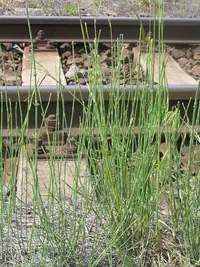
nested polypody Care (Polypodium calirhiza)

nested polypody

About nested polypody

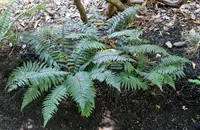
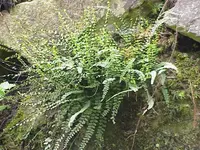
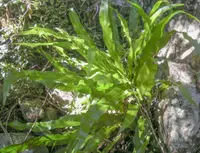
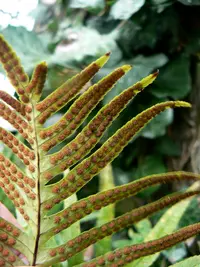
Nested polypody (Polypodium calirhiza) is a small to medium evergreen fern native to western North America, often found on rocky slopes, forest floors, and tree trunks. It forms tight, nest-like clumps of arching fronds that emerge from creeping rhizomes, giving it a compact, layered look. The fronds are usually leathery and divided, which helps the plant tolerate periods of dryness better than many other ferns. This species prefers cool, shaded to partially shaded spots with steady moisture and well-drained, humus-rich soil. Its moderate drought tolerance and slow, steady growth make it reasonably forgiving for those learning how to care for nested polypody as an indoor or outdoor accent fern.

Main Plant Requirements

Care Difficulty

Moderate Care

Light Preference

Partial Shade

Water Requirements

Moderate Water

Temperature Preference

Warm Climate

Hardiness Zone

7–10

Soil Texture

Loamy, Rocky, Organic-rich

Soil pH

Acidic (5.5–6.5), Slightly acidic (6.5–7.0)

Soil Drainage

Moist but well-drained

Fertilization

Minimal (feed rarely)

Get Personalized Care Plan

Scan your plant to receive care tips personalized for your specific plant

Available on iOS and Android

How to Care for the nested polypody

Polypodium calirhiza thrives in bright, filtered light that mimics woodland shade.

  • Provide 2–4 hours of soft morning sun with dappled or bright indirect light for the rest of the day; avoid intense afternoon sun that can scorch fronds.
  • Site nested polypody under open tree canopy, on shaded banks, or north/east exposures where it receives partial shade for much of the day.
  • In summer, increase shade if fronds yellow or crisp at the edges; in winter, allow slightly more direct light where deciduous trees drop leaves.

This fern prefers evenly moist but not saturated soil throughout the active growing season.

  • Water when the top 2–3 cm of soil feel dry, then moisten thoroughly so water reaches the rhizomes but drains away within a few minutes.
  • Use loose, well-drained soil rich in organic matter; persistent soggy conditions, sour smell, or black, mushy rhizomes indicate overwatering and risk of rot.
  • In cooler months reduce watering as growth slows, watching for limp, curling, or crisping fronds as a sign that Polypodium calirhiza is staying too dry.

This fern grows best in mild, frost-protected conditions with stable, cool to moderate temperatures.

  • Aim for 55–75°F (13–24°C) for strongest growth; consistent temperatures in this range support healthy fronds and rhizomes.
  • Short drops to about 30–32°F (-1–0°C) may be tolerated if soil is well drained, but repeated hard frosts or freezing winds can damage or kill fronds.
  • In hot weather above 85°F (29°C), provide extra shade and soil moisture, and avoid planting against heat-reflective surfaces that can overheat the root zone.

This fern prefers consistently moist air and reacts quickly to very dry conditions indoors.

  • Aim for 50–70% humidity to keep fronds lush and reduce browning tips.
  • It tolerates short dry spells but prolonged air below 40% causes crisping edges and slowed growth in nested polypody.
  • Increase humidity with a pebble tray, grouping plants, or a nearby humidifier rather than misting alone.

This species prefers a loose, airy, organic-rich mix that drains quickly but does not dry out abruptly.

  • Use a mix of 40% fine bark, 30% peat or coco coir, and 30% perlite or pumice to mimic humus-rich forest litter.
  • Ensure the soil is crumbly and well-aerated so Polypodium calirhiza rhizomes sit in moist, not compacted, substrate.
  • Aim for slightly acidic to neutral pH, roughly 5.5–7.0, which supports nutrient availability and healthy root function.
  • Avoid heavy clay, waterlogged pots, or pure peat mixes that stay soggy and exclude air around the rhizomes.

This fern adapts well to container growing when moisture and drainage are managed carefully.

  • Choose a shallow, wide pot so creeping rhizomes can spread horizontally without deep, soggy soil zones.
  • Select a breathable pot material such as unglazed terracotta if the environment is humid, or glazed ceramic to slow drying in drier homes.
  • Stabilize the container with a heavier base or cachepot if the spreading foliage makes the plant lean or become top-heavy over time.

Polypodium calirhiza is a light feeder that benefits from modest, diluted nutrition during active growth.

  • Use a balanced liquid fertilizer (such as 10-10-10) at 1/4–1/2 strength every 4–6 weeks in spring and summer.
  • Alternatively, apply a thin layer of fine compost or a low-dose slow-release fertilizer once at the start of the growing season.
  • Rinse foliage if fertilizer contacts fronds to prevent leaf spotting and salt buildup on this nested polypody.
  • Stop feeding in fall and winter when growth slows or fronds die back, to avoid stressing resting rhizomes.

Pruning needs for Polypodium calirhiza are minimal and focus on keeping fronds healthy and tidy.

  • In late winter or early spring, remove fully dead, brown, or diseased fronds at the base with clean, sharp scissors or pruners.
  • Cut back storm-damaged or broken fronds promptly to limit infection and promote clean new growth.
  • Thin out congested interior fronds only if airflow is poor, maintaining the natural arching shape rather than forcing symmetry.
  • Disinfect blades before and after use with alcohol to reduce the spread of fungal spores along the fern clump.

This fern forms creeping rhizomes that dislike frequent disturbance, so repotting or transplanting should be infrequent and gentle.

  • Consider moving the plant when roots circle the container, growth slows, or rhizomes press against pot edges or out of drainage holes.
  • Plan repotting or garden transplanting in early spring, just before new fronds emerge, for faster recovery.
  • Typically shift to a slightly larger, shallow container every 2–3 years, using loose, well-drained, organic-rich medium.
  • Lift the root ball carefully, keep rhizomes intact, and water thoroughly afterward, then shade for several days to reduce stress.

Polypodium calirhiza is most commonly propagated by careful rhizome division rather than by spores for home growers.

  • Divide established clumps in early spring when new croziers are just emerging and conditions are cool and moist.
  • Lift the plant, then cut the rhizome into sections, each with several healthy buds and fronds attached.
  • Plant divisions shallowly in a loose, humus-rich, well-drained mix, keeping rhizomes just at or slightly above the surface.
  • Maintain high humidity, gentle shade, and evenly moist (not waterlogged) soil until new fronds expand and growth stabilizes.

Outdoor Polypodium calirhiza in mild climates needs little winter care, but container plants and colder regions require some protection.

  • In-ground plants tolerate light frost; add 2–5 cm of leaf mulch over the root zone in colder areas to buffer temperature swings.
  • Allow some fronds to brown naturally, then remove them in late winter once the coldest period has passed.
  • Move containers to a sheltered, frost-free spot with bright shade, such as an unheated porch or cool indoor room.
  • Water sparingly in winter, keeping the medium just barely moist so rhizomes do not rot in cold, saturated soil.

Care Tips

Mimic leaf litter

Top-dress the rhizomes once or twice a year with a thin layer of fine, finished compost or shredded leaf mold to simulate the natural forest duff these ferns grow through and to keep rhizomes from drying or sunscalding.

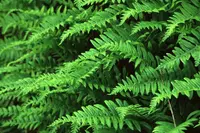
Secure exposed rhizomes

If fronds rock or loosen in the pot, gently press the creeping rhizomes into the mix and anchor them with a few U-shaped wire pins or small stones so new roots can reattach firmly and support upright growth.

Use shallow containers

Choose wide, shallow pots rather than deep ones, since this species spreads horizontally along the surface, which improves aeration around the rhizomes and reduces the risk of waterlogged media.

Refresh media gradually

Instead of a full repot, remove and replace the top 2–3 cm of mix every 6–12 months around the rhizomes to maintain structure and fertility without disturbing the plant’s creeping root system, which is helpful when growing nested polypody over many years.

Monitor frond aging

Mark the oldest fronds with a plant tag or photo once a year, then remove only those that naturally yellow and weaken first, which helps you distinguish normal aging from stress-related decline and keeps the clump tidy without over-pruning.

Common Pests and Diseases

Scale insects

This pest attaches tightly to fronds and rhizomes, sucking sap and causing yellowing, speckling, and general decline. Symptoms include small, dome-shaped brown or tan bumps that do not move when touched.

Solution

Physically scrape or wipe off scales with a cotton swab dipped in isopropyl alcohol, then rinse fronds with lukewarm water. For larger infestations, repeat alcohol wipes weekly and use an insecticidal soap or light horticultural oil, taking care to coat the undersides of fronds and to test a small area first for fern sensitivity.

Fern aphids

These insects cluster on young fronds and rachises, causing distortion, sticky honeydew, and sometimes black sooty mold growth. This pest tends to build up quickly on sheltered or indoor plants with soft, fresh growth.

Solution

Rinse plants thoroughly with a strong but gentle stream of water to dislodge colonies, paying attention to the undersides of fronds. If needed, follow up with insecticidal soap applied in the evening or under indirect light, and improve air circulation and avoid excess nitrogen fertilization that encourages very soft growth.

Rhizoctonia rhizome rot

This disease affects the creeping rhizomes, leading to reddish-brown lesions, tissue collapse, and dieback of attached fronds. Symptoms include fronds yellowing and wilting from the base while rhizomes turn soft and discolored where they contact overly wet or poorly drained media.

Solution

Remove and discard all affected rhizome sections and fronds, cutting back into firm, healthy tissue. Replant remaining healthy rhizomes in a coarse, sharply drained medium, space them so air can move around the plant, reduce watering frequency, and if conditions are repeatedly wet, consider a labeled fungicide drench as a preventative on the new planting.

Botrytis leaf blight

This disease thrives in cool, still, humid conditions and produces tan to brown spots that can coalesce on fronds, sometimes covered with gray, fuzzy fungal growth. Symptoms include premature browning and collapse of older fronds, especially where dead organic debris is left on the plant or soil surface.

Solution

Prune and discard affected fronds and any dead plant material around the rhizomes, and avoid overhead watering that leaves fronds wet for long periods. Increase air movement, space plants to reduce crowding, and in severe or persistent cases consider a labeled fungicide, applied according to instructions, while adjusting humidity so fronds dry within a few hours after getting wet.

Interesting Facts

California coastal specialist

This fern is native to coastal and near-coastal regions of California and adjacent Baja California, where it typically grows on rocky outcrops, canyon walls, and shaded slopes influenced by marine fog.

Rock and tree epiphyte

It often grows as a lithophyte on rocks or as an epiphyte on tree trunks and branches, anchoring to surfaces with creeping rhizomes rather than relying on soil.

Fog-dependent moisture strategy

In much of its range, this species survives long dry summers by relying on winter rains and frequent coastal fog, entering partial dormancy when conditions become too dry.

Botan icon

Did you know?

This fern forms extensive clonal colonies through long, creeping rhizomes, so what appears to be a group of many individual plants on a rock face or tree trunk is often a single genetic individual spreading slowly over many years.

FAQs about nested polypody

Leaf browning usually results from low humidity, underwatering, or excess direct sun. Check that the root zone stays evenly moist, raise humidity, and move the plant away from hot drafts or harsh light sources.

Grow Healthy Plants with Botan Care

Keep your plants happy and healthy with plant identification, disease detection, and easy care guidance.

Botan plant care app — identify plants on mobile

Explore More Plants