heart-leaf ice plant Care (Mesembryanthemum cordifolium)

Also known as: baby sun-rose, Heartleaf Sunfig, Brack Mesemb, Strawberry Mesemb
heart-leaf ice plant

About heart-leaf ice plant

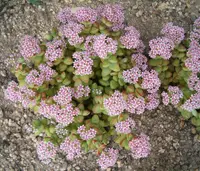
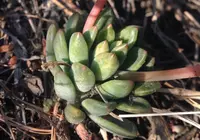
The heart-leaf ice plant, Mesembryanthemum cordifolium, is a low-growing succulent valued for its small, fleshy, heart-shaped leaves and trailing stems. It often forms dense mats or cascades from containers, hanging baskets, or rock crevices.

This species is native to South Africa, where it grows in sunny, dry, well-drained habitats. It is typically grown for its foliage but can also produce small, daisy-like flowers in good light.

As a succulent, it stores water in its leaves, which makes it relatively forgiving of short dry periods but sensitive to overwatering. It prefers bright light, lean, free-draining soil, and benefits from a simple approach to how to care for heart-leaf ice plant: avoid soggy roots and heavy shade.

Main Plant Requirements

Care Difficulty

Easy Care

Light Preference

Full Sun

Water Requirements

Low Water

Temperature Preference

Tropical / Frost Sensitive

Hardiness Zone

10–11

Soil Texture

Sandy, Loamy, Rocky

Soil pH

Slightly acidic (6.5–7.0), Slightly alkaline (7.0–7.5)

Soil Drainage

Well-drained

Fertilization

Minimal (feed rarely)

Get Personalized Care Plan

Scan your plant to receive care tips personalized for your specific plant

Available on iOS and Android

How to Care for the heart-leaf ice plant

This sun-loving succulent thrives in bright, open positions with long daily light exposure.

  • Aim for 6–8 hours of full sun daily; morning to early afternoon sun promotes compact, dense growth and stronger leaf color in heart-leaf ice plant.
  • In very hot inland summers, give light afternoon shade or filtered light to reduce leaf scorch and excessive drying of shallow roots.
  • If stems elongate, foliage pales, or flowering decreases, the plant is not getting enough sun and should be moved to a brighter, more open site.

This drought-tolerant succulent prefers deep but infrequent watering in sharply drained soil.

  • Outdoors in well-drained ground, water only when the top 3–5 cm of soil are completely dry, then soak the root zone and allow it to drain fully.
  • Reduce watering in cool seasons and during prolonged cloudy periods, as Mesembryanthemum cordifolium grows more slowly and uses less moisture.
  • Signs of overwatering include soft, translucent leaves and stem rot; wrinkled, slightly shriveled leaves indicate mild underwatering and a need for a thorough soak.

This species prefers warm, dry conditions and is sensitive to frost and prolonged cold.

  • Ideal growing temperatures are 65–80°F (18–27°C), with good airflow to keep foliage dry and reduce fungal issues.
  • It tolerates brief dips to about 30–32°F (-1–0°C) but foliage damage is likely; protect from hard frost and freezing winds.
  • In hot climates, it handles up to 95–100°F (35–38°C) if soil is well drained and the plant is not waterlogged, though slight afternoon shade reduces heat stress.

Mesembryanthemum cordifolium handles low humidity well and rarely needs special humidity care.

  • Aim for 30–50% relative humidity, similar to most heated or air-conditioned homes.
  • Dry indoor air is usually tolerated; humidity stress shows as slight leaf shriveling rather than spotting or fungal issues.
  • If air is extremely dry and leaves pucker, place the heart-leaf ice plant away from heating vents or use a nearby water tray, not misting.

Mesembryanthemum cordifolium needs very free-draining, lean soil that mimics sandy, rocky habitats.

  • Use a sandy, gritty mix such as 50–60% cactus soil blended with coarse sand or fine gravel for structure.
  • Keep drainage sharp; water must pass through in seconds and never pool at the surface or in the saucer.
  • Aim for slightly acidic to neutral pH, around 6.0–7.0, avoiding high-lime mixes that can lock up nutrients.
  • Improve aeration by adding perlite or pumice, and avoid heavy garden loam or peat-rich potting mixes that stay wet.

This species is well suited to container growing, especially in shallow, wide pots or hanging baskets.

  • Choose a low, wide container to allow spreading stems to drape while limiting excess wet substrate depth around roots.
  • Select unglazed terracotta if extra evaporation is needed, as it helps prevent prolonged moisture around succulent roots.
  • Elevate the pot slightly on feet or spacers so drainage holes stay clear and runoff leaves the container rapidly after watering.

Mesembryanthemum cordifolium is a light feeder, so modest fertilization is enough for healthy growth.

  • Use a diluted balanced liquid fertilizer (around 10-10-10) at 1/4–1/2 strength during active growth in spring and summer.
  • Feed every 4–6 weeks while the heart-leaf ice plant is producing new stems and flowers.
  • Avoid rich compost or heavy slow-release products that keep soil wet, which can increase root rot risk.
  • Stop feeding in fall and winter, when growth slows or the plant is semi-dormant.

Mesembryanthemum cordifolium responds well to light, periodic pruning to keep it compact and flowering.

  • Carry out main pruning in late winter or early spring before strong new growth starts.
  • Remove dead, damaged, or overly woody stems at the base using clean, sharp scissors or snips.
  • Tip back long, straggly shoots to encourage branching and a denser, trailing shape.
  • After flowering flushes, lightly trim spent stems to promote new buds and tidy appearance.

This succulent usually needs infrequent repotting, but timely transplanting maintains vigor and drainage.

  • Check for roots circling the pot, emerging from drainage holes, or slow growth as signs it needs more space.
  • Plan repotting or transplanting in spring, about every 2–3 years, when growth is starting.
  • Choose a shallow container with excellent drainage and a gritty succulent mix to limit root rot risk.
  • Gently loosen the root ball, remove a little old soil, replant at the same depth, then water lightly and shade for a few days to reduce stress.

New plants are most commonly produced from stem cuttings, making Mesembryanthemum cordifolium easy to multiply.

  • Take 5–8 cm non-flowering stem cuttings in late spring or summer from healthy growth.
  • Allow cut ends to dry and callus for 1–2 days to reduce rot, then insert into a gritty, barely moist mix.
  • Keep cuttings warm (65–75°F) in bright, indirect light with good air movement until roots form.
  • Seeds can also be sown on the surface of well-draining mix, kept lightly moist and warm for germination.

This succulent is frost-sensitive and needs protection in regions with cold winters.

  • In areas below about 30°F, grow Mesembryanthemum cordifolium in containers so plants can be moved indoors before frost.
  • Provide a cool, bright indoor spot and keep soil almost dry, watering sparingly to prevent shriveling.
  • In mild climates, use a light, dry mulch around outdoor plants to buffer brief cold snaps.
  • Avoid overhead watering on cold nights, which increases tissue damage from freezing temperatures.

Care Tips

Encourage Compact Growth

Pinch back soft stem tips every few weeks during active growth to keep the plant dense, reduce legginess, and promote more branching and flowering when growing heart-leaf ice plant.


Revive Leggy Stems

If stems become long and bare at the base, cut them back by 1/3–1/2 and replant the healthy tip cuttings in the same pot to thicken the mat of foliage.

Use Hanging Containers

Plant in shallow hanging baskets or wall planters with good drainage so stems can trail freely without kinking or breaking on sharp pot rims.

Protect From Heavy Rain

In outdoor containers, move the plant under an overhang or use a simple clear cover during prolonged heavy rain to prevent waterlogging and splitting of the succulent leaves.

Rotate For Even Spread

Rotate pots 90° every 1–2 weeks so stems do not all lean to one side, which keeps the plant evenly filled and prevents weak, light-starved sections.

Common Pests and Diseases

Mealybugs

This pest sucks sap from leaves and stems, often appearing as small white cottony clusters in leaf joints and on trailing stems. Symptoms include sticky honeydew, distorted new growth, and gradual decline in vigor.

Solution

Isolate the plant, then dab visible mealybugs with cotton swabs dipped in 70% isopropyl alcohol and rinse the foliage gently after treatment. Improve light and airflow, repeat spot treatments weekly until no new insects appear, and use a systemic insecticide labeled for succulents if infestations persist.

Aphids

These insects cluster on young shoots and flower stems, feeding on sap and causing curling, yellowing, and sticky honeydew that can attract sooty mold. Infestations are more common on plants grown in too-rich soil or with excessive nitrogen fertilizer.

Solution

Spray the plant with a firm stream of water to dislodge aphids, then treat remaining insects with insecticidal soap, ensuring full coverage of stems and leaf undersides. Repeat every 5–7 days until populations drop, and avoid high-nitrogen feeding that encourages soft, aphid-prone growth when growing heart-leaf ice plant outdoors or indoors.

Spider mites

This pest is more likely in hot, dry indoor or greenhouse conditions and causes fine stippling, dull or grayish foliage, and very fine webbing between leaves and stems. Heavy infestations can cause leaf drop and overall weakening of the plant.

Solution

Increase humidity around the plant slightly without keeping the soil wet, then rinse foliage thoroughly with lukewarm water to wash off mites and webbing. Follow with applications of insecticidal soap or a miticide labeled for ornamental plants every 5–7 days, repeating several times to break the life cycle.

Botrytis blight

This disease thrives in cool, humid conditions and poor air circulation, causing soft, water-soaked spots on leaves and stems that develop gray, fuzzy mold. Symptoms include collapse of succulent segments and rapid spread in dense, crowded plantings.

Solution

Remove and discard all affected plant parts, then improve airflow, reduce overhead watering, and keep foliage dry. Space plants so stems can dry quickly and, in severe or recurring cases, apply a fungicide labeled for botrytis on ornamentals, following label directions carefully.

Crown and stem rot

This disease affects the base of the stems where they meet the soil, often triggered by prolonged overwatering or heavy, poorly drained mixes. Symptoms include soft, brown, collapsing tissue at the crown, plant wilting despite moist soil, and easy separation of stems from the base.

Solution

Remove the plant from overly wet soil, cut away all soft or discolored tissue, and take healthy cuttings from firm, unaffected stems for re-rooting in a sharply drained, gritty mix. Adjust watering to allow the soil to dry between waterings, and use containers with ample drainage to prevent future rot issues.

Interesting Facts

Bladder-like water storage

This species forms small bladder-like swellings at the base of its leaves that store water, an adaptation that helps it survive dry, rocky habitats in its native South African range.

Coastal cliff specialist

In the wild it often grows on coastal cliffs and rocky slopes, where its trailing stems can hang down rock faces and stabilize loose soil.

Naturalized in warm climates

Although native to South Africa and Eswatini, it has become naturalized in mild coastal regions of the Mediterranean, Australia, and parts of California, where it can spread along walls and banks.

Botan icon

Did you know?

Botanists have documented that this species can hybridize with some closely related Lampranthus species in cultivation and in naturalized populations, which has led to intermediate forms and some confusion in older horticultural naming and classification.

FAQs about heart-leaf ice plant

This species spreads quickly as a trailing mat through succulent stems that root where they touch soil. In mild climates it can form dense ground cover, so give it defined borders and trim regularly to prevent unwanted creep.

Grow Healthy Plants with Botan Care

Keep your plants happy and healthy with plant identification, disease detection, and easy care guidance.


Botan plant care app — identify plants on mobile

Explore More Plants