


Pinch For Bushiness
Regularly pinch out the soft tip growth once stems reach 8–10 cm to keep plants compact, encourage branching, and delay woody, leggy growth.

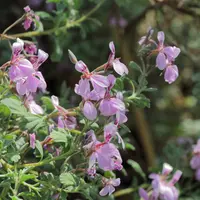
Greyleaf storksbill (Pelargonium exstipulatum) is a compact, shrubby succulent geranium grown mainly for its aromatic, finely divided grey-green leaves. The foliage often feels slightly rough and releases a pleasant scent when touched.
This species comes from dry, rocky areas of South Africa, so it naturally tolerates sun, wind, and short dry spells. Stems can become woody with age, giving the plant a small, bonsai-like shrub form in a pot.
Small, delicate flowers appear in loose clusters, but the plant is usually valued more for its foliage texture and fragrance. Its drought tolerance and modest growth rate make it relatively straightforward to care for Greyleaf Storksbill, especially in bright, dry indoor spots with fast-draining soil.

Care Difficulty
Easy Care

Light Preference
Full Sun

Water Requirements
Low Water

Temperature Preference
Tropical / Frost Sensitive

Hardiness Zone
10–11

Soil Texture
Sandy, Loamy, Rocky

Soil pH
Slightly acidic (6.5–7.0), Neutral (7.0)

Soil Drainage
Well-drained

Fertilization
Light (every 4–6 weeks)
Scan your plant to receive care tips personalized for your specific plant
Available on iOS and Android
Pelargonium exstipulatum prefers bright, direct sun with some protection at the hottest time of day.
This drought-tolerant species prefers thorough but infrequent watering in sharply drained soil.
This species prefers warm, dry conditions and dislikes frost or prolonged cold.
This species prefers relatively dry air and rarely needs special humidity management indoors.
Pelargonium exstipulatum grows best in a fast-draining, airy mix that mimics a gritty, low-organic substrate.
This species is well-suited to containers, especially in cooler or wet climates where drainage control is important.
This drought-tolerant species benefits from light, controlled feeding during its active growing season.
Pelargonium exstipulatum responds well to thoughtful pruning that maintains a compact, leafy form.
This species prefers slightly snug pots and only needs repotting when clear stress signs appear.
Most gardeners maintain this plant by stem cuttings taken during its active season.
This pelargonium is frost-tender and demands specific measures in cold climates.

Plant Health Check
Not sure what's wrong with your plant? Check your plant's health inside the app.
The foliage releases a strong resinous, spicy scent when touched, due to essential oils concentrated in specialized glandular hairs on the leaf surface.
This species grows as a many-branched, woody subshrub adapted to dry habitats in South Africa, with small, narrow leaves that reduce water loss and help it tolerate prolonged drought.
The leaves have a slightly sticky and rough texture, an adaptation thought to deter some herbivores and reduce insect movement along the stems.

In its native South African range, this species often grows on rocky slopes and outcrops, anchoring itself in shallow, mineral-rich soils where many less-adapted plants cannot survive.
This species can flower repeatedly from spring into fall if light and nutrition are adequate. Spent blooms should be removed to redirect energy into new buds, which usually encourages more frequent flowering cycles over the growing season.
Keep your plants happy and healthy with plant identification, disease detection, and easy care guidance.

Aspasia epidendroides
Aspasia epidendroides
 POPULAR
Hottentot Bread
Fockea edulis
Engelmann's Prickly Pear
Opuntia engelmannii
 POPULAR
Silver squill
Ledebouria socialis
Kalanchoe eriophylla
Kalanchoe eriophylla
Canary Bellflower
Canarina canariensis
Pegleg Butterbush
Tylecodon wallichii
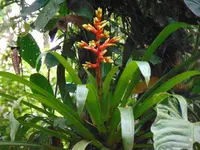
Guzmania scherzeriana
Guzmania scherzeriana