Pelecyphora aselliformis Care

Pelecyphora aselliformis

About Pelecyphora aselliformis

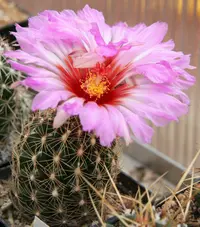
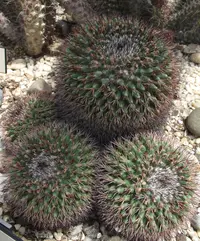
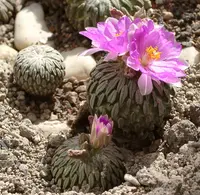
Pelecyphora aselliformis is a small, slow-growing cactus native to arid regions of northern Mexico. It forms a single, rounded stem covered in dense, insect-like tubercles that give it a distinctive textured surface. Flowers are usually magenta to pink and emerge from the top of the plant, adding a brief but striking display in the growing season.

In cultivation it stays compact and is often grown in pots or rock gardens. It prefers bright light, very fast-draining mineral soil, and sparse watering, which makes how to care for Pelecyphora aselliformis quite specific but manageable for patient growers.

Main Plant Requirements

Care Difficulty

Hard Care

Light Preference

Full Sun

Water Requirements

Low Water

Temperature Preference

Tropical / Frost Sensitive

Hardiness Zone

10–11

Soil Texture

Sandy, Rocky, Loamy

Soil pH

Slightly acidic (6.5–7.0), Neutral (7.0)

Soil Drainage

Well-drained

Fertilization

Minimal (feed rarely)

Get Personalized Care Plan

Scan your plant to receive care tips personalized for your specific plant

Available on iOS and Android

How to Care for the Pelecyphora aselliformis

This small desert cactus needs bright, mostly direct sun but benefits from some protection in extreme heat.

  • Provide 6–8 hours of direct sun daily, ideally with strong morning sun and light afternoon shade, especially in hot inland climates.
  • In very intense summer sun, use 30–40% shade cloth or place where it receives filtered light after midday to prevent bleaching or corking of the stems.
  • If grown indoors, place Pelecyphora aselliformis in the brightest south- or west-facing window and supplement with a grow light if new growth becomes pale or elongated.

Watering should mimic arid desert rains with thorough soakings followed by long dry periods.

  • During active growth in spring–early fall, water only when the top 3–5 cm of soil are fully dry, then soak until water drains and allow the soil to dry completely again.
  • In winter, keep almost dry, giving only a light watering every 4–6 weeks if the stem shrivels slightly, as this species is prone to root rot in cold, wet soil.
  • Use a very fast-draining mineral mix and a pot with large drainage holes so excess water exits quickly and the roots never sit in soggy conditions.

This cactus prefers warm, dry conditions and dislikes prolonged cold or dampness.

  • Aim for 70–85°F (21–29°C) during the main growing season, with good air movement to prevent overheating in full sun.
  • Protect from frost; short dips to 40–45°F (4–7°C) are usually tolerated if soil is completely dry, but growth stops below about 55°F (13°C).
  • Avoid extremes above 95°F (35°C) without shade or ventilation, as combined heat and strong sun can scorch tissue and stress the plant over time.

This cactus handles low humidity well and rarely needs special moisture in the air.

  • Target 30–50% humidity, similar to typical heated indoor air or a dry room.
  • Dry, firm stems with no wrinkling indicate humidity is adequate and watering is the main factor to manage.
  • If stems wrinkle despite correct watering, reduce nearby drafts or vents rather than adding humidifiers, which are unnecessary for Pelecyphora aselliformis.

This species requires a very fast-draining, mineral-rich substrate to prevent root rot.

  • Use a gritty, sandy mix such as 60–70% mineral components (pumice, coarse sand, fine gravel) with 30–40% cactus potting mix.
  • Aim for slightly acidic to neutral pH around 6.0–7.0, avoiding strongly alkaline or salty substrates that can burn roots.
  • Improve aeration by using large, sharp particles (2–5 mm) and avoiding peat-heavy mixes that compact and stay wet for too long.
  • Do not use regular garden soil; it compacts, drains poorly, and dramatically raises the risk of fungal problems for Pelecyphora aselliformis.

This species is well suited to container growing due to its compact, slow habit.

  • Choose a shallow but wide pot to match its shallow root system and keep the mineral mix drying at an even rate.
  • Select unglazed terracotta if extra evaporation is needed, or plastic if conditions are already very dry and hot.
  • Place the pot where accidental knocks are unlikely, since the small, heavy top in a gritty mix can tip if the container is too light.

This slow-growing cactus needs only minimal feeding for healthy growth.

  • Use a diluted low-nitrogen balanced cactus fertilizer (around 1/4 strength) rather than rich compost or slow-release pellets.
  • Feed Pelecyphora aselliformis once in late spring and once in mid-summer during active growth.
  • Apply only to moist soil to reduce root burn risk, never onto dry substrate.
  • Stop feeding in fall and winter to allow full dormancy and prevent soft, weak tissues.

This species needs virtually no structural pruning, only occasional grooming for hygiene.

  • In late spring or summer, remove any dead, shriveled, or rotting tissue with a sterile, sharp blade.
  • Cut well into healthy tissue if rot is present, then let the wound dry and callus in bright, dry air.
  • Do not trim healthy tops, as pruning does not improve shape or flowering in Pelecyphora aselliformis.
  • Disinfect tools before and after use to avoid spreading fungal or bacterial problems between plants.

This cactus prefers to stay slightly root-bound and only needs infrequent repotting.

  • Repot every 4–5 years, or when roots circle the pot base or emerge from drainage holes.
  • Choose late spring as the safest time, once temperatures are stable and growth is starting.
  • Use a shallow pot with a very fast-draining mineral cactus mix to limit root rot risk.
  • Unpot gently, remove old loose soil, trim dead roots, then keep dry for 5–7 days after repotting to let any wounds heal.

Propagation of this cactus is usually done from seed and is considered slow and specialist-level.

  • Sow fresh seeds of Pelecyphora aselliformis in late spring in a sterile, very gritty cactus mix.
  • Maintain 70–80°F, bright shade, and high air circulation for several weeks to encourage germination.
  • Keep the substrate just slightly moist using bottom-watering or fine misting to avoid damping-off disease.
  • Allow seedlings to grow undisturbed for at least 1–2 years before any transplanting.

This small desert cactus needs cool, very dry winter conditions rather than heavy protection.

  • Keep at 40–50°F in winter with maximum light and almost no water to maintain dormancy.
  • Avoid frost; move containers indoors or into an unheated bright room before temperatures reach freezing.
  • Ensure the potting mix stays dry, since cold plus moisture greatly increases root and stem rot risk.
  • Provide good air movement and no overhead watering to keep the plant surface completely dry.

Care Tips

Use mineral mulch

Top-dress the pot with a thin layer of fine gravel or pumice to keep the stem base dry, reduce algae and moss growth, and mimic the plant’s natural habitat microclimate.

Rotate for even growth

Turn the pot 90° every 2–3 weeks during the active season so the plant builds a balanced, symmetrical body instead of leaning toward the strongest light source.

Control summer heat

In very hot weather, place the pot inside a larger, light-colored cachepot or on a dry pebble tray to insulate roots from radiant heat and prevent soil from overheating.

Protect from summer rain

If grown outdoors, move the plant under a solid overhang or into a cold frame before forecasted storms so the tiny stem is not exposed to prolonged wetness that can trigger rot.

Use dry winter rest

During winter dormancy, keep the plant in a bright, airy place and only give a light splash of water if the body shows visible wrinkling, which supports healthy long-term structure when caring for Pelecyphora aselliformis.

Common Pests and Diseases

Mealybugs

This pest often hides in the woolly areoles and between tubercles, sucking sap and weakening the cactus over time. Symptoms include cottony white clumps, slowed growth, and yellowing tissue at feeding sites.

Solution

Remove visible clusters with a cotton swab dipped in 70% isopropyl alcohol, then repeat checks weekly until no new insects appear. Improve light and airflow, isolate the plant from others, and if the infestation is larger, use a systemic insecticide labeled for cacti at the lowest effective dose as part of broader Pelecyphora aselliformis care instructions.

Red spider mites

These insects thrive in hot, very dry conditions and may be almost invisible to the eye, leaving fine webbing and a dull, stippled surface on the cactus skin. Symptoms include loss of natural coloration and a dusty, roughened look to the stem.

Solution

Rinse the plant gently with lukewarm water to wash off mites, keeping the woolly areoles as dry as possible afterward, then increase humidity slightly around the plant without wetting the body. For persistent problems, apply a targeted miticide or horticultural soap to the stem surface, repeating according to label directions and ensuring good ventilation and strong light.

Scale insects

This pest appears as small, hard, brown or gray oval bumps attached firmly to the stem, often along ribs and areoles. Symptoms include localized yellowing, slow growth, and sticky honeydew that can attract sooty mold.

Solution

Manually remove scales with a soft brush or cotton swab dipped in 70% isopropyl alcohol, working carefully around the plant’s small tubercles. After physical removal, monitor closely and, if new individuals appear, use a systemic insecticide suitable for succulents and keep the plant isolated until infestation stops.

Fusarium stem rot

This disease is caused by soilborne fungi that infect through wounds or stressed roots, leading to internal browning that may show as sunken, discolored patches on the stem. Symptoms include sudden collapse of part of the plant, reddish or brown internal tissue, and a dry or slightly mushy rot line.

Solution

At the first sign, stop watering and remove the plant from its pot to inspect the base, then cut away all affected tissue with a sterile blade back to firm, healthy tissue. Dust the cuts with a dry fungicidal powder or sulfur, allow the plant to callus in a dry, bright place for several days, and repot into fresh, very fast-draining mineral substrate while discarding the old soil.

Corking from sunburn

Symptoms include pale, yellowed or reddish patches on the exposed side of the stem that later turn tan and corky, sometimes cracking slightly. This physiological disorder is triggered by sudden exposure to high-intensity sun, especially after the plant has grown in lower light or indoors.

Solution

Move the plant gradually into stronger light over 1–2 weeks, using shade cloth or a sheer curtain to reduce midday intensity until it adapts. Damaged corky tissue does not reverse, but preventing further stress with stable light, well-timed watering, and good airflow will stop progression and support healthy new growth above the affected areas.

Interesting Facts

Living insect mimic

This cactus develops dense, overlapping tubercles that resemble clusters of small woodlice, which is why it is commonly called the woodlouse cactus. The insect-like pattern likely helps it blend into gravelly habitats and avoid herbivores.

Extremely slow growth

It grows so slowly that seedlings can take many years to form the adult, pill-bug-like body, and mature plants may remain only a few cm wide for decades. This slow pace reflects adaptation to nutrient-poor, arid limestone soils in its native habitat in Mexico.

Specialized taproot storage

The plant has a disproportionately large, carrot-like taproot that stores water and nutrients underground. This storage organ allows the above-ground body to stay small and compact while surviving long dry periods.

Botan icon

Did you know?

Pelecyphora aselliformis is considered rare and is protected under CITES Appendix I, meaning international trade in wild-collected plants is highly restricted to help conserve its small, vulnerable natural populations in the Chihuahuan Desert of Mexico.

FAQs about Pelecyphora aselliformis

This species grows very slowly, often only a few millimeters per year. It may take many years to reach just a few centimeters across, which is normal and not a sign of poor care.

Grow Healthy Plants with Botan Care

Keep your plants happy and healthy with plant identification, disease detection, and easy care guidance.

Botan plant care app — identify plants on mobile

Explore More Plants