Rotate for symmetry
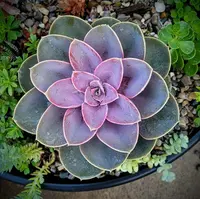
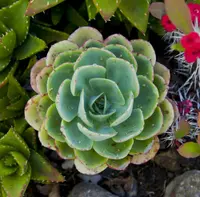
Turn the pot 90° every 2–3 weeks so the rosette develops evenly and does not lean toward the light source, which keeps the leaves balanced and reduces mechanical stress at the stem base.

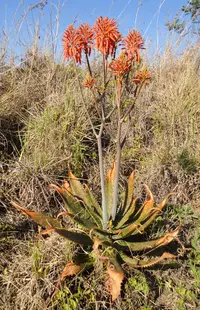
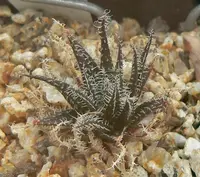
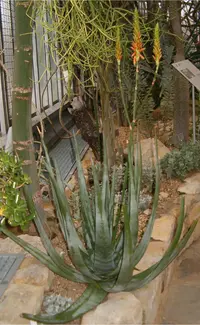
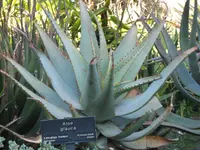
Spotted aloe, Aloe greatheadii, is a compact, stemless succulent from southern Africa. It forms dense rosettes of fleshy, triangular leaves marked with pale spots. In the right season it sends up tall flower spikes with tubular orange or red blooms that attract pollinators. Plants often form clumps over time. This species comes from dry, sunny habitats, so it prefers bright light, well-drained gritty soil, and infrequent watering. Its drought tolerance and slow, tidy growth habit make it suitable for containers and low-maintenance collections, as long as you understand how to care for spotted aloe.

Care Difficulty
Easy Care

Light Preference
Full Sun

Water Requirements
Low Water

Temperature Preference
Warm Climate

Hardiness Zone
9–11

Soil Texture
Sandy, Loamy, Rocky

Soil pH
Slightly acidic (6.5–7.0), Neutral (7.0)

Soil Drainage
Well-drained

Fertilization
Minimal (feed rarely)
Scan your plant to receive care tips personalized for your specific plant
Available on iOS and Android
This sun-loving Aloe greatheadii thrives with bright, direct light in most climates.
Watering Aloe greatheadii correctly relies on drying cycles rather than a fixed schedule.
Consistent warmth supports strong growth and spotting in this aloe species.
Aloe greatheadii prefers dry air and usually thrives in 30–40% household humidity.
Aloe greatheadii needs a very fast-draining, mineral-based substrate to prevent root rot.
This species is well suited to container growing when drainage and stability are managed carefully.
Aloe greatheadii thrives with light feeding during active growth but tolerates lean soils well.
Pruning Aloe greatheadii is mainly hygienic, keeping the rosette clean and preventing rot.
This aloe prefers slightly tight conditions and only needs infrequent repotting or transplanting.
Aloe greatheadii is most reliably propagated from offsets, with seeds used mainly for larger-scale growing.
This aloe has some drought and mild cold tolerance but needs protection in regions with freezing winters.

Plant Health Check
Not sure what's wrong with your plant? Check your plant's health inside the app.
This species typically flowers in the cooler months in its native range, producing tubular orange to red flowers on tall spikes when many other succulents are dormant.
Aloe greatheadii is naturally common in open grasslands and rocky slopes in southern Africa, where it experiences full sun, seasonal drought, and occasional frost.
The leaves are marked with dense, irregular pale spots arranged in bands, which makes it one of the more easily recognized spotted aloes in its native flora and popular for spotted aloe indoor care guidance.
Brown leaves usually result from overwatering, poor drainage, or sun scorch on newly moved plants. Check roots for rot, improve drainage, remove severely damaged leaves, and adjust light exposure gradually after any location change.
Keep your plants happy and healthy with plant identification, disease detection, and easy care guidance.