Rocky topdressing
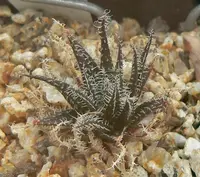
Add a 1–2 cm layer of coarse gravel or small rocks on the soil surface to keep lower leaves dry, reduce soil splash on the rosette, and stabilize the plant in windy or exposed spots.

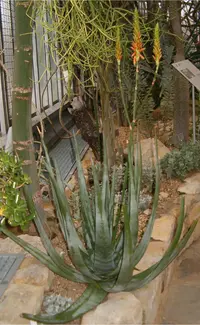
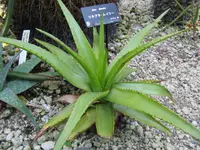
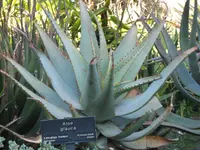
Dr Kirk's aloe, Aloe cryptopoda, is a stemless succulent from arid regions of southern Africa. It forms a dense rosette of thick, green to bluish leaves with sharp teeth along the margins. In season it produces tall, striking flower spikes with tubular red to yellow blooms that attract pollinators. The plant has a slow, compact growth habit that suits containers and dry garden beds. Its drought tolerance and preference for bright light make it relatively straightforward for those learning how to care for Dr Kirk's aloe. It prefers a fast-draining, gritty soil mix and careful watering that allows the roots to dry between soakings.

Care Difficulty
Easy Care

Light Preference
Full Sun

Water Requirements
Low Water

Temperature Preference
Tropical / Frost Sensitive

Hardiness Zone
10–11

Soil Texture
Sandy, Loamy, Rocky

Soil pH
Slightly acidic (6.5–7.0), Neutral (7.0)

Soil Drainage
Well-drained

Fertilization
Minimal (feed rarely)
Scan your plant to receive care tips personalized for your specific plant
Available on iOS and Android
This sun-loving aloe from arid regions thrives with strong light and benefits from clear seasonal sun exposure.
This drought-tolerant succulent stores water in its leaves and needs infrequent but thorough watering.
This species prefers warm, dry conditions and does best where temperatures stay mild to hot for much of the year.
This species prefers dry air and does not need added humidity.
Aloe cryptopoda needs a very free-draining, mineral-rich substrate to prevent root rot.
This aloe adapts well to container growing when given a stable, fast-draining setup.
This drought-adapted succulent needs modest feeding to maintain steady growth in containers.
Pruning needs for Aloe cryptopoda are light and focus on hygiene and maintaining a clean rosette.
Container-grown plants benefit from occasional repotting to refresh soil and manage clump size.
Propagation of this aloe is commonly done by removing offsets and can also be achieved from seed.
This species dislikes prolonged frost and benefits from basic winter protection in cooler climates.

Plant Health Check
Not sure what's wrong with your plant? Check your plant's health inside the app.
This species produces tall spikes of tubular flowers that are red in the upper part and yellow in the lower part, creating a sharply two-toned inflorescence that is used as a key identification feature.
In the wild it typically grows on rocky slopes and outcrops in southern Africa, often rooting in shallow crevices where drainage is extremely fast and soil organic matter is very low.
In its native range it usually flowers during the cooler, drier winter months, providing nectar for sunbirds and insects at a time when many other nectar sources are limited.

Aloe cryptopoda was long confused with a related species, Aloe wickensii, and taxonomists only clarified its status through detailed study of its flower structure, leaf morphology, and geographic distribution, which led to its recognition as a distinct species in floras of southern Africa.
Lack of flowering usually comes from insufficient maturity, cool-season stress, or too little light intensity. Outdoor plants in warm, bright conditions bloom more reliably. Container-bound roots and excess nitrogen fertilizer can also delay or reduce flower spikes.
Keep your plants happy and healthy with plant identification, disease detection, and easy care guidance.