Rotate for symmetry
Rotate the pot 90° every 1–2 weeks so all sides receive similar light, which keeps the rosette compact and prevents one-sided stretching.

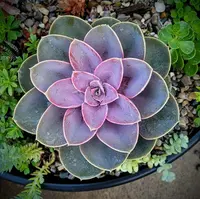
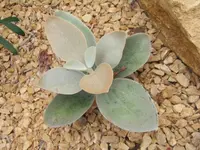
Echeveria 'Perle von Nurnberg' is an evergreen succulent known for its compact rosettes and soft, pastel leaves with pink to purple tones and a powdery surface. It forms low, symmetrical mounds that stay neat in pots and shallow dishes.
The genus Echeveria comes from arid regions of Mexico and Central America, so this cultivar is adapted to bright light and dry conditions. It prefers fast-draining soil and careful watering, which makes it suitable for beginners learning how to care for Echeveria.
Its slow to moderate growth and tidy form make it popular for windowsills, mixed succulent bowls, and decorative containers indoors or outdoors in mild climates.

Care Difficulty
Easy Care

Light Preference
Full Sun

Water Requirements
Low Water

Temperature Preference
Tropical / Frost Sensitive

Hardiness Zone
9–11

Soil Texture
Sandy, Loamy, Rocky

Soil pH
Slightly acidic (6.5–7.0), Neutral (7.0)

Soil Drainage
Well-drained

Fertilization
Minimal (feed rarely)
Scan your plant to receive care tips personalized for your specific plant
Available on iOS and Android
This succulent prefers bright, direct light but benefits from some protection during the harshest sun.
This drought-tolerant succulent needs infrequent, thorough watering and very fast-draining soil.
This succulent prefers warm, dry conditions and dislikes prolonged cold or excessive humidity.
This succulent prefers dry air and does not need elevated humidity.
Use a very fast-draining, gritty mix to prevent root rot in Echeveria 'Perle von Nurnberg'.
This species is very suitable for container growing.
This succulent needs only light feeding to maintain compact, healthy growth during its active season.
Echeveria 'Perle von Nurnberg' needs minimal pruning, mainly to keep rosettes clean and well-shaped.
This compact succulent prefers slightly tight pots but benefits from occasional repotting into fresh, fast-draining mix.
This cultivar is commonly propagated to maintain desirable color and rosette form.
This tender succulent is not frost hardy and needs protection in cold climates.

Plant Health Check
Not sure what's wrong with your plant? Check your plant's health inside the app.
This cultivar was bred in the early 20th century by German nurseryman Alfred Gräser, who crossed two different Echeveria species to achieve its distinctive pastel rosette form and coloration.
The leaves can shift from soft gray-lilac to more intense pink and purple tones depending on light intensity and temperature, due to varying expression of protective pigments called anthocyanins.
Its leaves are coated with a relatively thick layer of farina, a powdery wax that helps reduce water loss and sun damage, and also gives the plant its characteristic soft, matte appearance.
Leggy, stretched growth occurs when light is too weak or too far away. Stems elongate and leaves space out as the plant reaches for light. Rotate regularly and move closer to a brighter exposure to improve form.
Keep your plants happy and healthy with plant identification, disease detection, and easy care guidance.