


Rotate For Even Growth
Rotate the pot 90° every 1–2 weeks so the leaf rosettes build a balanced, symmetrical shape and do not lean or twist toward the light source.

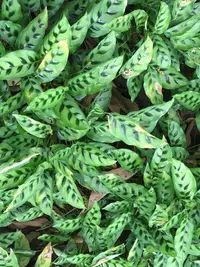
Goeppertia concinna, often sold under the older name Calathea leopardina, is a compact tropical foliage plant from the understories of Brazilian rainforests. It is grown mainly for its patterned leaves with dark green markings on a light green background.
The plant forms a low clump and has a calm, upright habit that suits tabletops and shelves. Leaves tend to fold slightly at night, a response to changing light called nyctinasty.
This species prefers warm, stable conditions with soft, filtered light, evenly moist soil, and higher air humidity. With consistent conditions and gentle handling, it can be a rewarding choice for those learning how to care for Goeppertia concinna.

Care Difficulty
Moderate Care

Light Preference
Bright Indirect Light

Water Requirements
Keep Soil Moist

Temperature Preference
Tropical / Frost Sensitive

Hardiness Zone
11–12

Soil Texture
Loamy, Peaty, Organic-rich

Soil pH
Acidic (5.5–6.5)

Soil Drainage
Moist but well-drained

Fertilization
Light (every 4–6 weeks)
Scan your plant to receive care tips personalized for your specific plant
Available on iOS and Android
This species prefers bright, filtered light that mimics a forest understory.
Watering should keep the root zone consistently slightly moist without becoming soggy.
Stable, warm conditions support healthy growth and patterned foliage.
This species needs consistently high humidity to maintain healthy foliage and avoid tip burn.
This plant prefers a light, airy, organic-rich mix that drains freely yet holds steady moisture.
This species is well suited to container growing when moisture and root space are carefully managed.
This plant benefits from modest, consistent feeding during active growth.
Pruning is light and mainly focused on hygiene for Goeppertia concinna.
Container plants appreciate occasional repotting to refresh soil and manage root congestion.
Propagation is usually done by division rather than by seed for this species.
This tropical plant needs warm, stable indoor conditions during winter in most climates.

Plant Health Check
Not sure what's wrong with your plant? Check your plant's health inside the app.
The leaves show a distinct herringbone pattern made of alternating light and dark green zones along the veins, an adaptation that may help diffuse sunlight reaching the leaf surface in its shaded forest habitat.
As a member of the Marantaceae, this species raises and lowers its leaves daily through a pulvinus, a specialized joint at the base of the leaf, allowing it to change leaf angle between day and night.
In its native Brazilian Atlantic Forest, this plant grows on the shaded understory floor, where it has adapted to low, filtered light and stable warmth rather than direct sun exposure.
Brown, crispy edges usually result from low humidity, accumulated salts from tap water, or past underwatering. Improve humidity, flush the pot occasionally with distilled water, and keep moisture more consistent to prevent further damage, though existing tips will not recover.
Keep your plants happy and healthy with plant identification, disease detection, and easy care guidance.

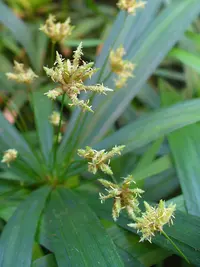
Dwarf striped umbrella sedge
Cyperus albostriatus
Dorstenia drakena
Dorstenia drakena
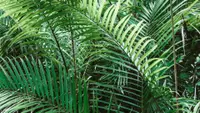
Areca Palm
Dypsis lutescens
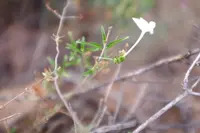
longflower tube tongue
Justicia longii
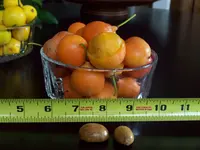
African Mangosteen
Garcinia livingstonei
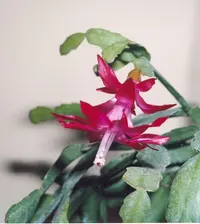
Schlumbergera × buckleyi
Schlumbergera × buckleyi
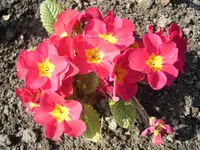
Fairy Primrose
Primula malacoides
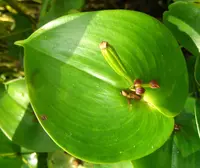
Pleurothallis cordata
Pleurothallis cordata