tailor's patch Care (Crassula lactea)

tailor's patch

About tailor's patch

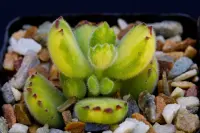
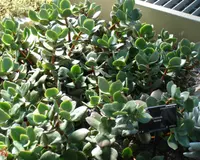
Tailor's patch, Crassula lactea, is a small, shrubby succulent grown mainly for its neat form and patterned, fleshy leaves. It typically forms low, branching mounds that can gently trail over the edge of pots or rock walls.

In nature, it occurs in parts of South Africa, where it grows in bright, dry habitats with well-drained, often rocky soils. Its thick leaves store water, which makes it forgiving of short dry spells and irregular watering.

These drought-tolerant traits, along with its slow, compact growth, make it suitable for containers, small indoor displays, and low-maintenance succulent groupings. Understanding how to care for tailor's patch mainly involves providing enough light and avoiding waterlogged soil.

Main Plant Requirements

Care Difficulty

Easy Care

Light Preference

Partial Sun

Water Requirements

Low Water

Temperature Preference

Warm Climate

Hardiness Zone

10–11

Soil Texture

Sandy, Loamy, Rocky

Soil pH

Slightly acidic (6.5–7.0), Neutral (7.0)

Soil Drainage

Well-drained

Fertilization

Minimal (feed rarely)

Get Personalized Care Plan

Scan your plant to receive care tips personalized for your specific plant

Available on iOS and Android

How to Care for the tailor's patch

This succulent prefers bright, indirect light with some gentle direct sun each day.

  • Provide 4–6 hours of morning sun or late-afternoon sun; shield tailor's patch from harsh midday sun to prevent leaf scorch or bleaching.
  • Outdoors, place in bright shade or dappled light under taller plants; indoors, use an east or bright north window, or filtered light near a south window.
  • If stems stretch or leaves lose variegation, light is too low; in summer move gradually to brighter spots, and in winter maximize window light.

This drought-tolerant succulent needs infrequent, thorough watering and fast-draining soil.

  • Allow at least the top 3–5 cm of soil to dry fully before watering; in deeper beds, check several spots rather than relying on a fixed schedule.
  • Water deeply until excess runs through well-draining, gritty soil, then let it dry; soggy soil, translucent leaves, or mushy stems indicate overwatering.
  • In spring–summer, expect more frequent watering as growth is active; in fall–winter, reduce watering sharply and watch for wrinkling leaves as a sign of thirst in Crassula lactea.

This succulent prefers mild, frost-free conditions and dislikes temperature extremes.

  • Aim for 65–80°F (18–27°C) for best growth, with good air circulation and protection from cold drafts or hot reflective surfaces.
  • Protect from frost; short drops to about 30–32°F (-1–0°C) may damage leaves and tips, so move plants or cover them before hard freezes.
  • In hot spells above 90°F (32°C), give afternoon shade and avoid dark, heat-absorbing surfaces; in winter, keep it cool but above 40–45°F (4–7°C) to prevent cold injury.

Crassula lactea prefers dry indoor air and rarely needs extra humidity.

  • Aim for 30–50% humidity; conditions typical of heated or air-conditioned homes suit tailor's patch well.
  • Dry, shriveling leaf tips or soft, collapsing leaves usually indicate watering or root issues, not low humidity.
  • Increase local humidity only in very arid homes by placing the pot on a shallow pebble tray with water kept below the pot base.

Crassula lactea needs a sharply draining, mineral-heavy substrate that dries fast between waterings.

  • Use a sandy or gritty cactus/succulent mix with a loose, crumbly structure to prevent water retention around roots.
  • Aim for slightly acidic to neutral pH around 6.0–7.0, which supports nutrient uptake without encouraging rot.
  • Blend roughly 50–70% inorganic materials such as pumice, perlite, or coarse sand with the rest as lean potting mix or fine bark.
  • Avoid dense, peat-heavy or clay-based substrates that stay wet, and discard any saucer water to protect aeration around the roots.

This species is well suited to container growing in bright, dry locations.

  • Choose a wide, shallow pot to match its spreading root system and reduce the risk of the plant tipping as stems elongate.
  • Select unglazed terracotta if extra evaporation is needed for quick-drying substrate in humid or cool environments.
  • Ensure large, unobstructed drain holes and elevate the pot slightly so water exits freely instead of pooling under the base.

Crassula lactea prefers light feeding and can suffer if given too much fertilizer.

  • Use a balanced liquid fertilizer (for example 10-10-10) at 1/4–1/2 strength during the active growing season.
  • Feed every 4–6 weeks in spring and summer; avoid rich composts that stay wet.
  • Stop feeding in late fall and winter when growth slows, as tailor's patch enters a semi-dormant phase.
  • Always apply fertilizer to slightly moist soil to reduce root burn risk.

Pruning Crassula lactea helps maintain a compact, branching habit and removes weak growth.

  • Best time for structural pruning is late winter to early spring before strong new growth starts.
  • Use clean, sharp scissors or pruners to remove dead, damaged, or leggy stems back to healthy tissue.
  • Pinch or tip back soft shoots to encourage denser branching and a fuller overall shape.
  • Thin crowded stems slightly to improve light penetration and air movement around the plant.

This succulent prefers slightly tight quarters and infrequent disturbance when grown in containers.

  • Repot every 2–3 years, or when roots circle the pot, growth slows, or water runs straight through.
  • Choose late winter to early spring for repotting Crassula lactea, just before the main growth period.
  • Move into a pot only 2–3 cm wider, using a gritty, fast-draining cactus or succulent mix.
  • Gently loosen circling roots, remove old soil, and water lightly after repotting to limit stress and rot.

Crassula lactea is commonly propagated from stem or leaf cuttings rather than seed in home settings.

  • Take healthy stem cuttings in spring or early summer, 5–8 cm long with several nodes.
  • Allow cut surfaces to dry and callus for 1–2 days to reduce rot risk before planting.
  • Insert cuttings into a barely moist, gritty succulent mix and keep in bright, indirect light.
  • Maintain warm conditions around 65–75°F and avoid overwatering until firm roots develop.

This succulent is tender to frost and benefits from simple winter precautions in most climates.

  • Keep outdoor plants above about 30–32°F; prolonged freezing can damage foliage and roots.
  • Move containers indoors or into a bright, frost-free porch or greenhouse before hard frosts.
  • Provide bright light indoors and reduce watering so soil dries well between waterings.
  • Avoid cold drafts and keep the root zone in well-drained mix without saucers full of water.

Care Tips

Rotate For Symmetry

Turn the pot 90° every 2–3 weeks so stems receive light from all sides and develop a balanced, compact form instead of leaning heavily in one direction.

Refresh Top Dressing

Apply a thin layer (0.5–1 cm) of decorative gravel or coarse sand on the soil surface to keep lower leaves dry, reduce fungus gnat breeding, and visually mark how far to keep water away from the stem base.

Timed Stem Support

If long trailing stems start to flop awkwardly, pin or loop them gently over the pot rim or onto a low support ring for a few months to encourage a fuller, cascading habit rather than breakage at the base.

Strategic Tip Pinching

Pinch or snip just the soft tips of overly long shoots in late spring to trigger side-branching and create a denser plant without removing too much photosynthetic leaf area at once.

Seasonal Pest Checks

Inspect leaf undersides and stem joints with a flashlight or magnifying glass at least monthly, increasing to every 1–2 weeks in winter when indoor air is dry, since this is when mealybugs most often appear on plants when growing tailor's patch.

Common Pests and Diseases

Mealybugs

This pest often hides in leaf joints and along stems, sucking sap and causing leaf yellowing, distortion, and sticky honeydew. Symptoms include cotton-like white clusters that are easy to spot on the smooth, fleshy leaves.

Solution

Isolate the plant, then dab visible mealybugs with cotton swabs dipped in 70% isopropyl alcohol and gently wipe affected areas. Repeat weekly until no new insects appear and, for ongoing Crassula lactea care, keep the plant in bright light with good air movement to reduce reinfestation risk.

Soft scale

These insects attach firmly to stems and leaf undersides, appearing as small tan to brown bumps and excreting honeydew that can lead to sooty mold. Symptoms include dull, sticky foliage and slowed growth.

Solution

Gently scrape or wipe off individual scale insects with a soft cloth or cotton swab moistened with 70% isopropyl alcohol, then rinse the plant with a mild soapy water solution. Improve light and avoid overfertilizing, as lush, soft growth tends to attract scale infestations.

Aphids

These insects cluster near new growth and flower stalks, sucking sap and causing curling or misshapen leaves along with sticky honeydew. Symptoms include stunted tips and small green, black, or brown soft-bodied insects visible on young tissue.

Solution

Move the plant to a sink and rinse thoroughly with a strong but controlled stream of lukewarm water, focusing on shoot tips and leaf undersides, then allow to dry in bright light. For persistent infestations, use a dilute insecticidal soap spray, applied in the evening and rinsed off the next day to avoid leaf spotting.

Edema

This disorder occurs when roots absorb water faster than leaves can transpire it, causing water blisters that turn corky on the thick leaves. Symptoms include rough, raised, tan to brown patches on older foliage, often after sudden changes in watering or humidity.

Solution

Allow the soil to dry more thoroughly between waterings and ensure the pot has free-draining succulent mix and open drainage holes. Provide bright light and avoid sudden shifts from very dry to very wet soil, as existing damage will not heal but new growth should emerge healthy.

Fungal leaf spots

This disease is favored by excess moisture on foliage and poor air circulation, leading to small brown or black spots that may enlarge and cause localized leaf yellowing. Symptoms include irregular lesions that sometimes develop a pale halo on stressed leaves.

Solution

Remove and discard affected leaves, then water at the soil level to keep foliage dry and improve spacing so air can move around the plant. If spotting continues, apply a labeled copper or sulfur-based fungicide lightly and reduce overhead misting or exposure to prolonged rain outdoors.

Interesting Facts

Winter-blooming succulent

This species naturally flowers in late fall to winter, producing clusters of small white, star-shaped blossoms when many other succulents are dormant and not in bloom.

Native to South Africa

Crassula lactea occurs in the Eastern Cape region of South Africa, where it grows in relatively mild, coastal-influenced climates rather than in extremely arid desert habitats.

Milk-white leaf bloom

The species name lactea refers to the milky appearance of its flowers and the pale, sometimes powdery bloom on its green leaves, which can give the plant a softly frosted look under bright light.

FAQs about tailor's patch

Lack of flowers usually comes from insufficient light, warm winter conditions, or too much nitrogen fertilizer. Cooler, bright conditions in fall and early winter, plus modest feeding, typically encourage buds and support Crassula lactea plant care.

Grow Healthy Plants with Botan Care

Keep your plants happy and healthy with plant identification, disease detection, and easy care guidance.

Botan plant care app — identify plants on mobile

Explore More Plants