Nyctocereus serpentinus Care

Nyctocereus serpentinus

About Nyctocereus serpentinus

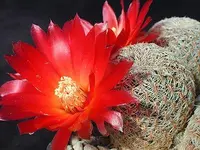
Nyctocereus serpentinus is a night-blooming columnar cactus known for its long, ribbed, and often twisting stems that can form dense, serpentine clumps. At maturity, it produces large, fragrant white flowers that open after dark and close by morning.

This species is native to arid and semi-arid regions of Mexico, where it grows in rocky, well-drained habitats with high light and low rainfall. It is generally considered an easy cactus for intermediate growers, as it tolerates short dry spells but resents prolonged moisture around the roots.

Stable bright light, low to moderate watering, and sharply draining soil are the main points to understand when learning how to care for Nyctocereus serpentinus.

Main Plant Requirements

Care Difficulty

Easy Care

Light Preference

Full Sun

Water Requirements

Low Water

Temperature Preference

Tropical / Frost Sensitive

Hardiness Zone

10–11

Soil Texture

Sandy, Loamy, Rocky

Soil pH

Slightly acidic (6.5–7.0), Neutral (7.0)

Soil Drainage

Well-drained

Fertilization

Minimal (feed rarely)

Get Personalized Care Plan

Scan your plant to receive care tips personalized for your specific plant

Available on iOS and Android

How to Care for the Nyctocereus serpentinus

This cactus prefers bright, long-duration sun that mimics its native arid habitat.

  • Provide 6–8 hours of direct sun, ideally with gentle morning sun and stronger midday exposure, especially for outdoor plants.
  • Allow light afternoon shade in very hot climates to reduce scorch; pale, yellowed ribs indicate too much intense sun.
  • Move Nyctocereus serpentinus gradually into brighter light in late winter or early spring to avoid shock, and use a south- or west-facing spot where possible.

Watering should reflect desert-style dryness with careful attention to soil and weather.

  • Let the top 3–5 cm of soil dry completely before watering; dry, lightweight soil and slightly wrinkled stems signal it is time to water.
  • During active growth in spring and summer, soak thoroughly, then allow full drainage and dry-down; in fall and winter, reduce watering to light, infrequent drinks.
  • Soft, dark, or mushy stems, sour smell, or constantly damp soil indicate overwatering and poor drainage that can lead to root rot.

Stable warmth supports strong growth and flowering over the growing season.

  • Aim for 70–85°F (21–29°C) in spring and summer, which promotes active growth and bud formation.
  • Keep it above 50°F (10°C); short drops to 40–45°F (4–7°C) may be tolerated if soil is dry, but frost damages tissues quickly.
  • In heat waves above 95°F (35°C), increase airflow and provide light afternoon shade to limit stress and sunburn, especially in containers.

This cactus handles typical indoor humidity, so moisture in the air is rarely a concern.

This species prefers a very fast-draining, mineral-rich substrate that dries quickly between waterings.

  • Use a coarse cactus mix based on sandy or gritty material with minimal peat to prevent water retention around the roots.
  • Aim for a slightly acidic to neutral pH around 6.0–7.0, which suits most commercially available cactus substrates.
  • Improve aeration and drainage by blending 30–50% perlite, pumice, or coarse sand into the base mix so water runs through in seconds.
  • Avoid dense, clay-heavy, or high-organic potting soils that stay wet, as these strongly increase the risk of root rot in Nyctocereus serpentinus.

This species is well suited to container culture due to its shallow, fibrous root system and upright stems.

  • Choose a wide, relatively shallow pot to support lateral root spread while limiting excess wet substrate volume below the root zone.
  • Use a heavy or weighted container when stems become tall to reduce the risk of tipping in wind or accidental bumps.
  • Select a pot material with moderate porosity, such as unglazed clay, to help excess moisture evaporate from the substrate after irrigation.

This cactus benefits from light, controlled feeding during its active season.

  • Use a balanced cactus fertilizer or low-nitrogen liquid feed diluted to 25–50% strength for caring for Nyctocereus serpentinus.
  • Apply every 4–6 weeks in spring and summer when growth is active.
  • Skip or reduce feeding to 1 very light dose in fall if growth continues, and do not feed in winter dormancy.
  • Avoid compost-rich mixes or frequent slow-release pellets, which can cause overly lush, weak growth and root issues.

Pruning needs for Nyctocereus serpentinus are minimal and mainly corrective.

  • Best time is late winter to early spring before strong new growth begins.
  • Remove dead, shriveled, or damaged stems with clean, sharp pruning shears.
  • Thin crossing or crowded stems at the base to improve light penetration and airflow, keeping the plant shape balanced.
  • Limit cuts to a few stems per season to avoid stressing the cactus and to maintain flowering potential.

This species prefers slightly tight pots and infrequent repotting.

  • Repot every 3–4 years in spring when roots circle the pot, emerge from drainage holes, or growth slows.
  • Choose a pot only 2–3 cm wider with excellent drainage and use a gritty cactus mix.
  • Handle stems gently, support the plant, and disturb roots as little as possible to reduce transplant shock.
  • Water lightly 3–5 days after repotting, then resume normal watering once new growth confirms recovery.

Nyctocereus serpentinus is most commonly propagated from stem cuttings.

  • Take 10–15 cm healthy stem sections in late spring or early summer with a sterile knife.
  • Allow cut ends to callus in a dry, shaded place for 5–7 days to reduce rot risk.
  • Plant cuttings in a dry, gritty cactus mix and keep barely moist in bright, indirect light.
  • For seeds, sow on the surface of well-draining mix, keep at 70–80°F, and maintain slightly moist conditions until germination.

This cactus is not fully frost hardy and needs protection in cold climates.

  • Keep plants above 40°F; brief light chills are tolerated but freezing damages stems.
  • Move containers indoors or to an unheated but frost-free room with bright light for winter.
  • Reduce watering significantly, keeping the soil almost dry to prevent rot in cool conditions.
  • In mild climates, grow in very sharp-draining soil and use a coarse gravel mulch around the base to keep the crown dry.

Care Tips

Provide climbing support

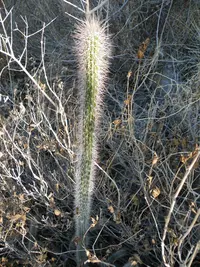
Install a sturdy, rough vertical support such as a wooden trellis or branch and loosely tie new stems as they elongate so the plant can climb instead of sprawling and kinking under its own weight.

Encourage branching

Pinch or cut the growing tip of overly long, bare stems in late spring to stimulate side shoots, creating a fuller plant with more potential flowering sites the following season.

Rotate for even growth

Quarter-turn the pot every 2–3 weeks during the brighter months so all sides receive similar light, which keeps the ribbed stems straight and reduces the risk of lopsided, top-heavy growth.

Manage winter rest

In regions with cool winters, move the plant to a bright, cool, and very dry spot during late fall and winter to provide a short rest period that often improves flowering performance the next year when growing Nyctocereus serpentinus.

Inspect ribs for pests

Check along the ribs and areoles every few weeks for mealybugs or scale, and if found, isolate the plant and treat promptly with cotton swabs dipped in isopropyl alcohol before an infestation becomes established.

Common Pests and Diseases

Mealybugs

This pest feeds on stem tissue and hides in the ribs and branch junctions, causing yellowing and weak, stunted growth. Symptoms include white, cottony clusters stuck to the spines and along the serpent-like stems.

Solution

Isolate the plant, then dab visible insects with cotton swabs dipped in 70% isopropyl alcohol and repeat weekly until no new clusters appear. Improve light and airflow, avoid overfertilizing, and for heavy infestations use a labeled systemic insecticide suitable for cacti, following the product directions carefully.

Spider mites

These insects thrive on Nyctocereus serpentinus in hot, dry indoor air and can cause pale, speckled stems and fine webbing between ribs and areoles. This pest weakens the plant over time and can distort new segments.

Solution

Rinse stems thoroughly with a firm but gentle stream of lukewarm water, including the undersides and crevices, then increase humidity slightly and improve air movement. For persistent infestations use repeated applications of insecticidal soap or neem oil, ensuring full coverage of the ribbed stems and allowing the plant to dry quickly afterward.

Scale insects

This pest appears as small, hard, brown or tan bumps tightly attached to the ribbed stems, often near the areoles. Symptoms include sticky honeydew, sooty mold growth, and gradual yellowing or thinning of the stems.

Solution

Manually remove scale with a soft brush or cloth moistened with diluted alcohol, working carefully along the ribs without damaging the epidermis. For larger populations use a systemic insecticide labeled for succulents and cacti and reduce plant stress by providing strong light and a dry, well-drained substrate as part of Nyctocereus serpentinus care instructions.

Fusarium stem rot

This disease is favored by cool, wet soil and poor drainage and can cause sunken, brown to purplish lesions on the lower stems that may spread upward. Symptoms include softening tissue at the base and eventual collapse of affected segments.

Solution

Remove and discard all visibly affected stem sections, cutting back into firm, unblemished tissue with a sterile blade, and allow the wounds to dry and callus before replanting. Improve conditions by using a very gritty cactus mix, watering only when the soil is fully dry, and maintaining warm temperatures to discourage the fungus.

Bacterial soft rot

This disease causes rapid softening and water-soaked, foul-smelling areas on the serpentine stems, often starting where mechanical injury or frost damage occurred. Symptoms include collapsing sections that turn dark and mushy in a short time.

Solution

Cut away all infected tissue well into healthy, firm stem with sterile tools and discard the rotted parts immediately, not into compost. After cutting, keep the plant dry in a warm, well-ventilated area until wounds callus, avoid overhead watering, and prevent future damage from cold drafts or rough handling that can open entry points for bacteria.

Interesting Facts

Night-blooming giant flowers

This cactus produces large, white, strongly scented flowers that open only at night and typically last just a single night, an adaptation to nocturnal pollinators such as moths and possibly bats.

Serpentine climbing stems

Its long, slender, many-ribbed stems can grow several meters and often lean or scramble over rocks and shrubs, giving a snake-like, trailing habit that is unusual compared with many upright columnar cacti.

Epiphytic and terrestrial habit

In parts of its native range in Mexico, this species can grow both rooted in rocky ground and as an epiphyte on trees, showing notable flexibility in how it anchors and supports itself.

Botan icon

Did you know?

In cultivation and specialist collections, this species has historically shifted between several genera (including Cereus and Peniocereus) because its combination of thin, climbing stems and large, nocturnal flowers makes it difficult to place within standard cactus growth-form categories.

FAQs about Nyctocereus serpentinus

Lack of flowers usually comes from insufficient light, excess nitrogen fertilizer, or keeping the plant too cool or overwatered in winter. A bright, warm site and a slightly drier, cooler rest period help initiate buds.

Grow Healthy Plants with Botan Care

Keep your plants happy and healthy with plant identification, disease detection, and easy care guidance.

Botan plant care app — identify plants on mobile

Explore More Plants