Mammillaria schiedeana Care

Mammillaria schiedeana

About Mammillaria schiedeana

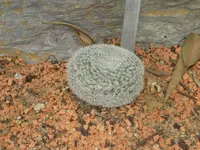
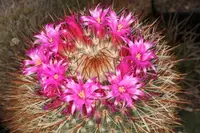
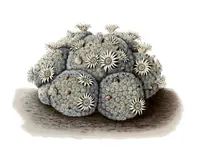
Mammillaria schiedeana is a small, clustering cactus known for its dense white spines that form a soft, feathery covering over the stems. It usually grows in tight clumps of rounded stems that stay compact, making it well suited to containers and small indoor displays.

This species is native to arid regions of central Mexico, where it grows on rocky slopes with excellent drainage and strong light. It is considered moderately easy to grow, but it dislikes prolonged moisture and poor air circulation. Understanding how to care for Mammillaria schiedeana starts with providing bright light, very well-drained gritty soil, and careful, infrequent watering.

Main Plant Requirements

Care Difficulty

Moderate Care

Light Preference

Full Sun

Water Requirements

Low Water

Temperature Preference

Warm Climate

Hardiness Zone

9–11

Soil Texture

Sandy, Rocky, Loamy

Soil pH

Slightly acidic (6.5–7.0), Neutral (7.0)

Soil Drainage

Well-drained

Fertilization

Minimal (feed rarely)

Get Personalized Care Plan

Scan your plant to receive care tips personalized for your specific plant

Available on iOS and Android

How to Care for the Mammillaria schiedeana

This small cactus prefers bright, mostly direct sun with some protection during the hottest hours.

  • Provide 4–6 hours of direct morning sun plus bright light the rest of the day; in very hot climates, give light shade from harsh afternoon sun.
  • In desert or rock garden settings, use nearby rocks or taller plants to create filtered light during midsummer to prevent stem scorch and yellowing.
  • Indoors, place Mammillaria schiedeana at a south- or west-facing window; if stems elongate or lean, supplement with a grow light for 10–12 hours.

Watering should mimic dry, desert-like conditions with brief, thorough soakings and long dry periods.

  • During active growth in spring–summer, water only when the top 3–5 cm of soil are completely dry, then soak and let all excess drain away.
  • In autumn, reduce watering sharply, and in winter in cool conditions keep almost dry, giving only a light drink every 4–6 weeks to prevent severe shriveling.
  • Use a fast-draining mineral-rich mix; soft, yellowing tissue or a sour smell indicates overwatering and possible root rot, while deep wrinkling signals underwatering.

This species prefers warm, dry conditions with a cool but not freezing winter rest.

  • Aim for 70–85°F (21–29°C) during active growth, with good air movement to handle short hot spells up to about 95°F (35°C) if shade and ventilation are provided.
  • Protect from hard frost; short dips to 28–32°F (-2–0°C) are sometimes tolerated if kept bone-dry, but tissue damage and scarring become more likely.
  • For stronger flowering, allow a cooler, drier winter rest around 45–55°F (7–13°C), avoiding sudden temperature swings and cold drafts on wet soil.

This small cactus thrives in dry indoor air and rarely needs humidity adjustment.

  • Target 30–50% relative humidity, similar to most heated or air-conditioned homes.
  • Tolerates much drier air; only prolonged damp, stagnant air raises rot risk.
  • Soft, swollen stems or blackened areoles indicate excess humidity combined with poor airflow, so improve ventilation and keep the plant drier.

Mammillaria schiedeana prefers a very fast-draining, mineral-rich substrate that dries quickly between waterings.

  • Use a gritty mix such as 50–70% mineral material (pumice, coarse sand, small gravel) with 30–50% cactus potting mix.
  • Aim for slightly acidic to neutral pH, roughly 6.0–7.0, avoiding strongly acidic or alkaline blends.
  • Increase aeration by using large mineral particles (3–6 mm) and avoiding fine peat that compacts around the roots.
  • Do not use dense, water-retentive garden soil or pure compost, which trap moisture and encourage root rot.

This species is well suited to container growing at home or in a greenhouse.

  • Choose a shallow, wide pot so the shallow roots can spread while the plant cluster stays stable as it offsets.
  • Select unglazed terracotta if extra evaporation is needed in cool or humid climates to reduce moisture around the roots.
  • Place the pot where it cannot be knocked or tilted, since the many small heads can become unstable if the container shifts.

This cactus grows well in lean soil but moderate feeding can support flowering and healthy growth for Mammillaria schiedeana.

  • Use a low-nitrogen, balanced cactus fertilizer (around 5-10-10) diluted to 1/4–1/2 strength in well-watered plants.
  • Feed once every 4–6 weeks during the active growing season in spring and summer.
  • Avoid organic composts that stay wet; choose mineral-based or liquid cactus formulas instead.
  • Stop feeding in fall and winter when growth slows, to prevent weak, elongated tissue.

Pruning needs are minimal and mainly focused on hygiene for Mammillaria schiedeana.

  • Best time for any cleanup is late spring to early summer, when growth is active and wounds seal faster.
  • Use clean, sharp tweezers or small scissors to remove dead, dried, or diseased offsets and old flowers.
  • Remove rotting or damaged stems at the base to prevent fungal spread and maintain a compact clump.
  • Avoid heavy cutting, which can scar the plant; shape control is usually done by thinning offsets rather than trimming stems.

Repotting is infrequent but important to maintain drainage and root health in Mammillaria schiedeana.

  • Repot every 3–4 years or when roots circle the pot, growth slows, or soil stays wet longer than usual.
  • Plan repotting for late spring, using a shallow pot with excellent drainage and a gritty cactus mix.
  • Gently loosen the root ball, remove old, compacted soil, and trim dead roots with sterile scissors.
  • Let roots dry 2–3 days before the first light watering to reduce transplant shock and rot risk.

Propagation of Mammillaria schiedeana is commonly done from offsets, with seeds as a secondary option.

  • Detach firm offsets in late spring or early summer using a sterile knife, keeping some basal tissue attached.
  • Allow cut surfaces to callus for 5–7 days in a dry, bright spot before setting on barely moist cactus mix.
  • Provide bright, indirect light, 70–80°F warmth, and very light moisture until roots form, then water normally.
  • For seeds, sow on the surface of sterile, fine, gritty mix, keep slightly moist, and maintain warm, bright conditions.

Winter care for Mammillaria schiedeana focuses on cold protection and very dry conditions to avoid rot.

  • Keep plants above 40°F; avoid exposure to hard frost or prolonged freezing temperatures.
  • Move containers indoors to a bright, cool, and dry spot before nights drop near 40°F.
  • Stop watering almost completely in winter, allowing the soil to remain dry around the roots.
  • In ground, use a sharply draining, gravelly bed and consider a temporary rain shield in very wet winters.

Care Tips

Maintain tight clustering

Rotate the pot 90° every 2–3 weeks during active growth so the heads receive even light and develop a compact, symmetrical clump rather than leaning toward one side.

Use top dressing

Apply a 0.5–1 cm layer of clean pumice, coarse sand, or fine gravel on the soil surface to keep the wool and spines dry at the base and reduce the risk of rot and fungus gnats.

Protect delicate spines

Handle plants only by the pot and use narrow tongs or folded paper collars for repotting, since the fine radial spines and wool easily break and do not regenerate well.

Encourage flowering cycle

Provide a cool, dry rest period in winter, then resume moderate watering and strong light in spring so the plant sets a tight ring of buds and produces its characteristic floral crown more reliably when growing Mammillaria schiedeana.

Monitor for root mealybugs

At each repotting, gently knock off the old soil and inspect roots for white cottony insects, then discard infested soil and treat roots with an appropriate systemic or contact insecticide before replanting in fresh mix.

Common Pests and Diseases

Mealybugs

This pest often hides in the woolly areoles and between clustered stems where it is sheltered from light and air movement. Symptoms include white cottony masses, honeydew, and slow, weakened growth.

Solution

Remove visible insects with a cotton swab dipped in 70% isopropyl alcohol, then repeat checks weekly and treat any new clusters. Improve light and airflow around the plant and, if needed, use a low-residue systemic insecticide labeled for cacti according to the manufacturer’s directions.

Red spider mites

These insects favor dry, warm conditions and can colonize the fine spines and wool, causing a dusty appearance. Symptoms include pale or rusty patches on the epidermis and very fine webbing in severe cases.

Solution

Increase humidity slightly around the plant without wetting the body for long periods, then rinse the cactus under a gentle stream of water to dislodge mites. For persistent infestations, apply a miticide or neem-based product labeled for indoor succulents, repeating as directed to catch new hatchlings.

Scale insects

This pest attaches firmly to the ribs and base of stems, often resembling small brown or gray bumps on the cactus surface. Symptoms include yellowing spots, weakened tissue, and sticky honeydew that can encourage sooty mold.

Solution

Scrape off individual scales gently with a soft brush or wooden stick and wipe affected areas with 70% isopropyl alcohol. For heavier infestations, use a systemic insecticide suitable for cacti and isolate the plant from others until new growth appears clean.

Corking and scab lesions

This disease-like condition can be triggered by minor injuries, rapid swings in moisture, or sun stress, leading to tan, corky patches on the lower or exposed sides of stems. Symptoms include rough, dry, brown areas that may expand but usually remain firm rather than soft or mushy.

Solution

Stabilize conditions by keeping watering consistent, avoiding sudden moves from shade to full sun, and protecting the plant from mechanical damage. Remove only clearly dead or cracked tissue with a sterile blade, and ensure the plant receives bright but not scorching light to limit further scarring while growing Mammillaria schiedeana.

Fungal stem rot

This disease often starts at a small wound or at the base where moisture lingers, then spreads internally through the dense clusters. Symptoms include soft, discolored tissue, collapse of individual heads, and sometimes a foul odor.

Solution

At the first sign of soft spots, cut out all affected tissue with a sterile knife until only firm, healthy tissue remains, then allow the plant to dry and callus in bright, dry conditions. Reduce watering frequency, ensure the potting mix is very fast-draining mineral substrate, and improve airflow to prevent future infections.

Interesting Facts

Fine feathery spines

This species is distinguished by its very fine, hair-like radial spines that create a soft, feathery appearance, unlike the stiffer spines of many other Mammillaria species.

Miniature limestone specialist

In nature it grows as small clumps wedged into cracks and shallow pockets on limestone outcrops in central Mexico, tightly adapted to bright sun, high drainage, and very little organic material in the soil.

Ring of pale flowers

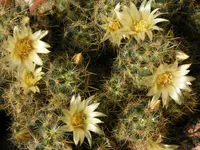
It produces small, creamy white to pale yellow flowers that form a near-complete ring around the upper portion of the stem, a characteristic feature often highlighted in Mammillaria schiedeana care instructions.

Botan icon

Did you know?

Mammillaria schiedeana is considered endangered in parts of its native Mexican range because habitat loss and illegal collection have severely reduced some wild populations, leading to legal protection and recommendations to obtain only nursery-propagated plants.

FAQs about Mammillaria schiedeana

This species usually blooms in late winter to spring, producing small, pale cream to yellowish flowers arranged in a ring near the stem top. Flowers are tubular, about 1–1.5 cm, and sometimes followed by red seed pods.

Grow Healthy Plants with Botan Care

Keep your plants happy and healthy with plant identification, disease detection, and easy care guidance.


Botan plant care app — identify plants on mobile

Explore More Plants