hedgehog agave Care (Agave stricta)

hedgehog agave

About hedgehog agave

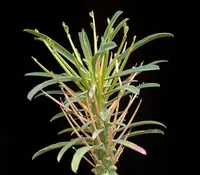
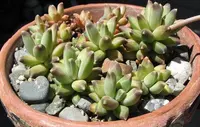
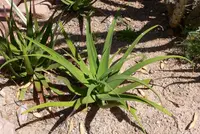
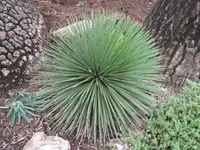
Hedgehog agave (Agave stricta) is a small, slow-growing succulent that forms dense, spherical rosettes of stiff, narrow leaves with sharp tips. The foliage creates a neat, spiky dome that stays compact, making it suitable for containers and small dry gardens.

This species is native to arid regions of central Mexico, where it grows in rocky, well-drained soils under intense sun. Its drought tolerance and minimal foliage drop make it relatively low maintenance if given strong light and excellent drainage.

Gardeners who want to care for hedgehog agave should provide bright exposure, infrequent but deep watering, and gritty soil that dries quickly between waterings.

Main Plant Requirements

Care Difficulty

Easy Care

Light Preference

Full Sun

Water Requirements

Low Water

Temperature Preference

Warm Climate

Hardiness Zone

8–11

Soil Texture

Sandy, Loamy, Rocky

Soil pH

Slightly acidic (6.5–7.0), Neutral (7.0)

Soil Drainage

Well-drained

Fertilization

Minimal (feed rarely)

Get Personalized Care Plan

Scan your plant to receive care tips personalized for your specific plant

Available on iOS and Android

How to Care for the hedgehog agave

This desert species thrives in strong light but benefits from some protection from the harshest sun.

  • Provide 6–8 hours of direct sun daily; full sun suits established plants, especially in dry climates, and helps maintain the tight, spiky form of hedgehog agave.
  • In very hot regions, give morning sun with light afternoon shade or filtered light after 2–3 p.m. to reduce leaf scorch and bleaching.
  • In cooler or cloudy climates, choose the brightest, south- or west-facing position and avoid dense shade, which leads to elongated, weak growth.

This succulent stores water in its leaves and needs infrequent, deep watering in fast-draining soil.

  • Allow the top 5–8 cm of soil to dry completely before watering; in hot, dry periods this may mean watering every 10–21 days in the ground, less often in heavy soils.
  • Reduce watering sharply in fall and winter, only watering when leaves begin to lose firmness or wrinkle slightly, which indicates mild dehydration.
  • Ensure excellent drainage with gritty or sandy soil; soft, yellowing leaves, a sulfur smell, or a wobbly base signal possible root rot from overwatering in Agave stricta.

This species prefers warm, arid conditions and tolerates substantial heat once established.

  • Optimal growth occurs around 70–90°F (21–32°C), with plants remaining active and producing compact rosettes in these temperatures.
  • Mature plants can survive brief drops to about 20–25°F (-6 to -4°C) if soil is very well drained and foliage is dry, but prolonged freezes increase damage risk.
  • In hot spells above 100°F (38°C), airflow and dry soil are important; avoid overhead watering in the evening, which can increase tissue stress and rot.

Agave stricta tolerates a wide humidity range and rarely needs adjustment in typical indoor air.

  • Aim for 30–50% relative humidity, similar to most heated or air-conditioned homes.
  • The plant tolerates very dry air; hedgehog agave is more likely to suffer from overwatering than low humidity.
  • If leaf tips brown while the soil stays dry and watering is correct, briefly increase humidity with a nearby open tray of water, not misting.

Agave stricta needs a very fast-draining, mineral-based soil mix to prevent root rot.

  • Use a gritty mixture such as 50–70% coarse mineral material (pumice, perlite, grit, or coarse sand) with 30–50% cactus potting mix.
  • Ensure the texture stays loose and crumbly, not compacted, so roots receive steady air flow.
  • Keep pH slightly acidic to neutral, around 6.0–7.0, which most commercial cactus mixes provide.
  • Avoid peat-heavy, fine, or water-retentive mixes that stay wet for longer than 2–3 days after watering.

This species is well suited to container growing when the pot is chosen to manage its fibrous root system and rosette weight.

  • Select a pot only slightly wider than the rosette to limit excess wet substrate that can sour around the roots.
  • Choose a heavier clay or ceramic container outdoors to resist tipping from the stiff, outward-pointing leaves and wind.
  • Elevate the pot on feet or a stand so water clears the drainage holes quickly and salts do not accumulate at the base.

This desert-adapted species needs only light feeding, so focus on modest nutrients rather than rich soil.

  • Use a low-dose balanced NPK succulent fertilizer or very thin compost tea on mature hedgehog agave in active growth.
  • Feed once in late spring and again mid-summer; avoid late-season applications that push soft growth.
  • Dilute liquid fertilizer to 25–50% strength to prevent root burn in gritty, fast-draining soil.
  • Do not feed in winter dormancy; maintain bright light and correct watering instead of adding nutrients.

Agave stricta needs minimal pruning, mainly for cleanliness and safety around the sharp leaf tips.

  • Best time for any pruning is late spring to early summer, when the plant is actively growing.
  • Remove only dead, rotting, or severely damaged leaves at the base, cutting as close to the stem as practical.
  • Use long-handled pruners and thick gloves to avoid injury from rigid, spiny foliage.
  • Limit pruning to problem leaves so the rosette keeps its natural spherical form and unimpeded flowering.

Container-grown plants need infrequent repotting, while landscape plants are usually moved only when necessary.

  • Repot every 3–5 years or when roots circle the pot, drainage slows, or growth noticeably declines.
  • Plan repotting or transplanting of Agave stricta for late spring, after frost risk, to encourage fast root recovery.
  • Use a wide, shallow container or well-drained outdoor site with gritty, mineral soil to limit waterlogging.
  • Water lightly after moving, then allow the mix to dry between waterings to reduce root stress and rot risk.

This species is most often propagated from offsets, with seed used mainly by collectors or nurseries.

  • In late spring or early summer, detach well-formed offsets with a clean, sharp knife at the base.
  • Let cut surfaces dry and callus for 3–7 days in a shaded, airy place before planting.
  • Set offsets into barely moist, fast-draining cactus mix and keep warm with bright, indirect light for rooting.
  • For seeds, sow on the surface of a sterile, gritty mix, maintain 70–80°F, and keep slightly moist until germination.

This agave is somewhat cold tolerant but benefits from protection in colder regions or very wet winters.

  • In-ground plants in mild climates tolerate brief light frosts if soil is sharply drained.
  • Apply a 2–5 cm gravel mulch around the base to keep the crown dry and insulate roots slightly.
  • In areas below about 20°F, grow in containers and move indoors to a bright, cool, dry location.
  • Reduce watering sharply in winter so the soil stays mostly dry, which improves cold resilience and limits rot.

Care Tips

Encourage Tight Rosettes

Rotate containers a quarter turn every 2–3 weeks so all sides receive similar light, which maintains a symmetrical, dense rosette instead of a lopsided plant.

Optimize Container Depth

Choose a pot that is wider than it is deep, with a heavy base, to support the shallow, fibrous roots and prevent the top-heavy plant from tipping in strong wind.

Protect From Winter Wet

In regions with cool, wet winters, place plants under a roof overhang or use a simple clear rain shield so the crown stays dry while still receiving bright light and airflow.

Use Mineral Mulch

Apply a 2–3 cm layer of coarse grit or small gravel around the base to keep leaves off wet soil, reduce crown rot risk, and reflect heat back to the plant when trying to grow Agave stricta outdoors.

Safe Pup Removal

When offsets appear, wait until each has several leaves and visible roots, then cut it away with a clean, angled slice and let the wound dry 2–3 days before replanting in dry, gritty mix.

Common Pests and Diseases

Agave snout weevil

This pest is a beetle whose larvae tunnel into the base of the rosette, causing sudden collapse of leaves and a foul, fermenting smell at the crown. Symptoms include yellowing, wilting, and a soft, rotten core even though the soil may be dry.

Solution

Remove and destroy any affected plants immediately, including the main root, to prevent the weevils from spreading, and discard soil from the planting hole if heavily infested. For prevention, avoid wounding the plant, keep it growing in very well‑drained soil, and in outdoor landscapes use a systemic insecticide drench labeled for ornamental agaves in early spring if snout weevils are known in the area.

Scale insects

These insects attach to leaves and leaf bases, forming small, rounded or oval bumps that may be brown, gray, or white, and they suck sap, causing yellow spots and general decline. This pest often hides deep between stiff leaves where air circulation is low.

Solution

Physically remove visible scales using a cotton swab or soft brush dipped in isopropyl alcohol, then rinse the rosette thoroughly with a strong but controlled stream of water to dislodge remaining insects. For persistent infestations, apply a horticultural oil or systemic insecticide labeled for succulents, and reduce crowding around plants to improve airflow, which helps make conditions less favorable for scale buildup.

Mealybugs

These insects appear as white, cottony clusters lodged in the tight leaf axils and among spines, where they feed on sap and excrete sticky honeydew. Symptoms include distorted new growth, slow decline, and sometimes sooty mold growing on the honeydew.

Solution

Blast the plant with water to remove loose insects, then spot treat remaining clusters with isopropyl alcohol on a cotton swab, taking care to reach deep between leaves. If the population is high, use a systemic insecticide or insecticidal soap labeled for succulents, and keep the plant in bright, dry, well‑ventilated conditions to discourage reinfestation as part of broader Agave stricta plant care.

Anthracnose leaf spots

This disease is a fungal infection that produces small, sunken, tan to dark brown spots on leaves, sometimes with a darker border and slight yellow halo. Symptoms include scattered lesions that can merge into larger patches under warm, humid conditions or if water sits on the leaves for long periods.

Solution

Trim off heavily spotted leaves with clean tools and dispose of them in the trash, then keep water off the rosette by watering at the soil level only. Improve airflow around the plant, avoid overhead irrigation, and, if the problem persists outdoors, apply a copper‑based or other labeled fungicide according to instructions, especially during warm, wet periods.

Bacterial soft rot

This disease causes the central crown or individual leaves to become soft, water-soaked, and foul-smelling, often starting at a wound or cramped, persistently damp area in the rosette. Symptoms include rapid tissue collapse and slimy, discolored areas at the leaf bases.

Solution

Immediately remove and discard any affected plant, including surrounding organic debris, because the bacteria spread easily through water and contaminated tools. To prevent new cases, plant hedgehog agave in very well‑drained soil or a gritty potting mix, keep water out of the rosette, avoid mechanical injuries, and sterilize cutting tools with alcohol or a 10% bleach solution before and after use.

Interesting Facts

Hedgehog rosette geometry

This species forms dense spherical rosettes covered in evenly spaced narrow leaves that radiate outward, creating a hedgehog-like geometry that minimizes self-shading while exposing maximum surface to sunlight in open desert habitats.

Fine marginal spines

Unlike many large agaves, this plant has many very small, closely set marginal spines instead of a few large teeth, which helps reduce herbivory while limiting water loss from large tissue wounds.

Pup-forming colonies

Agave stricta offsets freely at the base, producing tight clumps that can grow into broad colonies; this clonal growth helps stabilize shallow, rocky soils and ensures persistence even when individual rosettes die after flowering.

Botan icon

Did you know?

In its native habitat of arid central Mexico, Agave stricta often grows on gypsum-rich or otherwise mineral-poor soils where many other species struggle, showing a notable tolerance for high soil salinity and low nutrient availability.

FAQs about hedgehog agave

This species usually needs many years to flower, often 10+ years, and must be mature, well-rooted, and sun-grown. Cooler winters and strong light help trigger blooming, while overfertilizing or frequent disturbance can delay it.

Grow Healthy Plants with Botan Care

Keep your plants happy and healthy with plant identification, disease detection, and easy care guidance.

Botan plant care app — identify plants on mobile

Explore More Plants