Rebutia canigueralii Care

Rebutia canigueralii

About Rebutia canigueralii

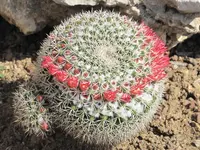
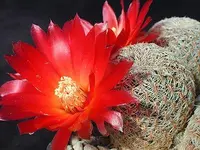
Rebutia canigueralii is a small, clumping cactus from the highlands of Bolivia. It forms tight mounds of rounded stems covered in short, fine spines. In spring and early summer, it produces relatively large funnel-shaped flowers that ring the sides of the stems, often in bright orange or red tones, creating a striking contrast with the body. This compact growth habit makes it suitable for windowsills and small container collections. The species is adapted to strong light, cool nights, and well-drained, mineral soils, which helps explain its sensitivity to excess moisture. Once these needs are understood, it is straightforward to care for Rebutia canigueralii in typical home conditions.

Main Plant Requirements

Care Difficulty

Easy Care

Light Preference

Full Sun

Water Requirements

Low Water

Temperature Preference

Warm Climate

Hardiness Zone

9–11

Soil Texture

Sandy, Loamy, Rocky

Soil pH

Acidic (5.5–6.5), Slightly acidic (6.5–7.0)

Soil Drainage

Well-drained

Fertilization

Minimal (feed rarely)

Get Personalized Care Plan

Scan your plant to receive care tips personalized for your specific plant

Available on iOS and Android

How to Care for the Rebutia canigueralii

This small Bolivian cactus prefers bright, indirect light with some gentle direct sun each day.

  • Provide 4–6 hours of morning sun or late-afternoon sun, with light shade during harsh midday hours, especially in summer.
  • Outdoors, place Rebutia canigueralii where it receives filtered light or broken sun; indoors, use a bright south- or east-facing window with sheer curtain if light is intense.
  • Watch for signs of stress: yellowed, bleached, or corky patches indicate too much sun; thin, elongated growth indicates insufficient light, especially in winter.

This cactus prefers thorough but infrequent watering that allows the soil to dry between soakings.

  • Water only when the top 2–4 cm of soil are completely dry, then soak until water drains freely; discard any standing water in saucers or cachepots.
  • Use a very fast-draining mineral-rich mix; in heavy garden soil, grow Rebutia canigueralii on a raised, gritty mound or rock garden to prevent root rot.
  • Reduce watering sharply in winter, giving only enough to prevent shriveling; soft, blackened tissue suggests overwatering, while deep wrinkling signals prolonged drought.

This species prefers warm days, cool nights, and a dry, chilly rest in winter.

  • For active growth, aim for 65–80°F (18–27°C) by day and slightly cooler nights; provide excellent air movement in warm, humid weather.
  • The plant tolerates brief drops to about 30–32°F (-1–0°C) if completely dry, but repeated or wet frosts damage stems and roots.
  • In winter, a cool, bright spot around 40–50°F (4–10°C) encourages bud formation; in heat above 90°F (32°C), increase shade and airflow to prevent overheating.

This cactus handles typical indoor humidity but prefers air on the dry side.

  • Aim for 30–40% humidity, similar to a heated, dry room, for stable growth in Rebutia canigueralii.
  • Dry air is usually tolerated; problems arise more from excess moisture around the stem than from low humidity.
  • Humidity stress appears as soft, pale, or rotting tissue at the base; increase airflow rather than misting to prevent this.

This species needs a very fast-draining, mineral-based soil that dries quickly between waterings.

  • Use a gritty mix such as 50–70% inorganic material (pumice, coarse sand, or small gravel) with 30–50% cactus potting mix.
  • Choose a sharply draining structure where water runs through in seconds and the surface dries fully within 1–2 days.
  • Keep pH slightly acidic to neutral, around 6.0–7.0, which suits most commercial cactus substrates.
  • Avoid peat-heavy, compact, or water-retentive mixes; add extra pumice or perlite to improve aeration and prevent root rot in Rebutia canigueralii.

This compact cactus is very suitable for container growing.

  • Select a pot only slightly wider than the plant cluster so the shallow roots occupy the space and excess soil does not stay wet.
  • Use a container with generous drainage holes and elevate it on pot feet or stones to speed water escape from the base.
  • Prefer unglazed terracotta if moisture lingers, since its porous walls help excess water evaporate faster than plastic.

This small cactus benefits from light feeding during active growth but stays healthy on a lean schedule, so caring for Rebutia canigueralii is straightforward.

  • Apply a balanced liquid cactus fertilizer (around 5-5-5 to 10-10-10) at 1/4–1/2 strength during spring–summer.
  • Feed every 4–6 weeks only when the plant is actively growing and soil is warm.
  • Skip compost and rich organic feeds that hold moisture and can cause root rot.
  • Stop fertilizing in fall–winter to allow full dormancy and reduce soft, weak growth.

Rebutia canigueralii needs minimal pruning, mainly to maintain hygiene and a tidy clump shape.

  • Best timing is late spring to early summer, when growth is active and wounds seal faster.
  • Use clean, sharp tweezers or scissors to remove dried flowers, dead heads, or rotting offsets.
  • Cut away damaged or diseased tissue back to firm, healthy green tissue to limit spread.
  • Removing a few crowded offsets can improve air flow and highlight individual heads and flowers.

This cactus prefers to stay slightly root-bound, so repot only when needed to maintain health and drainage.

  • Check for roots circling the pot, pushing through drainage holes, or stalled growth as repotting signals.
  • Plan to repot every 3–4 years in late winter to early spring, just before active growth.
  • Use a shallow pot with fast-draining cactus mix; gently loosen roots and remove old, compacted soil.
  • Keep the root ball mostly intact, wait 5–7 days before the first light watering, and shade from strong sun to reduce stress.

Rebutia canigueralii is commonly propagated from offsets and seeds under warm, bright, and dry-leaning conditions.

  • Detach offsets in late spring–summer, letting cut surfaces callus for 3–7 days before potting.
  • Place offsets on slightly moist cactus mix, providing bright indirect light and 70–80°F warmth.
  • For seeds, sow on the surface of sterile, fine cactus mix and barely cover or gently press in.
  • Maintain light moisture and good air movement; germination usually occurs within several weeks in stable warmth.

This cactus benefits from a cool, dry winter rest and is not suited to prolonged freezing conditions.

  • Keep indoor plants around 40–50°F with very bright light and almost completely dry soil.
  • Outdoors, avoid exposure below about 25°F; brief light frosts are tolerated only if soil is dry.
  • Move container plants under cover or indoors before hard frost and provide maximum sun.
  • Do not water in winter except a light splash once if stems start to shrivel severely.

Care Tips

Encourage Offsets

Rotate the pot a quarter turn every 2–3 weeks during active growth so light reaches all sides evenly, which encourages uniform offset production around the main stem for a balanced clump.

Controlled Winter Rest

From late fall to late winter, hold the plant at 40–50°F in a bright, dry spot and keep the compost almost completely dry to promote stronger flowering the following spring.

Pot Clump Tightly

Use a shallow, slightly snug pot and repot only when offsets press firmly against the pot edge, as a slightly crowded root system supports better blooming and a tighter cushion form.

Targeted Pest Checks

Inspect the woolly areoles and the base of the offsets with a hand lens every month for mealybugs or red spider mites, and isolate and treat at the first sign of pests before they spread through the clump.

Protect From Summer Rains

If kept outdoors, place the plant under a rain shield or overhang in summer so short, infrequent waterings dry quickly and the crown does not sit wet, which is critical when caring for Rebutia canigueralii in humid climates.

Common Pests and Diseases

Spider mites

This pest thrives on small, tightly spined stems and can cause fine webbing between areoles and a dull, stippled surface. Symptoms include slowed growth and a dusty appearance, especially in warm, dry indoor conditions.

Solution

Increase humidity around the plant slightly without keeping the soil wet, and rinse the cactus under a gentle stream of lukewarm water to wash off mites and webs. Follow with repeated applications of insecticidal soap or a neem-based spray every 5–7 days, ensuring good air circulation and bright light to support recovery.

Mealybugs

These insects hide in the woolly crown and between offsets, appearing as white cottony clusters that suck sap and weaken the plant. Symptoms include stunted growth, yellowing tissue, and sticky residue around the base or in crevices.

Solution

Isolate the plant and remove visible mealybugs with a cotton swab dipped in isopropyl alcohol, paying special attention to the crown and between pups. For Rebutia canigueralii care, repeat treatments weekly with alcohol swabs or a systemic insecticide labeled for cacti, and inspect regularly to catch reinfestations early.

Corking from fungal infection

This disease can start where water sits against the stem and progress from soft, discolored spots to hard, brown, corky tissue. Symptoms include localized yellowing that later turns tan or brown, often at the soil line or on the side facing poor airflow.

Solution

Cut away affected soft tissue with a sterile knife until only firm, healthy tissue remains, and dust cuts with dry sulfur or a copper-based fungicidal powder. Allow the plant to dry in bright, indirect light for several days, then replant in a fresh, very fast-draining cactus mix and avoid overhead watering so the stem remains dry.

Basal stem rot

This disease often develops at the base where moisture and compacted soil remain in contact with the stem, causing soft, dark, water-soaked tissue. Symptoms include yellowing or shriveling of the upper body while the base becomes mushy and may emit a foul smell.

Solution

Unpot the plant, cut away any soft, dark tissue, and discard badly affected roots and soil. Allow the cleaned, healthy portion to dry and callus for several days, then re-root in a sterile, gritty mix, watering very lightly until new roots form and ensuring the pot and substrate drain rapidly.

Scale insects

These insects attach tightly to the ribs and around areoles as small, hard bumps that are often tan or brown, drawing sap and weakening the cactus. Symptoms include uneven yellow patches, slow growth, and sticky honeydew on the pot or nearby surfaces.

Solution

Manually remove scales with a soft brush or cotton swab dipped in isopropyl alcohol, then rinse the plant gently to clear residues. Follow with 2–3 rounds of horticultural oil or systemic insect treatment at label rates, while keeping the plant in bright light and a dry, well-ventilated position to discourage recurrence.

Interesting Facts

Miniature clustering habit

This species naturally forms tight clusters of many small, round stems connected at the base, creating a dense cushion-like mound rather than a single main stem.

High-altitude origin

It is native to rocky slopes in the Bolivian Andes, where it experiences intense sun, large day–night temperature swings, and very free-draining mineral soils.

Showy ringed flowering

Mature plants often produce bright orange to red funnel-shaped flowers in a circular band around the sides of the stems, creating a striking ring of color when many offsets bloom together.

FAQs about Rebutia canigueralii

This species usually blooms in spring to early summer, producing bright funnel-shaped flowers around the crown. Well-grown plants often form a ring of blooms, creating a very noticeable display on a relatively small body.

Grow Healthy Plants with Botan Care

Keep your plants happy and healthy with plant identification, disease detection, and easy care guidance.

Botan plant care app — identify plants on mobile

Explore More Plants