smallflower fishhook cactus Care (Sclerocactus parviflorus)

Also known as: Canyonlands Fishhook Cactus
smallflower fishhook cactus

About smallflower fishhook cactus

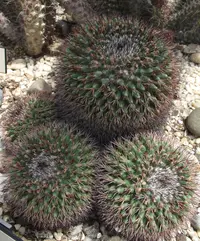
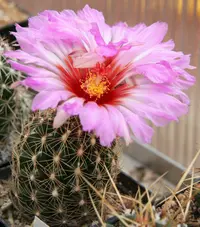
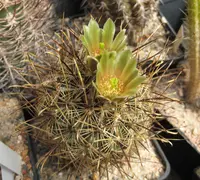
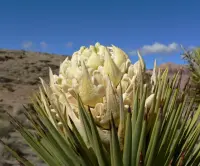
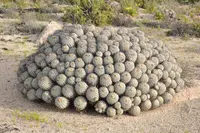
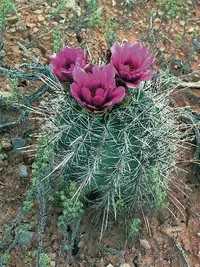
The smallflower fishhook cactus, Sclerocactus parviflorus, is a compact, slow-growing desert cactus native to arid regions of the southwestern United States. It forms a rounded, spiny ball with dense, curved central spines that resemble small hooks and produce modest, cup-shaped flowers near the crown.

This species is adapted to harsh, dry conditions and often grows in rocky, well-drained soils at higher elevations. Its slow growth and sensitivity to excess moisture make it more challenging than common house cacti, so it suits patient growers.

Bright light, very sharp drainage, and careful watering are the main factors that influence how to care for smallflower fishhook cactus successfully in cultivation.

Main Plant Requirements

Care Difficulty

Hard Care

Light Preference

Full Sun

Water Requirements

Low Water

Temperature Preference

Cold Hardy

Hardiness Zone

4–9

Soil Texture

Sandy, Loamy, Rocky

Soil pH

Slightly acidic (6.5–7.0), Neutral (7.0)

Soil Drainage

Well-drained

Fertilization

Minimal (feed rarely)

Get Personalized Care Plan

Scan your plant to receive care tips personalized for your specific plant

Available on iOS and Android

How to Care for the smallflower fishhook cactus

This desert species needs intense light that mimics full, open habitats to stay compact and healthy.

  • Provide 6–10 hours of direct sun daily in the ground; morning to early afternoon sun is ideal, with some protection from harsh late-afternoon summer sun in very hot regions.
  • In cool or high-elevation areas, full sun all day is usually tolerated; in hotter low deserts, light afternoon shade helps prevent scorching and stem yellowing.
  • Outdoors, avoid dense shade, which causes elongated, weak growth; smallflower fishhook cactus should cast a sharp shadow at midday during the main growing season.

This cactus is highly drought-adapted and needs sparse, careful watering to avoid root rot.

  • In the growing season, water only when the soil is completely dry several cm down; in natural ground, this can mean long gaps between waterings depending on rainfall.
  • Use very fast-draining, gravelly soil so water runs through within seconds; water deeply but infrequently, then let the root zone fully dry before watering again.
  • Reduce or stop watering in cool months; a shriveling, slightly wrinkled stem suggests mild drought stress, while blackened bases or mushy tissue point to overwatering in Sclerocactus parviflorus.

This cold-hardy desert cactus tolerates wide temperature swings but still has clear limits.

  • Active growth is best around 60–80°F (16–27°C); brief spikes to 90–95°F (32–35°C) are tolerated if soil is dry and airflow is good.
  • Mature plants can survive drops near 10–15°F (-12–-9°C) if soil is very well drained and the crown stays relatively dry, but prolonged freezing in wet soil increases rot risk.
  • During winter dormancy, cool conditions around 35–50°F (2–10°C) with minimal moisture help harden the plant, while extreme heat above 100°F (38°C) requires shade and very sparse watering.

Humidity is rarely a concern for this desert cactus and it thrives in dry indoor air.

  • Target 20–40% relative humidity, similar to a typical heated or air‑conditioned home.
  • Smallflower fishhook cactus tolerates very dry air but may show stress as shriveled, soft tissue if combined with overwatering, not low humidity alone.
  • Avoid humidifiers, pebble trays, or crowding with humidity-loving plants, which raise moisture around the stem and encourage rot.

This species needs a very fast-draining, mineral-heavy substrate that dries quickly after watering.

  • Use a coarse, gritty mix: 50–70% mineral components such as pumice, lava rock, or coarse sand, with 30–50% cactus potting mix.
  • Aim for a lean, low-organic texture that stays loose; avoid peat-heavy blends that compact, stay wet, and suffocate roots.
  • Keep pH slightly acidic to neutral, roughly 6.0–7.5, which suits Sclerocactus parviflorus in cultivation.
  • Improve aeration by adding extra pumice or small gravel so water runs through in seconds and no fine silt clogs pore spaces.

This cactus is suitable for container growing when planted in a stable, fast-draining setup.

  • Choose a deep, heavy terracotta or clay pot to anchor the taproot and reduce tipping in strong sun or wind.
  • Select a pot just slightly wider than the plant body so the mix dries evenly and does not stay wet around empty soil pockets.
  • Raise the pot on feet or bricks outdoors so drainage holes clear quickly and no water pools under the container after rain or watering.

This desert cactus needs minimal feeding, as smallflower fishhook cactus is adapted to nutrient-poor soils.

  • Use a very dilute (1/4-strength) balanced liquid fertilizer (e.g., 10-10-10) or a low-dose cactus formula during active spring growth.
  • Apply no more than 1–2 light feedings per growing season for container plants; avoid fertilizing in the ground unless soil is extremely poor.
  • Stop feeding completely in fall and winter dormancy to prevent weak, elongated growth and root damage.
  • Always water lightly before applying fertilizer to reduce the risk of root burn in this sensitive species.

Sclerocactus parviflorus requires almost no structural pruning, only occasional sanitary cleanup.

  • Carry out any work in late spring or early summer when the plant is actively growing and stress recovery is fastest.
  • Remove only dead, dried, or diseased stems and any rotting tissue, leaving healthy spines and ribs intact.
  • Use long tweezers and clean, sharp scissors or pruners to access affected areas without crushing the stem.
  • Disinfect tools before and after cutting, and allow any wounds to dry in airy, low-humidity conditions to limit infection.

Handling this cactus is stressful for the roots, so repot or transplant Sclerocactus parviflorus only when clearly necessary.

  • Look for roots circling the drainage holes, soil that dries almost instantly, or stalled growth in otherwise good conditions before considering repotting.
  • Plan any move for late spring, using a shallow pot with excellent drainage and a very gritty, mineral cactus mix.
  • Lift the plant gently, teasing roots as little as possible; keep the original root ball mostly intact to reduce shock.
  • After transplanting, keep the plant dry and shaded for 5–7 days, then resume careful watering to encourage new root growth.

Propagation of Sclerocactus parviflorus is specialized and usually done from seed under controlled conditions rather than at home.

  • Use fresh, legally sourced seed and sow in late winter to early spring in a sterile, very gritty, free-draining mix.
  • Provide bright light without scorching, with temperatures around 65–75°F and steady, lightly moist (not wet) conditions for germination.
  • Many growers use cold stratification or brief scarification to improve germination of the hard seed coat, then maintain patience as sprouting may be slow.
  • Keep seedlings in small containers for several years, avoiding disturbance and overwatering while they develop strong taproots.

This species is quite cold tolerant when kept dry, but container plants benefit from some targeted winter care.

  • In-ground plants in well-drained soil can tolerate frost and short periods near or slightly below 0°F if the root zone stays dry.
  • Avoid winter watering outdoors; excess moisture in cold soil greatly increases the risk of rot.
  • Move containers to a bright, unheated indoor or sheltered space around 35–50°F, keeping them almost completely dry.
  • In very wet winter climates, grow Sclerocactus parviflorus in a raised bed or under a simple rain shelter to limit soil saturation.

Care Tips

Cold-frame protection

In regions with wet winters, place pots in a cold frame or under a simple rain shelter from late fall to early spring so the plant experiences cold dormancy without prolonged soil saturation that can rot the taproot.

Deep pot selection

Use an extra-deep, narrow pot so the strong taproot can develop fully and anchor the plant, which improves long-term stability and reduces stress during summer heat.

Grit topdressing

Apply a 1–2 cm layer of coarse grit or small gravel on the soil surface to keep the neck of the cactus dry, reduce algae and moss, and make it easier to spot early signs of rot or pests.

Controlled outdoor hardening

When moving a plant from indoor conditions to full outdoor sun, increase direct sun exposure by about 30–60 minutes per day over 1–2 weeks to prevent epidermal scorch on the small ribs and tubercles.

Minimal disturbance repotting

Repot only when the pot is clearly full, then slide the root ball out with minimal shaking or teasing of roots and keep the plant dry for 5–7 days afterward to allow damaged roots to callus, which is critical when caring for smallflower fishhook cactus.

Common Pests and Diseases

Red spider mites

This pest thrives in hot, very dry conditions and may cause a dull, dusty look on stems with fine webbing between spines. Symptoms include slow decline, tiny yellow stippling, and reduced flowering.

Solution

Increase air movement and, if the plant is in a very sheltered indoor or greenhouse spot, briefly mist the area around the cactus (not saturating the body) to disrupt mites, then gently spray the plant with a strong stream of water to remove webbing. For persistent infestations, use a targeted miticide or insecticidal soap labeled for cacti, applied in the cooler part of the day, and repeat as directed while avoiding prolonged wetting of the growing point.

Mealybugs

These insects hide in spine clusters and in the root zone, forming cottony white patches and causing yellowing, shriveling, and weak growth. This pest is more likely when plants are stressed by poor light, stale air, or overfertilization.

Solution

Isolate the plant, then use a cotton swab dipped in 70% isopropyl alcohol to dab visible mealybugs on stems and between spines. If root mealybugs are suspected, unpot the cactus, wash off soil, trim heavily infested roots, soak the root ball briefly in an appropriate systemic insecticide solution, then repot into fresh, very mineral, free-draining mix and reduce watering while roots reestablish.

Scale insects

These insects appear as small, hard, tan to brown bumps on ribs and around areoles, drawing sap and leaving pits or yellow spots on the cactus body. Over time, symptoms include stunted growth and increased susceptibility to fungal infections.

Solution

Manually remove individual scale with a soft brush or wooden stick, then wipe the surface carefully with a cloth lightly moistened with diluted alcohol, avoiding damage to the epidermis. For larger infestations, apply a systemic insecticide suitable for cacti and repeat after 10–14 days, keeping the plant dry and in bright, airy conditions to reduce reinfestation risk.

Fusarium stem canker

This disease causes localized sunken, brown to black lesions that may exude dark fluid and can extend into the vascular tissue, leading to partial collapse of the stem. Symptoms include a sharply defined rotten patch that spreads along ribs, often after mechanical injury or prolonged humidity.

Solution

At an early stage, cut out affected tissue with a sterile, sharp knife back to firm, healthy tissue, then allow the wound to dry completely in bright, indirect light and very low humidity for several days. Disinfect tools between cuts, discard infected material, avoid overhead watering, and maintain a coarse, low-organic substrate to limit Fusarium spread in the root zone.

Phytophthora crown rot

This disease starts at the soil line and causes rapid browning, softening, and collapse of the crown, especially after overwatering or heavy summer rain while temperatures are warm. Symptoms include a water-soaked ring at the base that moves upward, often with a sour or moldy smell.

Solution

Once advanced, affected plants are usually lost; if any firm upper tissue remains, it may be salvaged as a cutting by removing all discolored tissue and allowing the cut surface to callus fully in a dry, shaded, airy place before attempting to root. Prevention is critical for Sclerocactus parviflorus care: use a very fast-draining, mostly mineral substrate, keep the crown slightly raised above the soil line, and avoid watering during cool, cloudy, or prolonged wet periods.

Interesting Facts

Hooked spine adaptation

This cactus produces strongly hooked central spines that help anchor the plant against being rolled or uprooted by desert flash floods and moving debris in its native canyon and badland habitats.

Small but variable flowers

Despite the name parviflorus, meaning small-flowered, populations show notable variation in flower color from greenish-yellow to pink or purplish, reflecting local genetic diversity across the Colorado Plateau and adjacent regions.

Specialized desert habitat

It is naturally restricted to arid, often gypsum- or limestone-rich soils in the Colorado Plateau and nearby areas, where it grows among gravel or rocky outcrops with very sparse vegetation and intense sun exposure.

Botan icon

Did you know?

This species forms a persistent seed bank in the soil, with seeds that can remain dormant for many years until rare combinations of rainfall and temperature occur, which helps its populations survive the highly unpredictable climate of its desert habitat.

FAQs about smallflower fishhook cactus

This species often needs several years to reach flowering size. Lack of cold winter rest, insufficient light, or stress from frequent repotting can delay buds. Stable conditions over multiple seasons usually improve flowering reliability.

Grow Healthy Plants with Botan Care

Keep your plants happy and healthy with plant identification, disease detection, and easy care guidance.

Botan plant care app — identify plants on mobile

Explore More Plants