Summer rain protection
In climates with warm summer storms, move containers under a clear rain shield or eaves to prevent prolonged soaking of the root zone, which greatly reduces the risk of rot in this desert cactus.

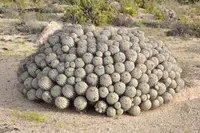
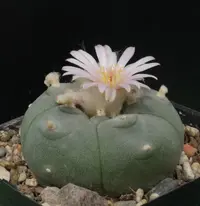
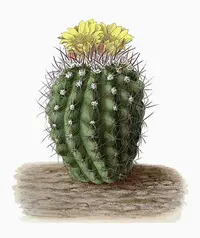
Copiapoa malletiana is a small globular cactus from the coastal deserts of northern Chile. It often grows in clusters, forming tight colonies over time. Plants have dark green to gray-green bodies with distinct ribs and short spines, sometimes covered with a light waxy coating that helps reduce sun and moisture stress. In season, it produces pale yellow flowers from the crown. This species prefers bright light, excellent drainage, and very cautious watering, which reflects its arid habitat. For many growers, the main challenge is avoiding overwatering, so anyone learning how to care for Copiapoa malletiana should focus on dry, airy soil and slow, patient growth.

Care Difficulty
Moderate Care

Light Preference
Full Sun

Water Requirements
Low Water

Temperature Preference
Tropical / Frost Sensitive

Hardiness Zone
10–11

Soil Texture
Sandy, Rocky, Loamy

Soil pH
Slightly acidic (6.5–7.0), Neutral (7.0)

Soil Drainage
Well-drained

Fertilization
Minimal (feed rarely)
Scan your plant to receive care tips personalized for your specific plant
Available on iOS and Android
This desert cactus needs bright, intense light to stay compact and healthy.
Watering should mimic infrequent desert rainfall while protecting the roots from standing moisture.
This species prefers warm, arid conditions and is sensitive to prolonged cold and frost.
This desert cactus thrives in very dry air and rarely suffers from low household humidity.
Copiapoa malletiana needs a very fast-draining, mineral-rich mix that dries quickly after watering.
This small cactus is very suitable for container growing due to its compact, slow-growing habit.
This desert cactus needs very light feeding, as Copiapoa malletiana is adapted to nutrient-poor soils.
Pruning needs are minimal and mainly focused on hygiene and safety for this slow-growing cactus.
This cactus prefers to stay slightly root-bound and should be repotted infrequently to avoid stress.
Propagation is usually done from seed, as offsets are limited or absent on many plants.
Winter care focuses on keeping the plant cold but dry to mimic its native desert dormancy.

Plant Health Check
Not sure what's wrong with your plant? Check your plant's health inside the app.
This cactus is naturally restricted to the coastal Atacama Desert of northern Chile, where it relies heavily on frequent sea fogs, called camanchaca, as a major moisture source despite almost zero annual rainfall.
It commonly develops into low, dense clumps of many stems rather than a single column, a growth form that helps shade its own roots and reduce water loss in its extremely arid habitat.
The species typically has dark brown to almost black spines that not only protect it from herbivores but also slightly shade the body surface, lowering sun stress in its highly exposed environment.

Copiapoa malletiana is considered a narrow endemic, occurring only in a relatively small stretch of Chile’s coastal desert, which makes wild populations especially vulnerable to habitat disturbance and illegal collection.
This species grows very slowly, often adding only a few millimeters in height each year. Expect many years before noticeable size increase. Patience is essential when growing Copiapoa malletiana, especially from seed or small offsets.
Keep your plants happy and healthy with plant identification, disease detection, and easy care guidance.