Aylostera fiebrigii Care

Aylostera fiebrigii

About Aylostera fiebrigii

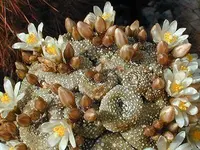
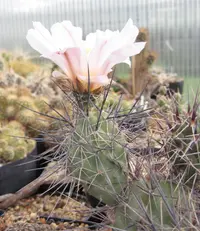
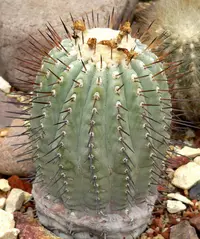
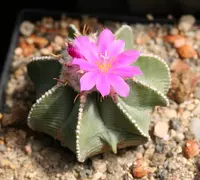
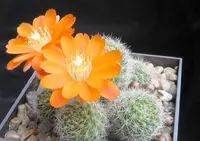
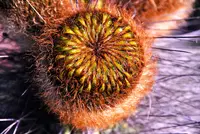
Aylostera fiebrigii is a small clustering cactus from high-altitude regions of Bolivia and northern Argentina. It forms low, rounded stems covered in short, neat spines. In good light it produces striking funnel-shaped flowers, often in bright orange or red, creating a strong contrast with the green body. Plants stay compact, which makes them suitable for windowsills and small indoor collections. This species is considered relatively easy for beginners who want to care for Aylostera fiebrigii. It prefers bright light, low to moderate moisture, and a very free-draining mineral-rich soil to avoid root problems.

Main Plant Requirements

Care Difficulty

Easy Care

Light Preference

Full Sun

Water Requirements

Low Water

Temperature Preference

Tropical / Frost Sensitive

Hardiness Zone

10–11

Soil Texture

Sandy, Loamy, Rocky

Soil pH

Acidic (5.5–6.5), Slightly acidic (6.5–7.0)

Soil Drainage

Well-drained

Fertilization

Minimal (feed rarely)

Get Personalized Care Plan

Scan your plant to receive care tips personalized for your specific plant

Available on iOS and Android

How to Care for the Aylostera fiebrigii

This small cactus prefers bright, direct sun but benefits from some protection at the hottest times of day.

  • Provide 4–6 hours of direct morning sun plus bright indirect light for the rest of the day to support compact growth and flowering in Aylostera fiebrigii.
  • Allow light, shifting afternoon shade or filtered sun in very hot summers to prevent scorching, wrinkled stems, or pale, bleached skin.
  • If light in winter falls below roughly 3–4 sun hours, move the plant to the brightest available spot to avoid weak, elongated growth.

Watering should be infrequent and guided by soil dryness to protect this cactus from rot.

  • In active growth, water only when the top 3–5 cm of soil are completely dry and the pot feels noticeably lighter when lifted.
  • Ensure sharply draining, gritty soil; standing water, a sour smell, or blackened base tissue indicate overwatering, while deep wrinkling signals prolonged drought.
  • In winter or cool periods below about 50°F (10°C), cut watering to very small, occasional sips every few weeks, letting the mix dry fully between.

This species prefers warm days with cooler, dry nights and does not tolerate hard frost.

  • Aim for 65–80°F (18–27°C) during the growing season to support steady growth and flowering without stress.
  • Protect from frost; short dips to 40°F (4°C) are usually survivable if soil is dry, but damage often occurs below 35°F (2°C).
  • In hot spells above 90°F (32°C), increase airflow and provide light afternoon shade to limit heat stress and sunburn, especially in small containers.

This cactus prefers dry air and rarely suffers from low household humidity.

  • Aim for 30–40% humidity, similar to a dry indoor room or heated home conditions.
  • It tolerates drier air well; problems usually arise only if kept constantly above 60% humidity.
  • Watch for corky stem patches or persistent softness as signs of excess humidity and improve air movement around Aylostera fiebrigii.

This species needs a very fast-draining, mineral-rich cactus substrate to prevent root rot.

  • Use a gritty mix such as 40% cactus potting mix, 40% pumice or perlite, and 20% coarse sand or fine gravel.
  • Keep structure open and airy; visible mineral particles help water drain quickly and reduce compaction around roots.
  • Target slightly acidic to neutral pH around 6.0–7.0, avoiding heavy lime additions unless tap water is very soft.
  • Avoid peat-heavy, loamy, or clay-based substrates, which hold water too long and increase the risk of fungal problems for Aylostera fiebrigii.

This small cactus is very suitable for container growing.

  • Choose a wide, shallow pot to match its clustering growth and prevent the root zone staying wet at depth.
  • Use unglazed terracotta if extra evaporation is needed in cool or humid climates to reduce moisture retention.
  • Place the pot in a stable, low-traffic spot, since the plant’s offsetting clumps can make lightweight containers easier to tip.

This compact cactus benefits from light feeding but performs best in lean, fast-draining soil.

  • Use a low-strength, balanced cactus fertilizer (for example 10-10-10) diluted to 25–50% of the label rate.
  • Feed Aylostera fiebrigii once every 4–6 weeks during spring and summer only.
  • Do not apply fertilizer in fall and winter when growth is minimal or dormant.
  • Avoid organic compost or rich slow-release products that hold excess moisture around the roots.

This species needs little structural pruning, but targeted cleanup maintains health and appearance.

  • Carry out any pruning in late spring or early summer, after the main flowering period.
  • Remove dead, shriveled, or fungus-damaged stems with clean, sharp scissors or small snips.
  • Thin out crowded offsets only when necessary to improve airflow and reduce rot risk.
  • Trim spent flowers by gently twisting them off to keep the plant tidy without altering its natural form.

This cactus prefers to stay slightly root-bound, so repotting is infrequent and should be done carefully.

  • Check for roots circling the pot, slow growth, or soil that dries almost immediately as signs it needs more space.
  • Plan to repot every 3–4 years in late winter or early spring, just before new growth starts.
  • Use a shallow pot with fresh, gritty cactus mix, moving up only 2–3 cm in diameter to avoid excess wet soil.
  • Handle the root ball gently, keep roots mostly intact, and water lightly 3–5 days after repotting to limit stress.

This cactus is commonly propagated by separating offsets, with seed used mainly by collectors.

  • Detach offsets in late spring or early summer once they are firm and at least 1.5–2 cm across.
  • Allow cut surfaces to dry and callus for 2–5 days in a shaded, airy spot before planting.
  • Place offsets on slightly moist, gritty cactus mix, keeping warmth (70–80°F) and bright, indirect light for rooting.
  • Sow seeds on the surface of sterile, fine mix, keep evenly barely moist, and provide bright light and 70–75°F for germination.

This cactus requires a cool, very dry winter rest and is not suited to freezing outdoor conditions.

  • Keep plants above 40°F; indoor ranges of 45–55°F are ideal for flower bud formation.
  • Move containers indoors before frost and place in the brightest possible window or under grow lights.
  • Reduce watering sharply in winter, giving only enough to prevent severe shriveling.
  • Ensure soil and pot stay dry between sips to prevent root and stem rot in cool conditions.

Care Tips

Encourage clustering

Rotate the pot a quarter turn every 2–3 weeks during active growth so all sides receive similar light, which promotes even, compact offsets instead of a lopsided clump.

Controlled winter rest

From late fall to late winter, keep the plant cooler and almost dry to support flower bud formation, but briefly mist the gravel surface around the pot if the body shows slight wrinkling rather than adding a full watering.

Top-dressing benefits

Add a 0.5–1 cm layer of inert grit (pumice, coarse sand, or small gravel) on the soil surface to keep the stem base dry, reduce algae and fungus gnat issues, and stabilize the small plant body.

Safe offset removal

When offsets are large enough to handle, gently twist them off with a sterile tool, let the wounds callus in a dry, shaded place for 5–7 days, then pot into barely moist, fast-draining mix to expand your collection while reducing crowding.

Light acclimation steps

When moving the plant outdoors for summer, increase sun exposure gradually over 10–14 days using shade cloth or a bright porch to prevent epidermis scorch, which is essential for healthy, long-term Aylostera fiebrigii care.

Common Pests and Diseases

Spider mites

This pest thrives on dry, sunny indoor and greenhouse conditions and often settles into the dense spines and ribs. Symptoms include fine webbing, dull or roughened epidermis, and tiny pale speckling on the green skin.

Solution

Rinse the stems thoroughly with a firm stream of lukewarm water, then repeat after a few days to disrupt remaining mites. If infestation persists, use a ready‑to‑use insecticidal soap or horticultural oil, ensuring full coverage of the areoles and spine bases, and increase ambient humidity slightly while keeping good air movement.

Mealybugs

These insects hide in areoles and between clustering heads, where they form white, cottony masses and suck plant sap. Symptoms include yellowing, weak growth, and sticky honeydew on the plant or pot surface.

Solution

Isolate the plant, then remove visible mealybugs with cotton swabs dipped in 70% isopropyl alcohol, taking care to work into the crevices between offsets. Follow up with 2–3 treatments of insecticidal soap or a light horticultural oil at 7–10 day intervals and inspect new offsets regularly as part of Aylostera fiebrigii care instructions.

Root mealybugs

These insects live on the roots and in the potting mix, where they form white, cottony patches and cause slow decline. Symptoms include poor growth despite correct light, wrinkling despite careful watering, and white fluff on roots or drainage holes when the plant is unpotted.

Solution

Unpot the cactus, gently wash off all soil, and trim badly affected roots. Soak the root zone briefly in a dilute solution of systemic insecticide labeled for root mealybugs or drench fresh, fast‑draining soil with the product, then repot in a clean pot and monitor for renewed vigor.

Fungal stem rot

This disease often follows overwatering or cool, damp conditions and starts at the stem base or in damaged tissue. Symptoms include soft, dark, or sunken areas, a foul odor, and rapid collapse of affected heads.

Solution

Remove the plant from the pot, cut away all soft or discolored tissue back to firm, healthy flesh, and dust cut surfaces with a dry fungicidal powder or powdered sulfur. Allow the plant or cleaned offsets to dry and callus for several days, then replant in sterile, highly mineral, fast‑draining cactus mix and reduce watering until new roots form.

Corking and sunscald

This physiological issue appears on older stems or after sudden exposure to intense sun, which Aylostera can be sensitive to. Symptoms include brown, corky patches at the base from age or pale, bleached, or rusty areas on the sun‑exposed side from sudden high light and heat.

Solution

For age‑related corking, no treatment is needed beyond maintaining steady, moderate water and avoiding further stress. To prevent and manage sunscald, move plants gradually into stronger light over 1–2 weeks, provide light shade during the hottest midday hours, and remove only severely damaged heads if they begin to rot.

Interesting Facts

High-altitude specialist

This cactus is native to rocky slopes in the Andes of northern Argentina, where it grows at relatively high elevations in intense sun and strong temperature shifts between day and night.

Cluster-forming growth

It naturally forms dense clusters of small, nearly spherical stems, an adaptation that reduces surface exposure and helps conserve moisture in its arid mountain habitat.

Showy orange blooms

It produces comparatively large, bright orange funnel-shaped flowers that often circle the stem near the base, creating a striking contrast with the small body of the plant.

FAQs about Aylostera fiebrigii

This cactus usually blooms in late spring to early summer, producing many bright orange to red funnel-shaped flowers around the stem. Blooms form a showy ring and can cover much of the plant in good conditions.

Grow Healthy Plants with Botan Care

Keep your plants happy and healthy with plant identification, disease detection, and easy care guidance.

Botan plant care app — identify plants on mobile

Explore More Plants