


Rain protection
Place the pot under a rain shield or overhang outdoors so the woolly epidermis stays dry, which reduces rot risk and helps maintain the natural grey bloom on the skin.

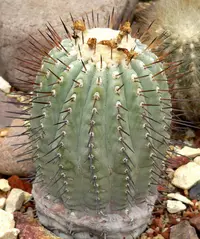
Copiapoa cinerea is a slow-growing desert cactus native to the extremely dry coastal areas of northern Chile. It typically forms round to columnar stems with a distinctive silvery-gray epidermis and strong dark spines. Over time, plants can cluster into attractive mounds, but they remain compact and relatively small. This species is adapted to intense sun, high drainage, and minimal rainfall, which affects how to care for Copiapoa cinerea in cultivation. It generally prefers bright light, low humidity, sparse watering, and a very gritty, fast-draining soil mix, which makes it rewarding but not ideal for very inexperienced growers.

Care Difficulty
Hard Care

Light Preference
Full Sun

Water Requirements
Low Water

Temperature Preference
Tropical / Frost Sensitive

Hardiness Zone
10–11

Soil Texture
Sandy, Rocky, Loamy

Soil pH
Slightly acidic (6.5–7.0), Neutral (7.0)

Soil Drainage
Well-drained

Fertilization
Minimal (feed rarely)
Scan your plant to receive care tips personalized for your specific plant
Available on iOS and Android
This desert cactus needs strong light but benefits from some protection from harsh midday sun.
Watering should mimic very arid conditions with long dry periods between soakings.
This cactus prefers warm, dry conditions and is intolerant of sustained cold and frost.
This cactus prefers dry air and rarely needs extra humidity beyond typical indoor or outdoor desert-like conditions.
This species needs a very fast-draining, mineral-heavy substrate that mimics rocky desert soil.
This cactus is well suited to container culture due to its slow growth and compact root system.
This desert cactus needs very modest feeding in containers, and none in lean, mineral outdoor soils.
This species needs almost no structural pruning, only occasional cleaning for health and appearance.
Container-grown plants grow slowly and need infrequent repotting into a very free-draining cactus mix.
This cactus is typically propagated by seed, with offsets used when available to maintain desirable forms.
This species prefers cool, very dry winter rest and does not tolerate prolonged freezing.

Plant Health Check
Not sure what's wrong with your plant? Check your plant's health inside the app.
This cactus is native to the hyper-arid Chilean Atacama coastal belt, where it relies heavily on the moisture of the camanchaca fog rather than rainfall for survival.
The pale grey to white epidermis comes from a thick wax layer that reflects intense sunlight and reduces water loss, an adaptation to extreme solar radiation in its native habitat.
It grows very slowly, forming compact clusters of globular stems over many years, which helps stabilize it on rocky slopes and share limited moisture among connected heads.

Some wild populations include individuals estimated by growth ring studies and long-term field observation to be well over 100 years old, reflecting how extremely slow-growing this species is in its native Atacama Desert habitat.
This species grows very slowly, often only a few millimeters per year in cultivation. It may take many years to form noticeable clumps. Patience is essential when growing Copiapoa cinerea from seed or small offsets.
Keep your plants happy and healthy with plant identification, disease detection, and easy care guidance.


Matucana madisoniorum
Matucana madisoniorum
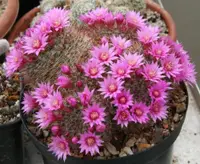
Mammillaria zeilmanniana
Mammillaria zeilmanniana
 POPULAR
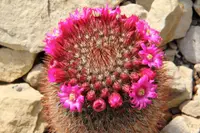
Spiny pincushion cactus
Mammillaria spinosissima
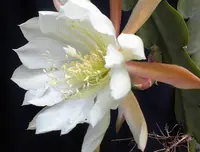
crenate orchid cactus
Disocactus crenatus
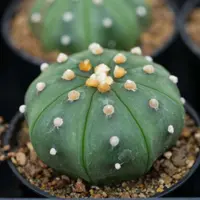
Star Cactus
Astrophytum asterias

Acanthocalycium spiniflorum
Acanthocalycium spiniflorum
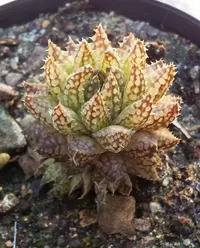
Bonnievale Haworthia
Haworthia reticulata
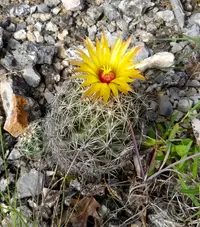
Pineapple Cactus
Coryphantha sulcata