carpet foxtail cactus Care (Escobaria sneedii)

Also known as: Sneed's pincushion cactus, Guadalupe Mountain Cactus
carpet foxtail cactus

About carpet foxtail cactus

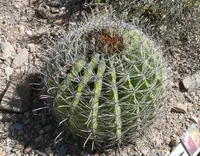
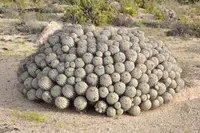
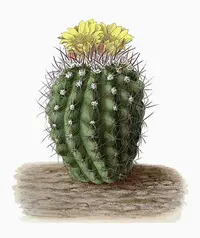
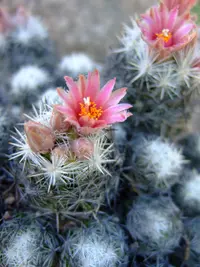
The carpet foxtail cactus, Escobaria sneedii, is a small clustering cactus that forms low, dense mats covered in short white spines. It stays compact and slowly spreads, creating a cushion-like mound rather than tall columns.

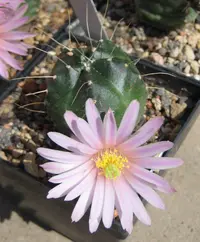
This species is native to rocky, arid areas of the southwestern United States and northern Mexico, where it experiences strong sun, sharp drainage, and cool nights. Its small spring flowers add seasonal interest but do not change its overall tidy appearance.

Escobaria sneedii is considered moderately easy for growers who can provide bright light, minimal watering, and very fast-draining gritty soil. Understanding how to care for carpet foxtail cactus mainly involves preventing excess moisture and root rot.

Main Plant Requirements

Care Difficulty

Moderate Care

Light Preference

Full Sun

Water Requirements

Low Water

Temperature Preference

Cold Hardy

Hardiness Zone

5–9

Soil Texture

Sandy, Rocky, Loamy

Soil pH

Slightly acidic (6.5–7.0), Neutral (7.0)

Soil Drainage

Well-drained

Fertilization

Minimal (feed rarely)

Get Personalized Care Plan

Scan your plant to receive care tips personalized for your specific plant

Available on iOS and Android

How to Care for the carpet foxtail cactus

This small cactus prefers strong light that mimics high-desert sun exposure.

  • Provide 6–8 hours of direct sun daily, ideally with morning sun and light afternoon shade, especially in hotter regions.
  • Allow some partial shade in midsummer; carpet foxtail cactus tolerates bright, filtered light but elongates and loses density if light is too low.
  • Watch for sunburn as pale, yellow, or brown patches on the south-facing side, and move gradually into stronger sun in spring to harden plants off.

This species needs sparse, carefully timed watering to prevent root rot.

  • During active growth in spring–early fall, water only when the top 3–5 cm of soil are completely dry, then soak and let excess drain away fully.
  • In winter or cool, cloudy periods, reduce watering sharply to very occasional light drinks, keeping the root zone mostly dry to protect Escobaria sneedii from rot.
  • Suspect overwatering if stems become soft, yellow, or split; underwatering shows as slow shriveling that recovers after a thorough, well-drained watering.

This cactus is adapted to temperature extremes but still benefits from a defined safe range.

  • Aim for 65–85°F (18–29°C) during active growth, with plenty of air movement and strong light to keep stems compact.
  • Mature plants tolerate short dips to about 10–15°F (-12 to -9°C) if soil is perfectly dry, but young or potted plants are safer above 25°F (-4°C).
  • In hot spells above 95°F (35°C), provide light afternoon shade and avoid watering with warm soil to reduce stress and root damage risk.

Humidity is rarely a concern, as this species is adapted to very dry air.

  • Aim for 20–40% relative humidity, similar to a dry indoor room or arid outdoor climate.
  • The plant tolerates prolonged low humidity; problems arise more from excess moisture than from dry air.
  • If air is very humid, increase air movement and avoid crowding plants to prevent fungal spots or soft stems.

This cactus needs a very fast-draining, mineral-rich mix to prevent root rot.

  • Use a gritty, sandy mix: about 60–80% mineral material such as pumice, coarse sand, and small gravel, with 20–40% cactus potting mix.
  • Keep structure open and airy; avoid fine peat that compacts and holds water around the roots.
  • Aim for slightly acidic to neutral pH, roughly 6.0–7.2, which suits Escobaria sneedii in cultivation.
  • Avoid dense, moisture-retentive garden soil; if needed, lighten it with extra pumice and coarse sand to improve drainage and aeration.

This species is well suited to container growing, especially in regions with wet or cold winters.

  • Choose a shallow but wide pot so the clustering stems have horizontal space while the shallow roots do not sit in deep, wet substrate.
  • Select unglazed terracotta if possible, as its porous walls let moisture escape faster after watering.
  • Lift or slightly tilt outdoor pots in rainy climates so excess water drains away quickly rather than pooling at the base.

This small cactus needs very light feeding, as carpet foxtail cactus evolved in nutrient-poor desert soils.

  • Use a low-dose, balanced cactus fertilizer (for example, 5-5-5) or diluted balanced liquid NPK at 1/4 strength.
  • Feed once in late spring and once in mid-summer only during active growth.
  • Avoid compost or rich organic fertilizers that hold moisture around the roots.
  • Do not feed in fall and winter, when the plant is dormant and more prone to fertilizer burn.

Escobaria sneedii needs minimal pruning, focused mainly on health and safety rather than shaping.

  • Best time for any work is late spring, during active growth and dry weather.
  • Remove only dead, rotting, or damaged stems with clean, sharp scissors or pruners.
  • Cut diseased tissue back to firm, unmarked stem to limit rot spread.
  • Avoid cosmetic shaping; heavy removal stresses the plant and can reduce flowering.

This cactus rarely needs frequent repotting and prefers a stable, undisturbed root system.

  • Check for roots circling the pot, slow growth, or soil that stays wet as signs repotting is due.
  • Plan to repot every 3–4 years in late spring, using a gritty, fast-draining cactus mix.
  • Handle the plant with folded paper or tongs to avoid damage, and keep the root ball as intact as possible.
  • After repotting, keep the soil barely dry for 7–10 days before a light watering to reduce transplant shock.

Propagation is usually done from offsets or seed, but both methods require patience and careful handling.

  • Detach small offsets in late spring, letting cut surfaces dry and callus for several days before planting.
  • Set offsets in a sterile, gritty mix and keep barely moist in bright, indirect light until roots form.
  • For seeds, use shallow trays, a well-drained mineral mix, and warm conditions around 70–80°F.
  • Provide gentle airflow and avoid overwatering young plants to limit damping-off, a common seedling disease.

This species is relatively cold hardy when kept dry, but wet winter conditions increase rot risk.

  • In the ground, ensure excellent drainage and use a light gravel mulch to keep the crown dry.
  • In very wet or snowy climates, add a simple rain shield to keep winter moisture off the plant.
  • For container plants, move under cover or indoors to a bright, cool, dry spot before prolonged hard freezes.

Care Tips

Rock mulch ring

Place a narrow ring of coarse gravel or small rocks around the base to keep the stem dry, reduce soil splash during rain, and protect the dense spines from rot-inducing moisture and debris.

Cluster division timing

If offsets crowd the pot or bed, divide and replant only during a warm, dry spell in late spring, and let any broken surfaces air-dry for several days before replanting to prevent infection.

Cold wet protection

In regions with cold, wet winters, set up a simple clear rain shelter or cold frame over outdoor plants so the roots stay almost dry while still receiving full light and natural cold needed for dormancy.

Spine-safe handling

Use folded newspaper bands or soft kitchen tongs to hold the cactus when repotting or dividing, which prevents spine damage and reduces the risk of crushing the tight cushions of stems.

Summer ventilation boost

During hot spells, increase airflow around the plant with an open-sided frame or by spacing pots farther apart to lower fungal risk, especially when caring for carpet foxtail cactus in humid climates.

Common Pests and Diseases

Mealybugs

This pest feeds on the stems and between the tight tubercles, sucking sap and leaving white, cottony clusters that can weaken the plant over time. Symptoms include stunted growth and yellowing or shriveling segments in the cushion-like clumps.

Solution

Remove visible insects with a cotton swab dipped in 70% isopropyl alcohol, then inspect regularly in the tight crevices of the plant. Improve airflow, isolate the affected plant, and if the infestation persists, use a systemic insecticide labeled for cacti, following directions carefully.

Spider mites

These insects thrive on small, compact cacti grown in hot, dry indoor air, causing fine speckling, roughened skin, and sometimes fine webbing on the stems. Symptoms include a dull, faded appearance on the green tissue and slow decline in vigor.

Solution

Rinse the plant gently with a firm stream of water to dislodge mites, avoiding prolonged wetting of the crown, then allow it to dry quickly in bright light. Increase humidity slightly around the plant without wetting the soil and, if needed, apply a miticide or insecticidal soap labeled for spider mites, taking care not to spray in intense sun.

Corky stem spots

This disease appears as localized tan to brown, corky lesions on older segments where water has sat or minor injuries occurred. Symptoms include hardened, scar-like patches that may slowly expand but usually stay superficial if conditions are dry and bright.

Solution

Keep the plant in very fast-draining mineral soil and avoid overhead watering, especially in cool weather. Remove any severely affected offsets with a sterile knife, dust cuts with a dry sulfur-based fungicidal powder, and maintain strong light and good airflow to limit further spread.

Crown fungal rot

This disease develops at the growth point when water remains trapped between the dense stems, leading to soft, dark, sunken tissue and rapid collapse of affected heads. Symptoms include a sour odor, mushy tissue at the center of the cluster, and easy detachment of rotting segments.

Solution

Immediately cut away all soft, discolored tissue with a sterile blade, leaving only firm, healthy stems, and dust all cuts with sulfur or a copper-based fungicide. Replant in fresh, very gritty, dry mix, keep the plant completely dry for 7–10 days, then resume very light watering only when the soil is fully dry to support healthy Escobaria sneedii plant care.

Interesting Facts

Borderland micro-endemic

This cactus is naturally restricted to a very small area along the Texas–New Mexico–Chihuahua border, where it grows on limestone-derived gravel and rocky outcrops in Chihuahuan Desert grassland.

Camouflaged stem clusters

Mature plants form dense mounds of many small stems almost completely covered by short white spines, which help them blend into pale gravel and reflect intense desert sunlight.

Spring bee resource

Its small pink to whitish spring flowers provide an early nectar and pollen source for native solitary bees in its desert habitat, even though the blooms are relatively modest in size.

Botan icon

Did you know?

Some natural populations of this cactus have experienced such strong grazing and collection pressure that botanists have had to monitor them plant by plant to track survival, making it one of the more closely watched small cacti in the Chihuahuan Desert.

FAQs about carpet foxtail cactus

Lack of flowers usually comes from insufficient light, too much nitrogen fertilizer, or no cool, dry winter rest. Provide strong sun, avoid rich soil, and keep it cooler and fairly dry in winter to encourage buds.

Grow Healthy Plants with Botan Care

Keep your plants happy and healthy with plant identification, disease detection, and easy care guidance.

Botan plant care app — identify plants on mobile

Explore More Plants