Support tall stems
Install a sturdy, sunproof stake or wire frame on the windward side once stems reach 30–40 cm, and loosely tie them with soft ties to prevent snapping in strong winds or under their own weight.

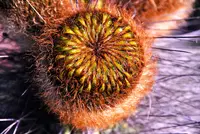
Eulychnia acida is a tall, columnar cactus native to the arid coastal regions of northern Chile. In habitat it forms dense, branched thickets that can resemble a spiny, tree-like hedge.
Stems are ribbed, blue‑green to gray‑green, and heavily armed with strong spines, which help the plant conserve water and protect it from grazing animals. It produces tubular white to pale pink flowers followed by edible, acidic fruits.
This species is adapted to strong sun, high temperatures, and very limited rainfall, which makes it drought tolerant but vulnerable to overwatering in cultivation. For anyone learning how to care for Eulychnia acida, its need for sharp drainage and low humidity is the main consideration.

Care Difficulty
Moderate Care

Light Preference
Full Sun

Water Requirements
Low Water

Temperature Preference
Warm Climate

Hardiness Zone
9–11

Soil Texture
Sandy, Rocky, Loamy

Soil pH
Slightly acidic (6.5–7.0), Neutral (7.0)

Soil Drainage
Well-drained

Fertilization
Minimal (feed rarely)
Scan your plant to receive care tips personalized for your specific plant
Available on iOS and Android
This columnar desert cactus thrives in strong sun but still benefits from gradual light acclimation.
This arid-climate cactus requires infrequent, deep watering and fast-drying soil.
This species prefers warm, dry conditions and is sensitive to prolonged cold and frost.
This desert cactus thrives in dry air and rarely needs humidity adjustment indoors.
This species requires a very fast-draining, mineral-rich substrate that mimics rocky desert soil.
This cactus is well suited to container culture when the pot supports its tall, heavy stems.
This cactus from arid Chile needs very modest feeding in cultivation, as Eulychnia acida is adapted to lean soils.
Pruning needs are minimal and focus mainly on safety and plant health for this tall, spiny cactus.
Container-grown plants need infrequent repotting, while landscape specimens are best transplanted only when young.
Propagation of this columnar cactus is possible by both stem cuttings and seeds, though growth is often slow.
This species prefers mild, dry winters and is only moderately frost tolerant, especially in containers.

Plant Health Check
Not sure what's wrong with your plant? Check your plant's health inside the app.
This species occurs naturally along the arid coastal belt of north‑central Chile, where it relies heavily on frequent ocean fogs for moisture rather than regular rainfall.
Its small round fruits, known locally as copao, are eaten fresh or processed into juices and jams and are valued for their distinctly acidic, refreshing taste.
The dense, spiny stems create shaded, cooler microhabitats in otherwise exposed scrub, providing refuge for invertebrates, birds, and small vertebrates in its native desert ecosystems.

In parts of Chile’s Coquimbo Region, natural stands and small plantations of this cactus are managed as a local non-timber forest resource, with regulated harvesting of its fruits forming part of traditional agroforestry systems in one of South America’s driest coastal landscapes.
This cactus performs best outdoors in arid, frost-free climates with strong light, ample airflow, and very fast-draining soil. Indoors it often becomes weak and etiolated, so long-term success inside is limited to very bright, dry conditions.
Keep your plants happy and healthy with plant identification, disease detection, and easy care guidance.