Turbinicarpus pseudopectinatus Care

Turbinicarpus pseudopectinatus

About Turbinicarpus pseudopectinatus

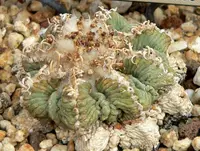
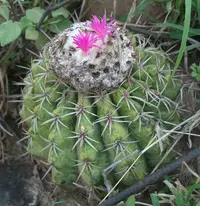
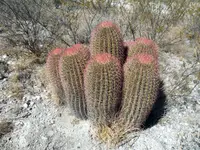
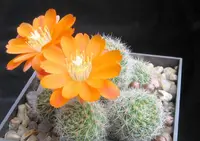
Turbinicarpus pseudopectinatus is a miniature cactus species known for its globular body and fine, comb-like spines that hug the stem. It stays very small, which makes it suitable for windowsills and small indoor collections.

This cactus is native to arid, rocky areas of northeastern Mexico, where it grows in limestone crevices with intense sun and very fast-draining soils. It is slow-growing and somewhat sensitive to overwatering, so it suits patient growers who can provide careful, dry conditions.

In cultivation, it prefers bright light, a gritty mineral substrate, and thorough drying between waterings. Understanding how to care for Turbinicarpus pseudopectinatus mainly means avoiding excess moisture and protecting it from prolonged cold and damp.

Main Plant Requirements

Care Difficulty

Hard Care

Light Preference

Full Sun

Water Requirements

Low Water

Temperature Preference

Tropical / Frost Sensitive

Hardiness Zone

10–11

Soil Texture

Sandy, Rocky, Loamy

Soil pH

Slightly acidic (6.5–7.0), Neutral (7.0)

Soil Drainage

Well-drained

Fertilization

Minimal (feed rarely)

Get Personalized Care Plan

Scan your plant to receive care tips personalized for your specific plant

Available on iOS and Android

How to Care for the Turbinicarpus pseudopectinatus

This small cactus needs bright, mostly indirect light to stay compact and flower well.

  • Provide 4–6 hours of morning sun with bright, filtered light the rest of the day, especially in hotter climates.
  • Allow light, airy shade or filtered sun at midday; strong afternoon sun behind glass can cause scorching and yellowing of the stem.
  • Outdoors, give Turbinicarpus pseudopectinatus a bright, exposed spot in spring and fall, but increase shade in peak summer and reduce shade in low winter sun.

Watering should stay sparse and precise to prevent root rot in this drought-adapted cactus.

  • In active growth, water only when the top 3–5 cm of soil are completely dry and the pot feels very light.
  • Use very fast-draining, gritty soil and let excess water drain away fully; never leave the container sitting in a saucer of water.
  • In winter, give just a light drink every 4–6 weeks or when the stem begins to wrinkle slightly, avoiding any constant moisture around the roots.

Stable warmth with a cool, dry winter rest period suits this species best.

  • Aim for growing temperatures around 70–85°F (21–29°C) during the day and 60–70°F (16–21°C) at night for steady growth.
  • Protect the plant from frost; it may tolerate short dips to 35–40°F (2–4°C) if completely dry, but growth stops below about 50°F (10°C).
  • In hot spells above 95°F (35°C), increase shade and airflow to prevent tissue stress and root damage, and avoid watering during peak heat.

This small cactus prefers very dry air and rarely suffers from low household humidity.

  • Target 20–40% relative humidity, similar to an arid indoor environment.
  • Dry, heated indoor air is usually acceptable and does not require humidifiers for Turbinicarpus pseudopectinatus.
  • Watch for persistent softness or pale, swollen tissue as signs of excess humidity and improve air movement or reduce nearby moisture sources.

This cactus needs a very fast-draining, mineral, and airy substrate to keep roots healthy.

  • Use a gritty mix such as 60–70% mineral components (pumice, coarse sand, crushed lava, or fine gravel) with 30–40% cactus potting mix.
  • Aim for slightly acidic to neutral pH, around 6.0–7.5, avoiding strongly alkaline substrates that can lock up nutrients.
  • Ensure the mix feels loose and crumbly; large mineral particles increase aeration and let water exit quickly after watering.
  • Avoid dense peat-only mixes, clay-rich garden soil, or anything that stays wet for more than 1 day around Turbinicarpus pseudopectinatus roots.

This species is very suitable for long-term container growing.

  • Choose a shallow, wide pot so the fine taproot and small body sit high above any residual moisture zone.
  • Use unglazed terracotta if possible, as its porous walls accelerate evaporation and reduce the risk of root rot.
  • Top-dress the soil surface with fine gravel to stabilize the plant body and prevent the crown from sitting in splashing water.

This small cactus needs only light feeding to stay healthy in cultivation.

  • Use a diluted low-nitrogen balanced cactus fertilizer (for example 5-10-10) at 1/4–1/2 strength during active growth in spring and early summer.
  • Apply liquid feed no more than every 4–6 weeks to potted Turbinicarpus pseudopectinatus in very well-drained soil.
  • Avoid organic composts or rich slow-release fertilizers that hold moisture and can cause root rot.
  • Stop all feeding in late summer and through winter dormancy to keep growth compact and tissues firm.

Pruning needs for this cactus are minimal and mostly hygienic.

  • Carry out any pruning at the start or end of the warm growing season when the plant is not stressed by heat waves or cold snaps.
  • Use clean, sharp scissors or a sterile knife to remove dead, diseased, or rotting tissue from the stem or base.
  • Trim only affected areas and avoid cutting healthy green tissue, since this species does not branch more with pruning.
  • After any cut, keep the plant dry for several days so the wound calluses and the risk of infection decreases.

This species prefers a stable pot and only occasional repotting.

  • Check for tight, circling roots at drainage holes, slowed growth despite good care, or soil that stays wet or breaks down as signs it needs repotting.
  • Repot every 3–5 years in late spring, using a clay pot and a very gritty, fast-draining cactus mix.
  • Lift the plant gently, tease roots only lightly, and remove old, compacted soil without breaking fine roots more than necessary.
  • After repotting Turbinicarpus pseudopectinatus, keep it dry and shaded for 7–10 days, then reintroduce water gradually to reduce root stress.

Propagation is usually done from seed and is considered slow and delicate.

  • Sow fresh seeds in late spring or early summer in a sterile, very fine, gritty cactus mix.
  • Press seeds onto the surface, barely cover, then keep at 70–77°F with bright, indirect light.
  • Maintain slightly moist but never wet conditions using a humidity dome or covered tray with periodic ventilation.
  • Once seedlings are firm and spined, reduce humidity gradually and transplant into individual pots with similar gritty substrate.

Winter care focuses on keeping the plant cold but dry to prevent rot.

  • Turbinicarpus pseudopectinatus tolerates short drops near 25–28°F if completely dry, but sustained frost is risky.
  • For container plants, move indoors or into a cold greenhouse with plenty of light before hard freezes.
  • Stop watering in late fall so the soil stays dry all winter and the roots remain healthy.
  • Avoid insulating wraps that trap moisture around the pot; ensure steady airflow and cool, dry conditions.

Care Tips

Deep pot selection

Use a narrow but relatively deep pot with generous drainage holes to accommodate the long taproot and repot only when the root visibly fills the container, as frequent disturbance can stunt growth.

Top-dressing for stability

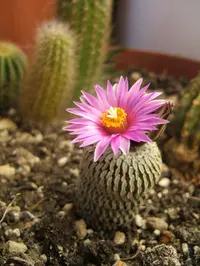
Apply a 0.5–1 in layer of coarse mineral grit (pumice, lava rock, or aquarium gravel) on the soil surface to keep the base dry, reduce algae and fungus growth, and physically stabilize the plant body.

Summer rain protection

In rainy periods, place the pot under a transparent cover or eave that blocks direct rain but still allows strong light, since water pooling around the crown is a common cause of rot in this species.

Root health checks

Every 2–3 years, unpot the plant at the start of the warm season to inspect the taproot and remove any black, mushy, or hollow tissue with a sterile blade before replanting in fresh, dry mineral mix.

Controlled seasonal rest

Provide a distinct cool, very dry rest period in winter by keeping the plant bright but almost unwatered, which helps synchronize flowering and improves long-term vigor when growing Turbinicarpus pseudopectinatus.

Common Pests and Diseases

Root mealybugs

This pest lives hidden in the root zone and at the base of the stem, sucking sap and causing slow decline, shriveling, or sudden collapse despite seemingly dry, firm soil. Symptoms include white cottony masses around roots, in drainage holes, or at the neck of the cactus.

Solution

Unpot the plant, gently wash off all soil, and remove visible insects and cottony clusters with a soft brush or tweezers, then soak the root system in a systemic insecticide solution labeled for root mealybugs. Repot into fresh, very free-draining mineral substrate in a disinfected pot, keep slightly drier for 1–2 weeks, and isolate from other cacti to prevent spread.

Spider mites

These insects tend to appear in hot, very dry indoor air or in unventilated greenhouse conditions, leaving fine stippling, dull patches, and sometimes very fine webbing between tubercles or at the crown. Symptoms include gradual loss of the plant’s natural bluish or grayish bloom and a rough, sandblasted look to the skin.

Solution

Rinse the plant gently with a firm stream of water, avoiding damage to the small body and spines, then apply a miticide or horticultural soap approved for cacti, ensuring coverage between tubercles. Improve airflow, avoid stagnant heat, and maintain moderate humidity around 30–40% without wetting the substrate for long periods, which helps prevent reinfestation when caring for Turbinicarpus pseudopectinatus.

Corky stem lesions

This disease affects the small stem, producing localized corky, brown patches that start around old areoles or minor mechanical injuries and can slowly expand. Symptoms include hard, dry, bark-like spots rather than soft rot, often on older tissue or areas exposed to strong sun or repeated wetting.

Solution

Remove any loose, dead tissue with a sterile blade if present and allow the area to dry completely, then keep the plant in bright but slightly filtered light to reduce stress. Adjust watering so the substrate dries fast, avoid wetting the body repeatedly, and ensure high mineral content in the mix to promote firm, healthy growth that limits further corking.

Basal fungal rot

This disease starts at the plant base, often after prolonged cool, damp conditions, leading to softening, discoloration, and eventual collapse of the entire body from the bottom up. Symptoms include a brown or black, water-soaked area at the neck or root zone, sometimes with a foul smell.

Solution

At the first signs, unpot the plant and cut back all affected tissue with a sterile knife until only firm, healthy tissue remains, then dust the wound with a sulfur or copper-based fungicidal powder. Allow the cleaned plant to dry and callus for several days in a warm, shaded place before setting on or in a fresh, sterile, highly mineral substrate and resuming very light watering only after roots re-form.

Scale insects

These insects attach firmly to the small, ribbed body and tubercles, appearing as tiny brown, gray, or off-white bumps that are easy to mistake for part of the plant. This pest feeds on sap, causing yellowing spots, loss of vigor, and sticky honeydew that can support sooty mold growth on the spines and skin.

Solution

Remove visible scales manually with a cotton swab dipped in isopropyl alcohol, taking care not to damage the epidermis, then repeat every 7–10 days until no new insects appear. For heavier infestations, combine manual removal with a systemic insecticide labeled for cacti and improve light, airflow, and watering discipline so the plant can recover and resist further attacks.

Interesting Facts

Miniature limestone specialist

This cactus is naturally restricted to limestone slopes and rocky outcrops in the Mexican states of Nuevo León and San Luis Potosí, where it anchors in very shallow, mineral-rich pockets of grit and cracks.

Feather-like spine structure

Its distinctive pectinate spines are flattened and comb-like, lying closely against the stem and creating a pale, feathery pattern that helps shade the body from intense sun while minimizing water loss.

Showy oversized flowers

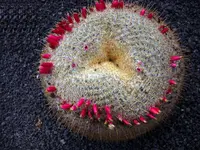
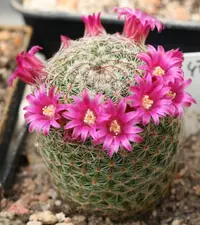
Despite its very small body, typically only a few cm in diameter, it produces relatively large funnel-shaped flowers in shades of pale pink to lilac with darker midstripes, often almost completely covering the stem during peak bloom.

Botan icon

Did you know?

This species is considered threatened in its native habitat because of its very limited distribution and historical over-collection by cactus enthusiasts, so many authorities recommend buying only nursery-propagated plants when looking into Turbinicarpus pseudopectinatus plant care.

FAQs about Turbinicarpus pseudopectinatus

This cactus grows very slowly, often only a few millimeters in diameter per year. Seedlings may take several years to look noticeably larger, and it can need a decade or more to appear mature-sized.

Grow Healthy Plants with Botan Care

Keep your plants happy and healthy with plant identification, disease detection, and easy care guidance.

Botan plant care app — identify plants on mobile

Explore More Plants