


Top-dressing grit
After potting, add a 0.5–1 cm layer of coarse mineral grit (pumice, fine gravel, or chicken grit) around the stem to keep the base dry, reduce rot risk, and discourage fungus gnats.

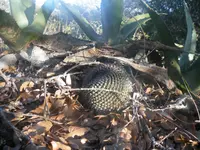
Mammillaria orcuttii is a small, clustering cactus known for its dense white spines and woolly areoles that give it a soft, rounded look from a distance. Mature plants often form tight mounds and can produce small, ring-like displays of pink to magenta flowers near the stem tops.
This species is native to arid regions of Mexico, where it grows on rocky slopes with excellent drainage and high light. Its drought tolerance makes it relatively easy to manage, provided excess moisture is avoided. Those learning how to care for Mammillaria orcuttii benefit from its slow growth, compact size, and preference for bright light, dry air, and gritty, fast-draining soil.

Care Difficulty
Moderate Care

Light Preference
Full Sun

Water Requirements
Low Water

Temperature Preference
Warm Climate

Hardiness Zone
9–11

Soil Texture
Sandy, Loamy, Rocky

Soil pH
Slightly acidic (6.5–7.0), Neutral (7.0)

Soil Drainage
Well-drained

Fertilization
Minimal (feed rarely)
Scan your plant to receive care tips personalized for your specific plant
Available on iOS and Android
This small cactus prefers bright, mostly direct sun but needs protection from harsh extremes.
This species requires infrequent, careful watering and fast drainage to prevent root rot.
This cactus prefers warm, dry conditions and tolerates moderate heat if kept on the dry side.
This cactus prefers dry air and usually does not need extra humidity control indoors.
Use a very fast-draining, mineral-rich mix to prevent root rot in Mammillaria orcuttii.
This species is well suited to container growing, including small pots and dish gardens.
This small cactus has modest nutrient needs, but light feeding supports healthy growth and flowering for Mammillaria orcuttii.
Pruning is minimal for Mammillaria orcuttii and focuses on cleanliness and maintaining a compact form.
Repotting is infrequent but helpful to maintain root health and fresh substrate for this compact cactus species.
Propagation of this species is commonly done from offsets and seeds, providing new Mammillaria orcuttii plants with similar traits.
Cool, dry winter conditions help this cactus rest and prepare for better flowering in the next season.

Plant Health Check
Not sure what's wrong with your plant? Check your plant's health inside the app.
This cactus occurs naturally on rocky slopes and cliffs in central Mexico, often at relatively high elevations where nights are cool but sunlight is intense, which helps explain its dense spination and compact growth form.
Mature plants often develop a conspicuous ring of wool and closely packed, small flowers around the upper part of the stem, an adaptation that protects floral tissue from strong sun and temperature swings while still exposing it to pollinators.
It produces both central hooked spines and numerous fine radial spines, creating a protective mesh that reduces herbivory and shades the stem surface, an important consideration for Mammillaria orcuttii care instructions in bright, arid habitats.
This species adapts well both indoors and outdoors if given bright light, good airflow, and fast-draining soil. In cold or very wet climates, containers and sheltered spots provide more control when caring for Mammillaria orcuttii.
Keep your plants happy and healthy with plant identification, disease detection, and easy care guidance.

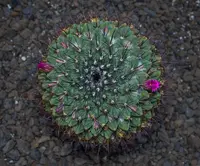
Mammillaria winterae
Mammillaria winterae
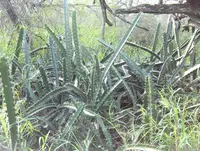
Triangle cactus
Acanthocereus tetragonus
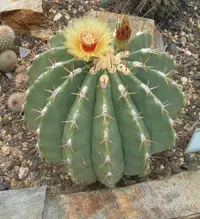
Ferocactus pottsii
Ferocactus pottsii
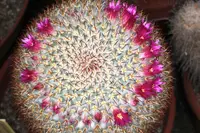
Mammillaria haageana
Mammillaria haageana
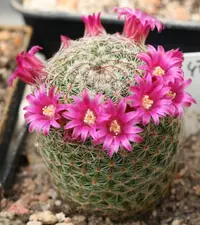
Thumb Cactus
Mammillaria matudae

Aylostera heliosa
Aylostera heliosa
Chain-link Cholla
Cylindropuntia cholla
 POPULAR
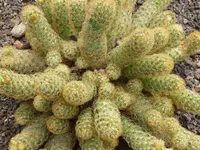
Ladyfinger Cactus
Mammillaria elongata