Early structural training
In the first 2–3 years, select 3–5 strong main branches and lightly remove competing shoots to build an open, vase-shaped crown that improves light penetration and fruit set.

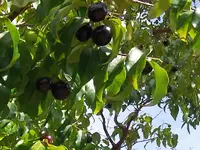
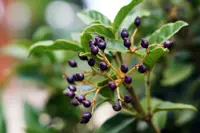
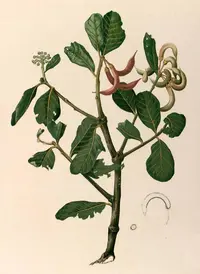
Rainforest plum, Eugenia candolleana, is a small tropical fruit tree or large shrub valued for its glossy foliage and dark purple, plum-like berries. It forms a dense, rounded canopy and can be grown in the ground in warm climates or in large containers in cooler regions.
This species is native to the Brazilian Atlantic rainforest, where it grows in warm, humid, partially shaded environments. Its adaptable root system and relatively compact size make it manageable for home gardens.
The plant is considered moderately easy if basic tropical needs are met. It prefers bright, filtered light, consistent moisture, and well-drained, organic-rich soil, which is key when learning how to care for rainforest plum.

Care Difficulty
Moderate Care

Light Preference
Partial Sun

Water Requirements
Regular Water

Temperature Preference
Tropical / Frost Sensitive

Hardiness Zone
10–11

Soil Texture
Sandy, Loamy, Organic-rich

Soil pH
Acidic (5.5–6.5), Slightly acidic (6.5–7.0)

Soil Drainage
Moist but well-drained

Fertilization
Minimal (feed rarely)
Scan your plant to receive care tips personalized for your specific plant
Available on iOS and Android
This tropical shrub prefers bright, gentle light that mimics filtered forest sun.
This species prefers evenly moist, well-drained soil without long dry or waterlogged periods.
This plant thrives in warm, frost-free conditions typical of lowland tropics and subtropics.
This species prefers moderately humid air and reacts quickly to very dry conditions.
Eugenia candolleana grows best in loose, moist, well-aerated, slightly acidic to neutral soil.
This species adapts well to container growing when the pot is chosen to support its woody root system and eventual size.
This tropical fruit tree benefits from modest, consistent feeding in containers or poor soils, while in-ground plants on fertile sites often need little extra nutrition.
Thoughtful pruning keeps Eugenia candolleana compact, productive, and easy to manage.
This species can be grown in containers when young but is usually better suited to garden or orchard planting.
New Eugenia candolleana plants are usually raised from fresh seed, with cuttings as a secondary method.
This tropical species is not frost tolerant and needs protection in climates with cool winters.

Plant Health Check
Not sure what's wrong with your plant? Check your plant's health inside the app.
The fruit pulp is rich in anthocyanins, the same antioxidant pigments that give blueberries and blackcurrants their color, resulting in an unusually dark purple, almost black, berry for the myrtle family.
This species is naturally restricted to Brazil’s Atlantic Forest, where it grows as an understory or forest-edge tree in warm, humid lowland to submontane habitats.
The tree often bears flowers and fruits directly on older branches and sometimes the trunk, a growth pattern called cauliflory that facilitates access to pollinators and fruit-eating animals moving along the woody framework.

Genetic and field studies indicate that this species has a relatively narrow natural distribution and is considered uncommon in its native Atlantic Forest, so cultivated trees in gardens and collections play an increasing role in maintaining its genetic diversity outside wild populations.
This species can be grown indoors if given strong light, good air circulation, and a well-draining potting mix. For successful rainforest plum indoor care, avoid cold drafts and keep humidity moderately high, especially in heated homes.
Keep your plants happy and healthy with plant identification, disease detection, and easy care guidance.