Japanese Crabapple Care (Malus × floribunda)

Also known as: Japanese Flowering Crabapple, Japanese crab
Japanese Crabapple

About Japanese Crabapple

Japanese crabapple, Malus × floribunda, is a small ornamental tree grown mainly for its heavy spring bloom and colorful fruit display. It usually forms a rounded crown with dense branching and fine-textured foliage.

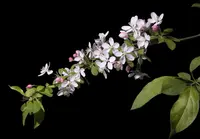
The tree is believed to have originated from hybridization of Asian crabapple species and is now widely planted in temperate landscapes and streetscapes. Flowers range from soft pink to deep rose, followed by small decorative crabapples that persist into fall and early winter.

It is considered relatively easy to grow, as it adapts to many garden soils and tolerates urban conditions when given enough sun and air circulation. Understanding how to care for Japanese Crabapple mainly involves providing full light, even moisture, and well-drained soil.

Main Plant Requirements

Care Difficulty

Moderate Care

Light Preference

Full Sun

Water Requirements

Moderate Water

Temperature Preference

Cold Hardy

Hardiness Zone

4–8

Soil Texture

Loamy, Sandy, Clay

Soil pH

Acidic (5.5–6.5), Slightly acidic (6.5–7.0)

Soil Drainage

Moist but well-drained

Fertilization

Minimal (feed rarely)

Get Personalized Care Plan

Scan your plant to receive care tips personalized for your specific plant

Available on iOS and Android

How to Care for the Japanese Crabapple

Malus × floribunda performs best in a bright outdoor position with ample direct sun.

  • Provide 6–8 hours of direct sun daily; morning sun with light afternoon shade reduces leaf scorch in hot summer regions.
  • The tree tolerates light partial shade (around 3–4 hours of sun), but Japanese Crabapple flowers more heavily in full sun.
  • Avoid dense shade, which leads to sparse blooms and weak growth; in hotter climates, protect from intense late-afternoon sun, especially on young trees.

Malus × floribunda prefers consistently moist but not waterlogged soil, especially while young.

  • Allow the top 3–5 cm of soil to dry between waterings, then water deeply so moisture reaches the root zone rather than just the surface.
  • During the first 2–3 growing seasons, monitor weekly; increase watering during hot, dry spells and reduce it in cool, rainy periods.
  • Ensure well-drained soil to prevent standing water; yellowing leaves and soft, dark roots suggest overwatering, while wilting and dry, brittle twigs indicate underwatering.

This crabapple is a hardy outdoor tree that thrives in temperate climates with cold winters and warm summers.

  • Active growth and flowering are strongest in spring where average temperatures range around 55–75°F (13–24°C).
  • The tree typically withstands winter lows near -20°F (-29°C) once established, but young plants benefit from mulch to protect roots from deep freezing.
  • Heat tolerance is moderate; in extended periods above 90°F (32°C), provide extra water and avoid reflective heat traps to limit stress and leaf scorch.

Humidity is rarely limiting for Malus × floribunda, which adapts well to typical outdoor conditions.

  • Performs well in 35–60% humidity commonly found in temperate outdoor climates.
  • Tolerates dry air if soil moisture is consistent, but prolonged hot, dry winds can crisp leaf edges.
  • Humidity stress shows as marginal leaf scorch or premature leaf drop, reduced by mulching and regular deep watering.

Malus × floribunda grows best in deep, moisture-retentive yet free-draining mineral soils.

  • Use a loamy soil with moderate organic matter, such as a mix of garden loam with 20–30% compost.
  • Ensure drainage by avoiding heavy, compacted clay; incorporate coarse sand or fine gravel if water lingers after rain.
  • Aim for slightly acidic to neutral pH, around 6.0–7.2, which supports nutrient availability and root health.
  • Avoid waterlogged, saline, or extremely shallow soils, and maintain surface mulch to protect soil structure and aeration.

This species can be grown in containers for several years, but it remains a small tree rather than a long-term patio shrub.

  • Choose a heavy, stable container (e.g., thick-walled terracotta or concrete) to resist tipping from wind and top growth.
  • Select a pot at least 45–60 cm wide and deep so the structural roots can anchor and support canopy development.
  • Use a gritty loam-based mix so water moves through quickly, preventing saturated conditions that promote root and collar rot.

Malus × floribunda benefits from modest, targeted feeding to support flowering and steady growth.

  • Apply a balanced slow-release fertilizer (around 10-10-10) once in early spring as new growth starts.
  • On poorer soils, supplement with a thin layer of well-rotted compost over the root zone each spring.
  • During the growing season, avoid additional high-nitrogen feeds that encourage soft, disease-prone growth.
  • Do not fertilize in late summer or winter to prevent tender growth that may be damaged by cold.

Pruning Malus × floribunda helps maintain a healthy structure and good flowering.

  • Carry out main pruning in late winter to very early spring, before bud break.
  • Remove dead, diseased, crossing, or inward-growing branches using clean, sharp bypass pruners or a pruning saw.
  • Thin congested interior shoots to improve air flow and light, which supports flowering and reduces disease risk.
  • Lightly shape the canopy by shortening overly long shoots back to outward-facing buds.

Japanese Crabapple is usually grown in the ground, so focus on careful transplanting rather than frequent repotting.

  • Transplant young trees in late fall or early spring when dormant, ideally before buds swell.
  • Look for signs such as circling roots or very slow growth if the plant has been container-grown.
  • Dig a wide planting hole, loosen any circling roots, and set the tree at the same soil level as in the pot.
  • Water thoroughly after planting and keep soil evenly moist for the first growing season to reduce transplant stress.

Propagation of Malus × floribunda is possible but usually done by specialists to maintain cultivar traits.

  • Use semi-hardwood cuttings in mid to late summer, placed in a free-draining medium under high humidity and bright, indirect light.
  • Apply rooting hormone to the cut base and keep the medium just moist, not wet, to reduce rot.
  • Sow seeds in fall after cold stratification, understanding that seedlings may not match the parent tree.

This crabapple is generally cold hardy and needs only modest winter care in most temperate climates.

  • In late fall, apply a 5–8 cm layer of mulch around the root zone, keeping it clear of the trunk.
  • Young or newly planted trees benefit from trunk wraps or guards to reduce sunscald and rodent damage.
  • For container-grown specimens, move pots into a sheltered, unheated area and insulate containers to prevent root freeze.

Care Tips

Graft Union Check

Plant with the graft union 5–8 cm above the final soil line and inspect it yearly for suckers, removing any shoots from below the graft to keep the desired cultivar traits strong.

Blossom Thinning

On very young or weak trees, remove about half of the developing flower clusters by hand in early spring to reduce stress and help the tree put more energy into root and branch establishment.

Preventing Apple Scab

Rake and remove all fallen leaves and fruit in autumn and avoid overhead watering onto foliage to reduce overwintering spores and lower the risk of apple scab infections.

Canopy Airflow Shaping

During late winter, selectively thin small interior branches that cross or crowd each other to open the canopy for better light penetration and faster drying after rain, which helps limit fungal problems when caring for Japanese Crabapple.

Trunk And Root Protection

Use a breathable plastic trunk guard and a 5–8 cm deep mulch ring kept 5–10 cm away from the bark to prevent mower damage, sunscald, and soil compaction around the root zone.

Common Pests and Diseases

Apple scab

This disease causes olive-green to dark brown, velvety spots on leaves and young fruit, leading to defoliation and deformed fruits in humid conditions.

Solution

Remove and dispose of fallen leaves and infected fruit to reduce spores, then improve air circulation by thinning crowded branches; in areas with a history of apple scab, apply a preventative fungicide labeled for crabapples at bud break and repeat as directed during wet spring weather as part of broader Malus × floribunda care instructions.

Cedar-apple rust

This disease produces bright yellow to orange leaf spots and can cause premature leaf drop when nearby junipers or red cedars host the other half of its life cycle.

Solution

Prune out and discard infected leaves and small twigs, remove or distance nearby juniper hosts if practical, and use a suitable rust-control fungicide in early spring from pink bud through petal fall when rust pressure is known to be high.

Fire blight

This disease leads to blackened, wilted shoots and blossoms that appear scorched, often bending into a characteristic shepherd’s crook shape.

Solution

Prune out infected shoots at least 20–30 cm below visible symptoms during dry weather, disinfecting pruning tools between cuts, and avoid high-nitrogen fertilization or heavy pruning in spring, which encourages susceptible new growth; in high-risk areas, consult local guidance on the careful, timed use of appropriate bactericides during bloom.

Aphids

These insects cluster on young shoots and leaf undersides, sucking sap and causing curled, distorted leaves and sticky honeydew that can attract sooty mold.

Solution

Spray colonies off with a firm stream of water, encourage natural predators like lady beetles, and if needed apply insecticidal soap or horticultural oil thoroughly to new growth, repeating as label directions indicate until populations are reduced.

Japanese beetles

These insects skeletonize leaves by feeding between the veins and may also damage blossoms, often appearing in large groups in mid-summer.

Solution

Hand-pick beetles in the early morning into soapy water, use fine mesh netting over small specimen trees during peak flight where practical, and consider timing of approved foliar insecticides to protect foliage and flowers when beetle pressure is consistently high.

Interesting Facts

Hybrid origin history

This crabapple is a garden-origin hybrid, believed to have arisen in Japan from crosses among Asian Malus species, and was introduced to Western horticulture in the late 19th century for its exceptional ornamental value.

Exceptional flower display

It is noted for producing very dense clusters of pink to white blossoms along the entire length of its branches, creating an almost continuous sheet of color in spring that has made it a standard parent in breeding showy ornamental crabapples.

Important disease-resistance parent

This species has been widely used in apple and crabapple breeding programs as a source of resistance genes to apple scab and other diseases, helping improve the health and durability of many modern ornamental crabapple cultivars.

Botan icon

Did you know?

Japanese plant breeders used this hybrid extensively as breeding material long before it became common in Europe and North America, so many modern ornamental crabapples around the world carry genetic contributions from this single historical garden hybrid, even when their appearance is quite different from the original plant.

FAQs about Japanese Crabapple

Growth is moderate. Young trees typically add 20–30 cm per year in height under good conditions, sometimes up to 45 cm. Growth slows as the canopy fills out and the tree nears its mature size.

Grow Healthy Plants with Botan Care

Keep your plants happy and healthy with plant identification, disease detection, and easy care guidance.

Botan plant care app — identify plants on mobile

Explore More Plants